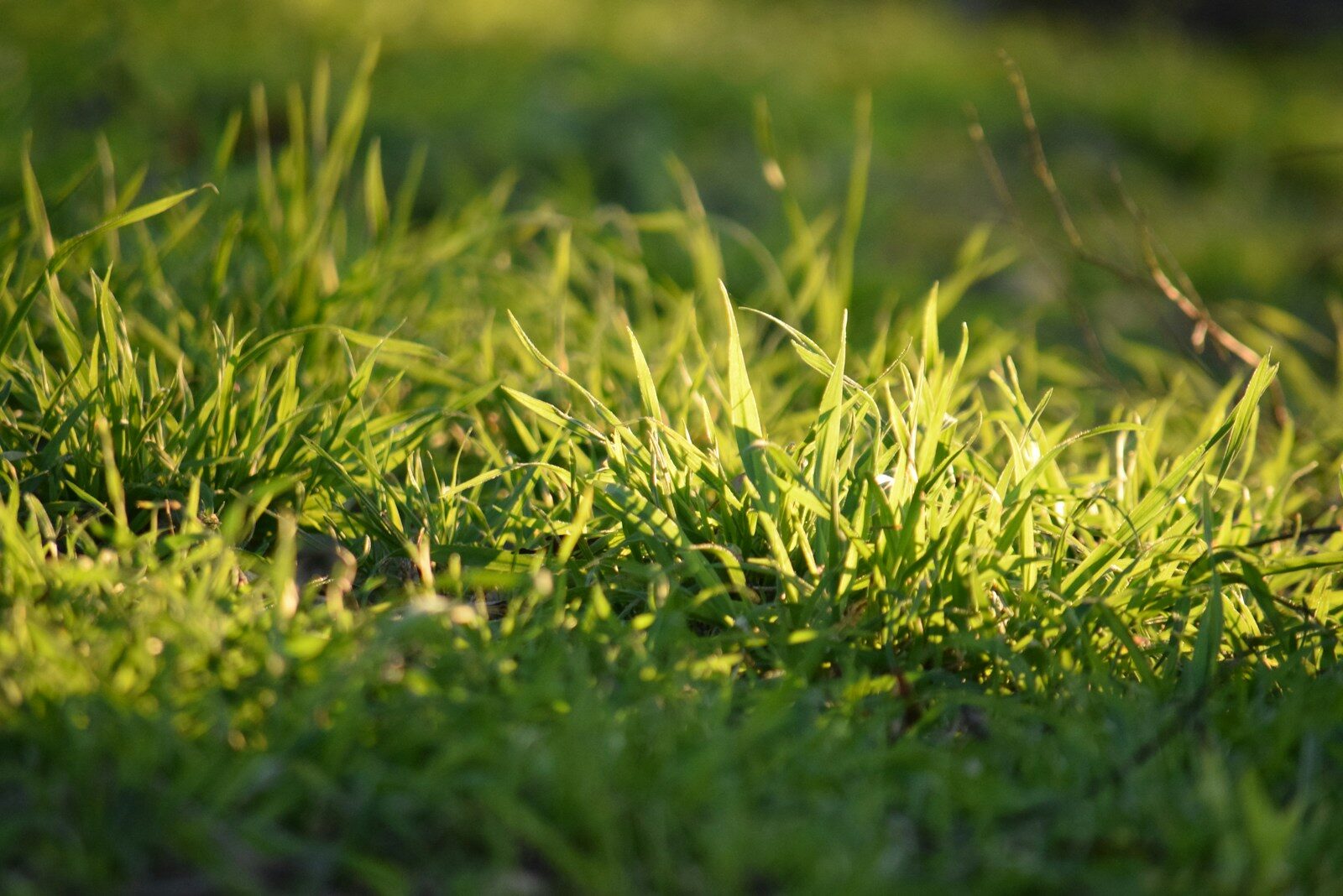
How to Keep Grass Out of a Garden
Remove roots, add a visible edge, mulch bare soil, and inspect often to keep lawn grass from taking over garden beds.
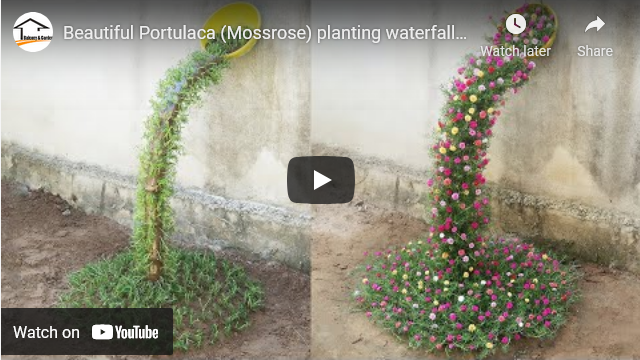
How to Make a Portulaca Waterfall Planter for Bright Summer Color
Portulaca is almost made for a waterfall planter. These low-growing flowers spread over the edges of pots, bloom in bright colors, and handle heat better than many common annuals. Stack or stagger a few containers, plant portulaca near the rims, and the flowers can look as if they’re pouring from one pot into the next.…
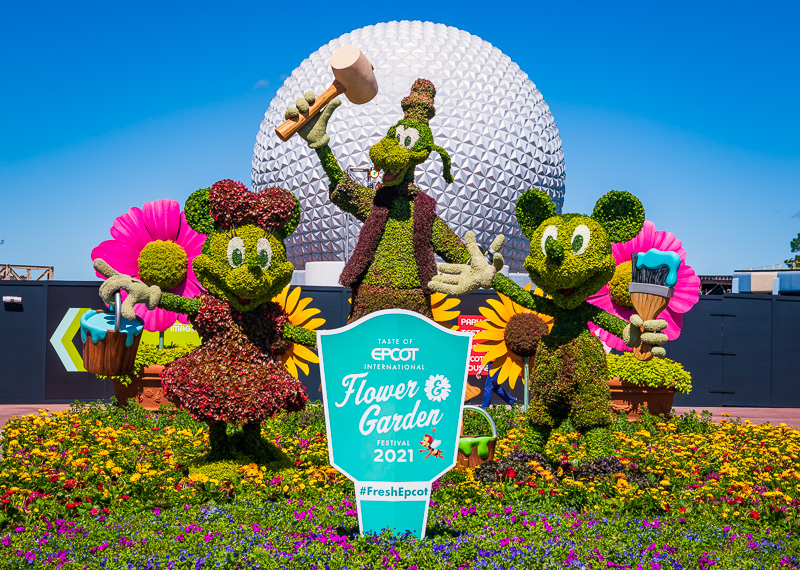
EPCOT Flower & Garden Festival: A Guide to Disney World’s Spring Celebration
The EPCOT International Flower & Garden Festival turns one of Walt Disney World’s most colorful parks into an even bigger garden. For several weeks each spring, EPCOT fills with Disney character topiaries, flower beds, themed gardens, outdoor food booths, activities for kids, and live concerts. It’s included with regular EPCOT admission, so you don’t need…
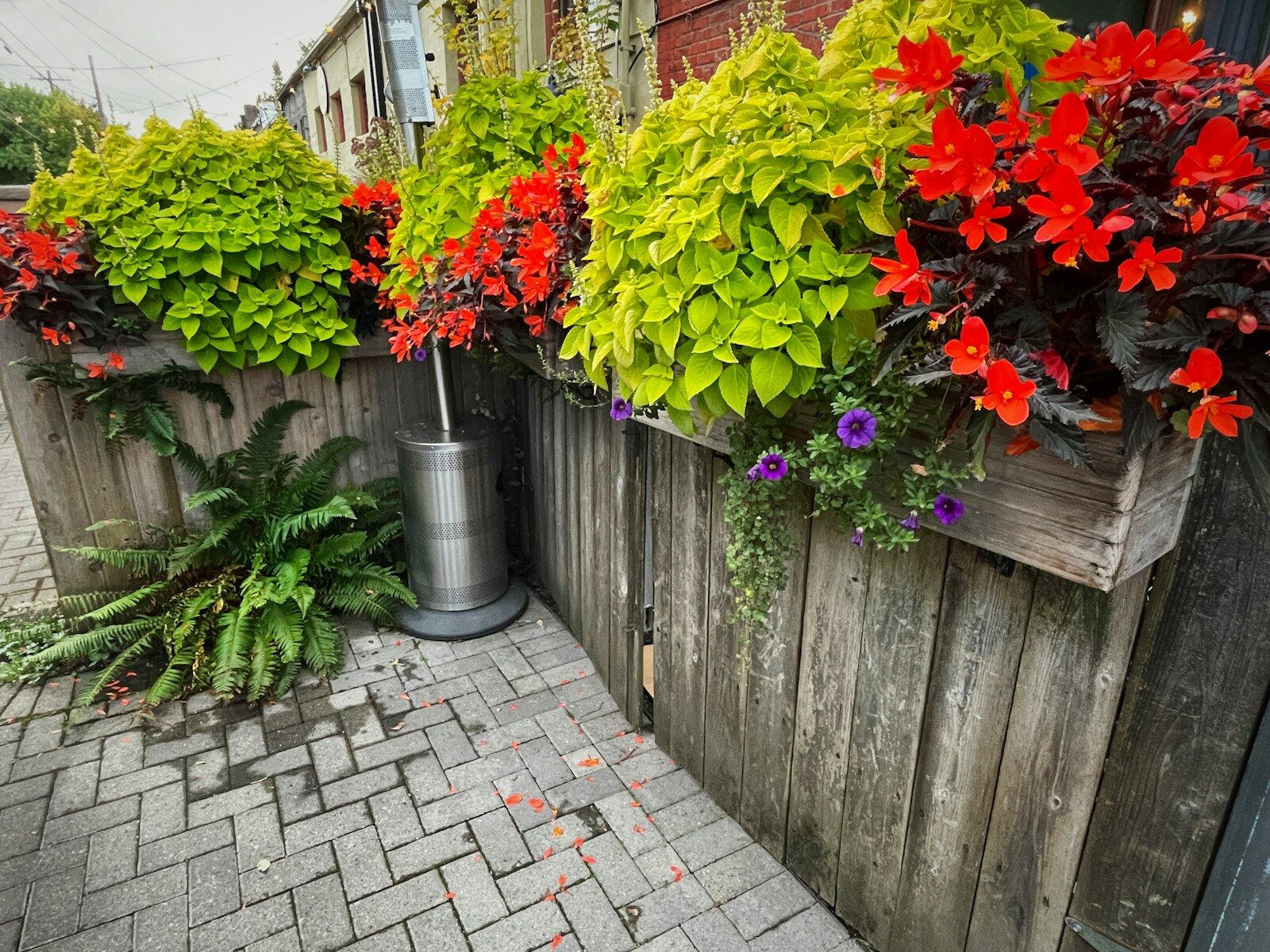
How to Build Garden Boxes
Garden boxes make growing food feel easier. They give us a clean space to plant. They help with weeds. They make poor soil less of a problem. And they can make the whole yard look more put together. A garden box is often called a raised bed. It is usually a frame that sits on…
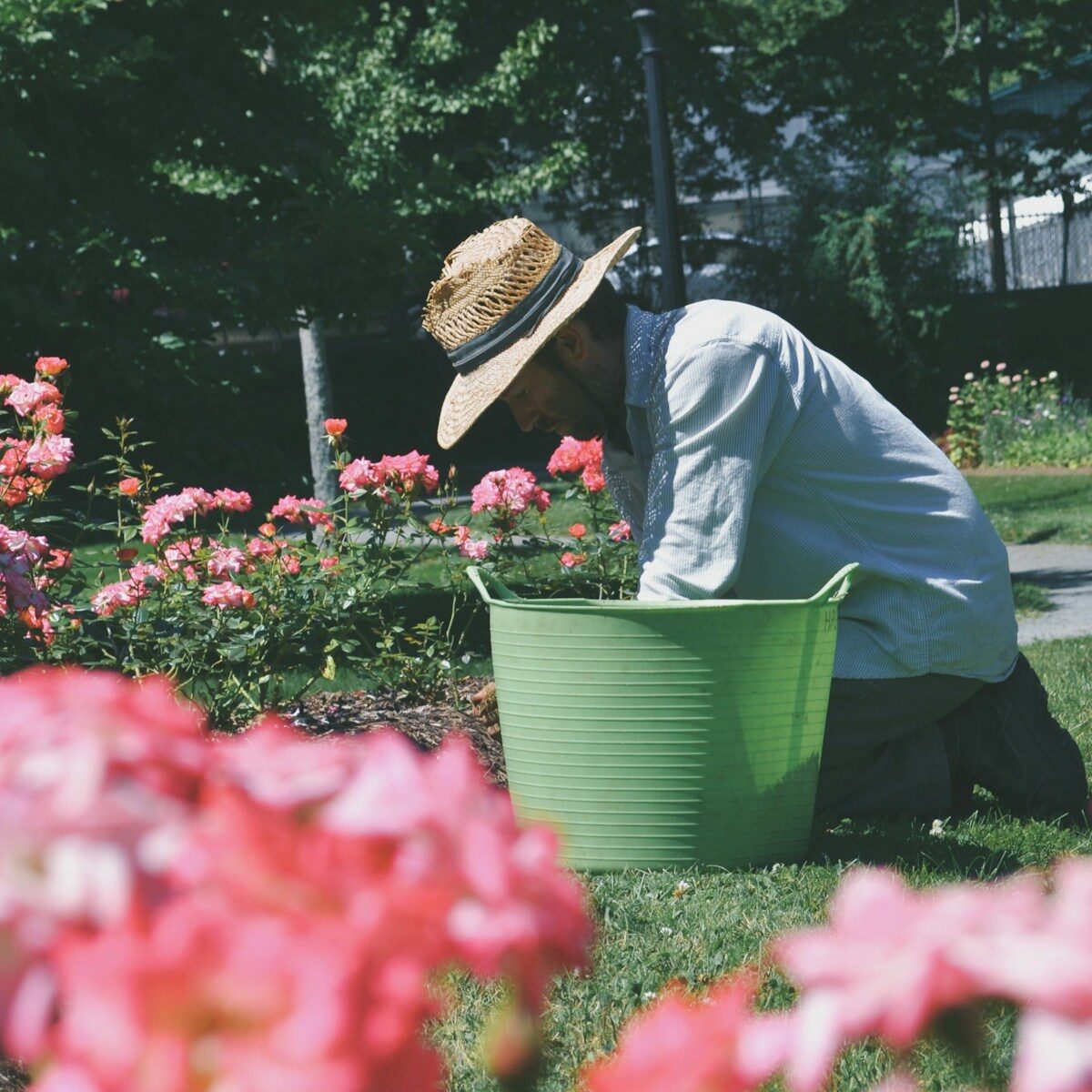
How To Make A Flower Garden
A flower garden does not have to be fancy. It can be a small bed by the porch. It can be a strip along a fence. It can be a few pots near the door. It can also be a big border full of color, bees, butterflies, and cut flowers. The best flower garden is…
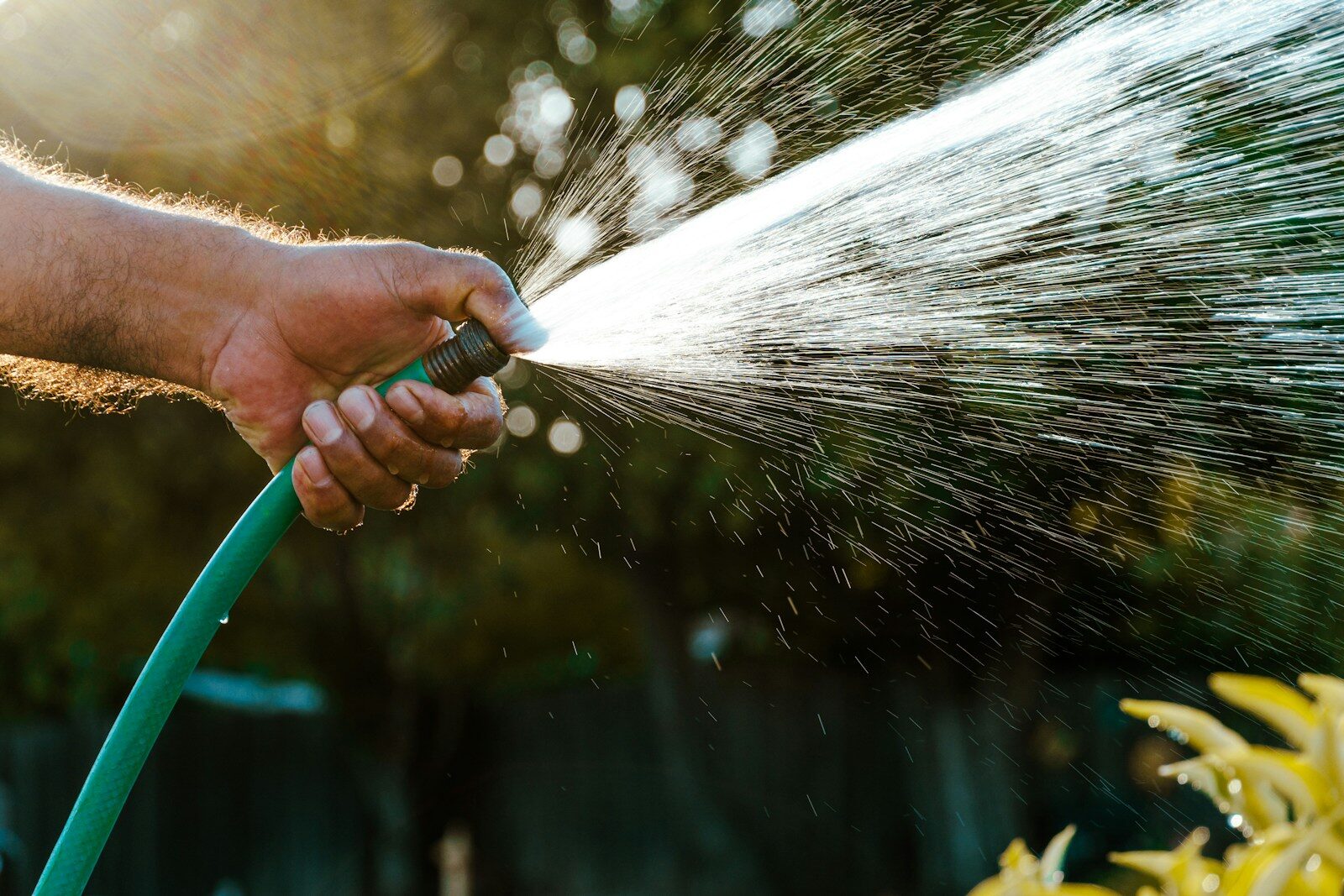
What Size Is A Garden Hose Fitting?
A garden hose fitting looks small. But when it leaks, sprays, cross-threads, or will not connect, it can ruin a simple yard job fast. So let’s make this easy. In the United States, the standard garden hose fitting is usually 3/4-inch GHT, which means Garden Hose Thread. You may also see it called 3/4-inch NH,…
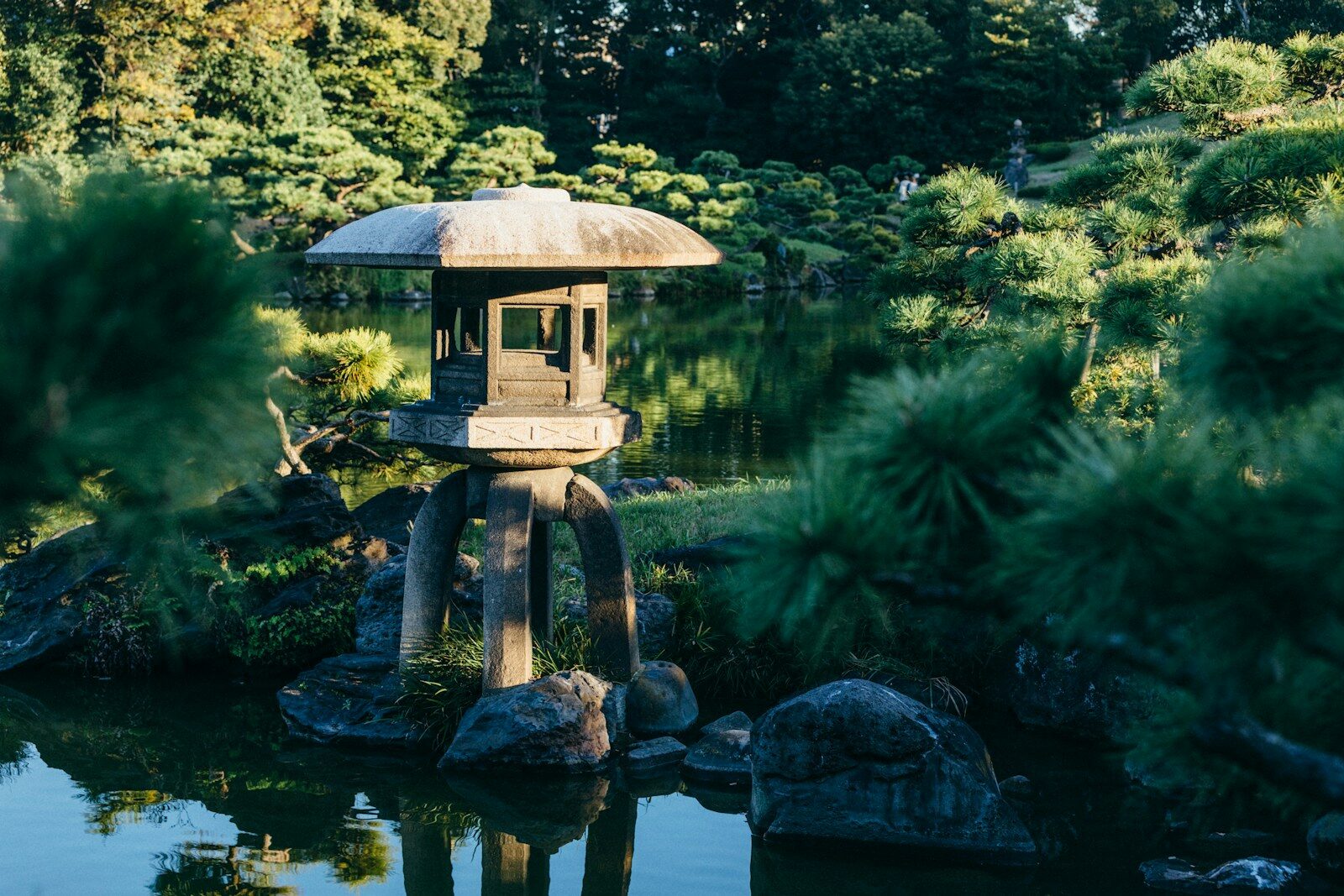
How To Make A Japanese Garden
A Japanese garden is not just a garden with a lantern and a maple tree. It is a quiet space built with care. It uses rocks, plants, paths, water, gravel, moss, and open space to help us slow down. The goal is not to fill every corner. The goal is to create peace. That is…
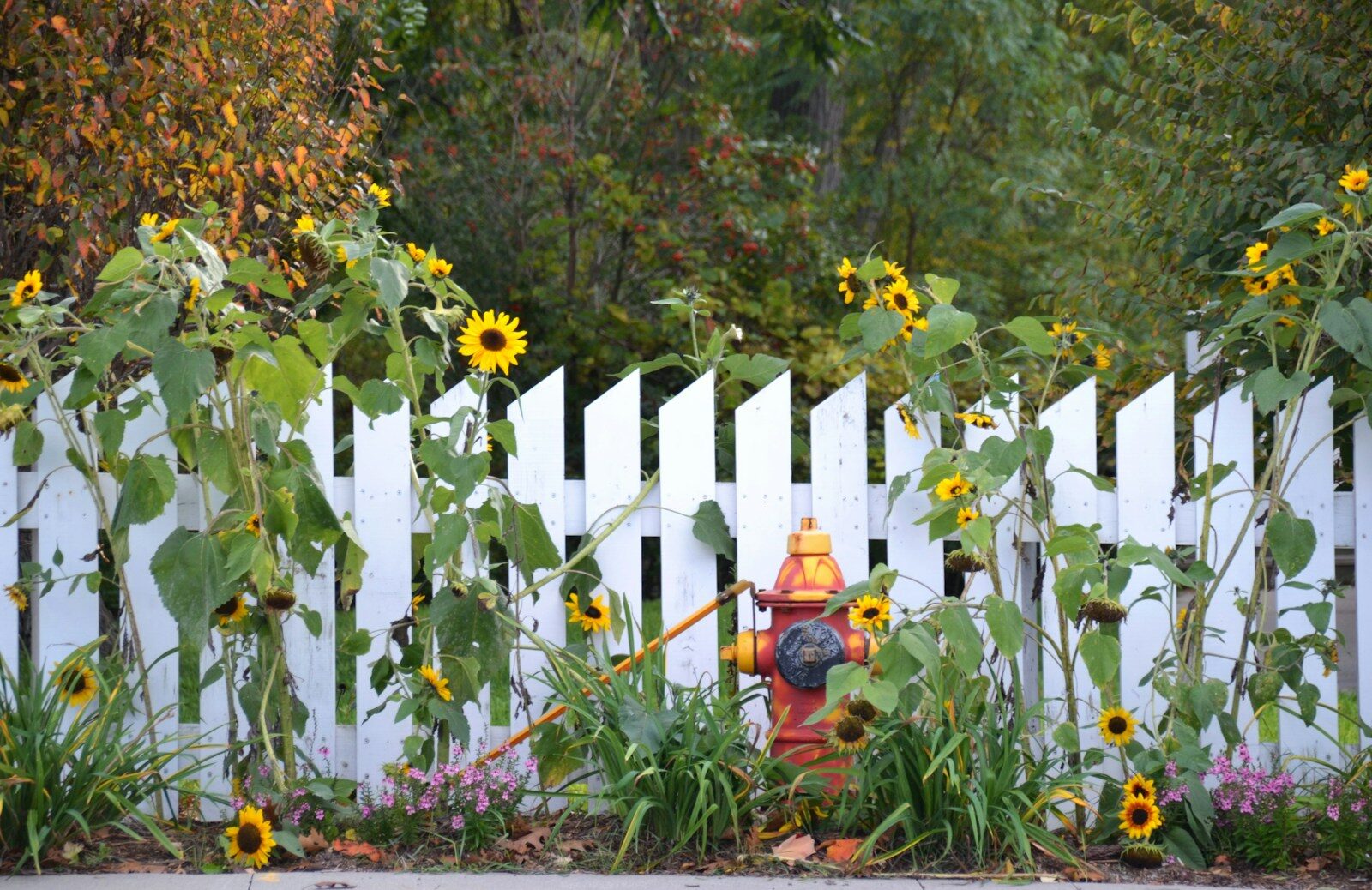
How To Build A Garden Fence To Keep Animals Out
A garden fence sounds simple until the first rabbit squeezes under it or a deer jumps over it like it was not even there. That is the lesson most of us learn the hard way. A fence is only as good as the animal it is built to stop. So before we buy posts and…
How To Get Rid Of Ants In A Vegetable Garden
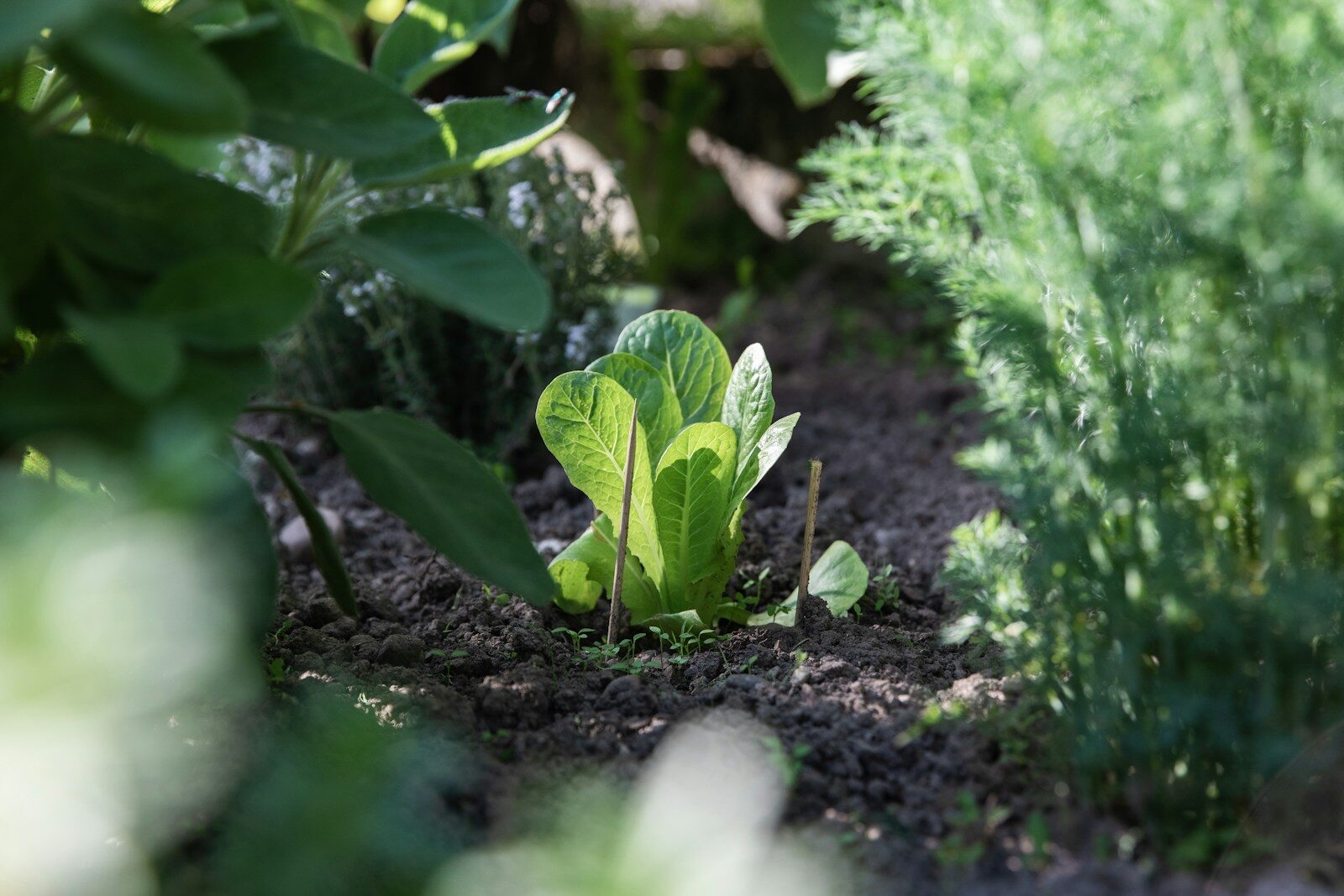
Ants in a vegetable garden can make us nervous fast. We see them running up bean vines, crawling over tomato stems, or building mounds near lettuce, and it feels like something is wrong. Here is the good news. Most ants do not eat our vegetables. Many ants help break down organic matter. Some even loosen…
How To Remove Grass For A Garden Without Making A Bigger Mess
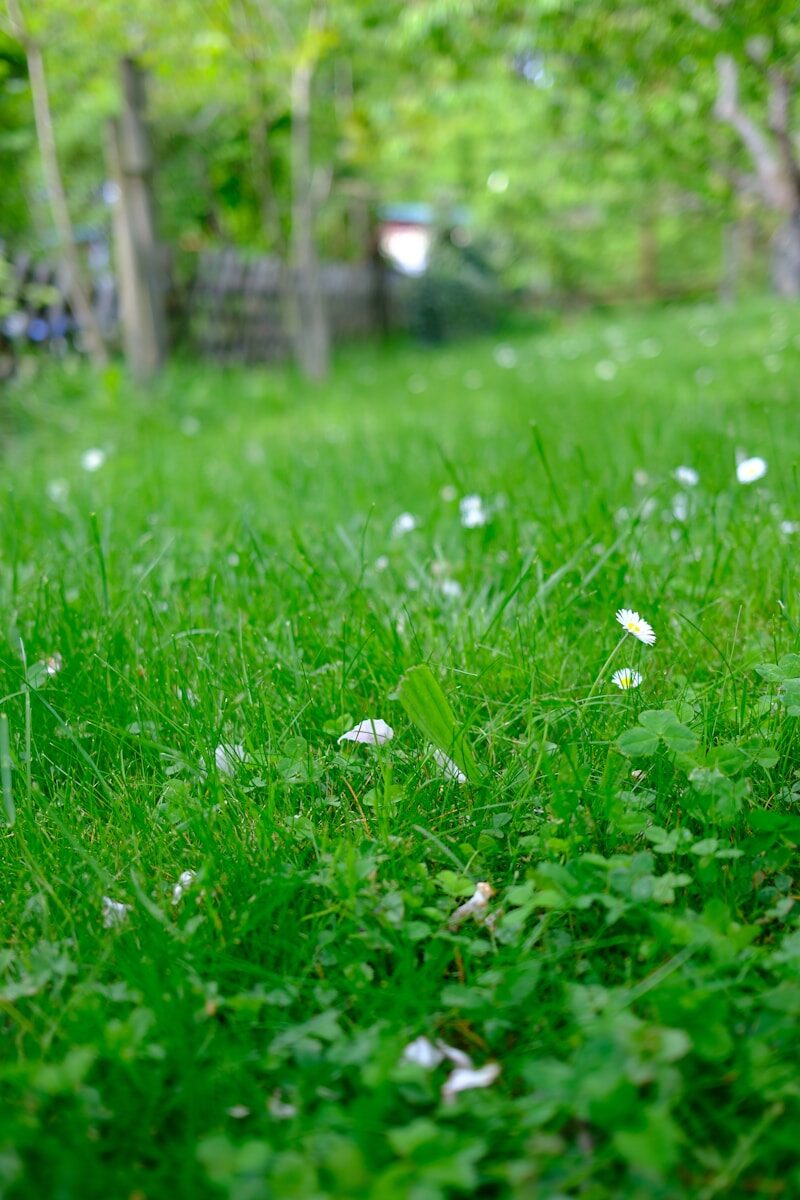
Turning grass into a garden bed sounds simple. We see a patch of lawn and think, “That would be a great spot for tomatoes.” Then reality shows up. Grass has roots. Some types spread by runners. Some come back after tilling. Some hide under mulch and wait. If we rush, we may spend the whole…