How to Increase HDL Cholesterol With Indian Food (Simple, Tasty, Real-Life)
HDL is often called the “good” cholesterol. It helps carry extra cholesterol away from your blood vessels and back to your liver. In other words, it is part of your body’s clean-up team.
But here is the honest part. Food alone rarely boosts HDL by a lot. The bigger wins usually come from a few habits working together: the right fats, more fiber, steady movement, better sleep, and no tobacco.
The good news is that Indian food can fit this plan really well. We already cook with spices, dal, vegetables, and whole grains. A Taste of Lincolnshire: Sleaford’s Best Local Eats & Treats. We just need a few smart swaps and steady routines.
Start with the fats that help HDL
If you want better HDL, the type of fat matters more than the amount.
Many health groups support replacing saturated fat with unsaturated fat. Unsaturated fats can support healthier cholesterol patterns. That includes HDL.
Best “HDL-friendly” fats you can use in Indian cooking
Mustard oil (sarson ka tel)
It is rich in unsaturated fats. Use it when it suits your cuisine style and local food safety rules.
Olive oil (extra virgin, when possible)
Great for light sauté, salad-style koshimbir, or drizzling on roasted veggies.
Groundnut (peanut) oil
Works well for Indian cooking and has a good fat profile.
Nuts and seeds
They bring healthy fats plus fiber. That combo helps the whole cholesterol picture.
Keep saturated fat small, not “zero”
Indian kitchens often use ghee, butter, cream, and coconut.
You do not have to ban them. But keep them as a small accent, not the base.
A simple rule that works:
- Use mustard/olive/groundnut oil for most cooking.
- Use ghee in small amounts for flavor, not for deep cooking.
Add nuts and seeds the Indian way
Nuts and seeds are easy “HDL helpers” because they bring unsaturated fat and plant compounds. Many studies show nuts can improve blood lipids overall.
Easy daily add-ons (no fancy recipes)
- 1 small handful of almonds or walnuts
- 1 tablespoon ground flaxseed (alsi)
- 1 tablespoon chia seeds (sabja)
- 1–2 tablespoons roasted peanuts or chana
How to use them in Indian meals
- Flaxseed powder in curd, dal, or oats porridge
- Chia in buttermilk, lassi, or overnight oats
- Walnuts in salads, poha, or as a snack
- Roasted peanuts in upma, bhel-style sprouts, or chutney
Small steps matter. Consistency matters more.
Make dal, chana, and rajma your daily “base”
If there is one Indian food group that supports heart health in a big way, it is legumes.
Dal and beans are high in fiber and plant protein. 8 Delicious Summer Picnic Foods to Make This Season. Fiber supports healthier cholesterol levels overall. And when you eat more dal, you often eat less refined flour and fried foods.
Smart choices
- Moong dal, masoor dal, toor dal
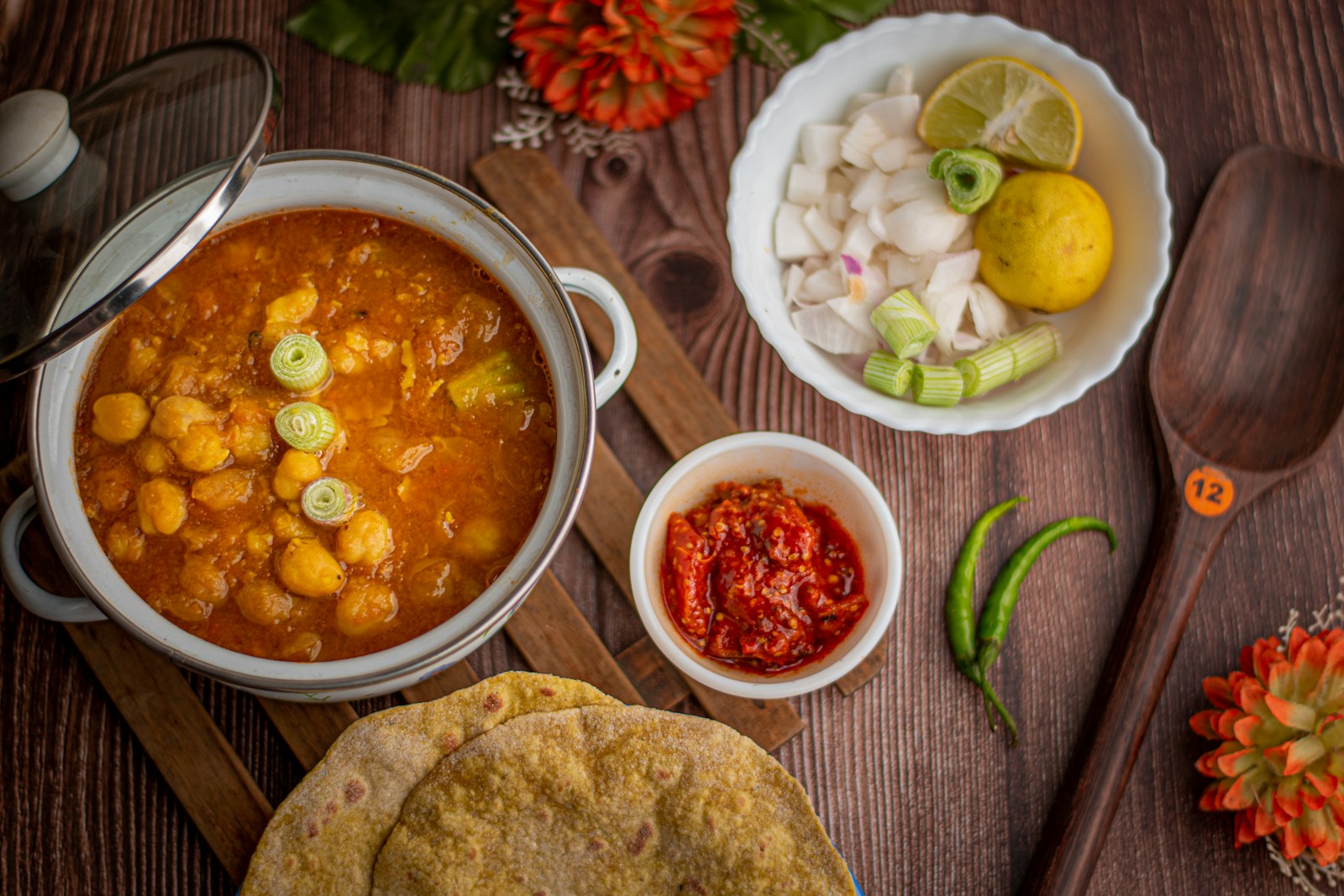
- Chana (chole), rajma, lobia
- Whole urad (great for slow-cooked dal, not deep-fried snacks)
Cooking tips that keep it heart-friendly
- Temper with less oil and more flavor from spices
- Add tomato, garlic, and ginger for depth
- Stir in palak, methi, lauki, or pumpkin for extra fiber
- Choose pressure cooked or simmered more often than creamy restaurant-style versions
Switch to whole grains that work in Indian meals
Whole grains do not “raise HDL” like a magic button. But they help your overall cholesterol balance and weight control. That supports HDL over time.
Indian whole grains to lean on
- Oats (yes, it counts)
- Ragi (finger millet)
- Bajra (pearl millet)
- Jowar (sorghum)
- Brown rice (or parboiled rice, in some regions)
Easy swaps
- White bread → oats chilla or millet roti
- Maida naan → whole wheat roti or jowar bhakri
- Large white rice portion → smaller rice + bigger dal + bigger sabzi
This is not about perfection. It is about nudging the plate in a better direction.
Use spices that support a heart-healthy pattern
Spices do not replace medicine. But they can help you cook tasty food with less salt, less sugar, and less heavy fat. That helps your heart in a practical way.
Great daily options
- Garlic
- Turmeric
- Methi (fenugreek)
- Jeera, dhania, black pepper
- Cinnamon (especially if you watch blood sugar)
Easy ways to use methi
- Add methi leaves to dal, aloo, or paratha dough (with less oil)
- Soak methi seeds and add a small amount to sabzi or dal tadka
The goal is simple: big flavor without heavy fat.
Eat more vegetables the way we already know
Vegetables help because they bring fiber, volume, and antioxidants. They make it easier to eat fewer refined carbs and fewer fried items. GEVI 12-Cup Programmable Drip Coffee Maker DCMA0: The Family Pot That Still Feels Personal.
Indian vegetables that fit well
- Bhindi (okra)
- Baingan
- Lauki, tinda, torai
- Palak, methi, sarson
- Cabbage, beans, carrots
- Tomato, onion, capsicum
Cooking methods that help
- Stir-fry with less oil
- Roast or air-fry for crisp texture
- Steam and finish with tadka
Deep-frying once in a while is normal life. But daily frying makes HDL goals harder.
Choose proteins that support better HDL
Protein choices shape your fats, your fullness, and your triglycerides.
Helpful choices in an Indian diet
- Dal and beans
- Tofu, soy chunks (in balanced amounts)
- Eggs (if they fit your plan)
- Fish like sardines and mackerel (if you eat fish)
Fatty fish brings omega-3 fats, which support heart health. It may not skyrocket HDL, but it supports a healthier lipid pattern.
Keep “heavy” protein dishes occasional
- Creamy paneer gravies
- Deep-fried starters
- Processed meats
Instead of “never,” think “sometimes.”
A simple Indian day of eating that supports HDL
This is not a strict plan. It is a structure you can copy.
Breakfast
- Oats upma with veggies + 1 tablespoon flaxseed
or - Moong dal chilla + mint chutney + curd
Mid-morning
- 1 fruit (guava, apple, orange)
- A handful of nuts (almonds/walnuts)
Lunch
- Dal (any) + mixed sabzi + roti (whole wheat or millet)
- Salad with lemon, cucumber, onion
Evening snack
- Roasted chana or sprouts chaat
- Unsweetened chai or buttermilk
Dinner
- Rajma or chole (less oil) + small portion brown rice
or - Palak tofu + roti + veggie soup
Sweet cravings
- Fruit + curd
- Small portion of homemade kheer made lighter, less often
This kind of day supports HDL habits without feeling like diet food.
The lifestyle move that boosts HDL the most
100 Cool Tools To Take Your Workflow To The Next Level. Food helps. But activity often helps more.
Many heart health guides highlight that smoking lowers HDL. They also highlight the value of regular physical activity.
Simple movement counts:
- Brisk walking
- Cycling
- Dancing at home
- Strength training with light weights or body weight
A steady routine can raise HDL more than any single “superfood.” That is the truth most people forget.
Common Indian food traps that keep HDL low
These are very normal. They are also fixable.
Too many refined carbs
White rice mountains. Maida snacks. Sugary tea. Biscuits.
Refined carbs can push triglycerides up. That can drag HDL down.
“Healthy” snacks that are still fried
Chakli, bhujia, pakora, samosa.
Instead:
- Roast, air-fry, steam, grill
- Keep fried snacks as occasional treats
Too much alcohol
Some people think alcohol “raises HDL.” It can, but it also brings risks and extra calories. It is not a safe HDL strategy for most people.
Small habits that make the Indian plate work for HDL
These are easy to remember:
- Cook with mostly unsaturated oils
- Add nuts or seeds daily
- Make dal or beans a daily anchor
- Choose whole grains most days
- Eat more vegetables than rice/roti
- Move your body often
- Avoid tobacco
This is how Indian food becomes a strong heart plan, not just a comfort meal.
HDL is often called the “good” cholesterol. It helps carry extra cholesterol away from your blood vessels and back to your liver. In other words, it is part of your body’s clean-up team. But here is the honest part. Food alone rarely boosts HDL by a lot. The bigger wins usually come from a few…
HDL is often called the “good” cholesterol. It helps carry extra cholesterol away from your blood vessels and back to your liver. In other words, it is part of your body’s clean-up team. But here is the honest part. Food alone rarely boosts HDL by a lot. The bigger wins usually come from a few…