Agave In America: From Tough Desert Plant To Sweetener And Spirit
Agave sits at a crossroads of a lot of things we care about in the United States right now.
It is a dramatic landscape plant.
It is the base of tequila and mezcal.
It is also the source of that pale gold “healthy” syrup on grocery shelves.
Same plant family. Very different stories.
In the Southwest you see agaves as blue-green rosettes holding their ground in heat and dust. In a tequila bar you meet them as a smooth pour over ice. In the nutrition aisle you see them as vegan liquid sugar. Learning how all of those pieces fit together helps us make better choices in our yards, in our glasses, and in our kitchens.
Meet Agave: A Slow, Patient Succulent
Agave is a genus of spiny succulents native mainly to Mexico and the arid parts of the Americas. Most species grow as low rosettes of thick, pointed leaves. The leaves store water and let the plant ride out long stretches of drought.
Many agaves follow a dramatic life cycle. They grow for years, sometimes a decade or more, without flowering. Then they send up a huge stalk, covered in yellowish blooms, set seed or pups, and the mother rosette dies. Because of that slow schedule, Viola White Jump-up people started calling some species “century plants,” even though they do not really wait a hundred years.
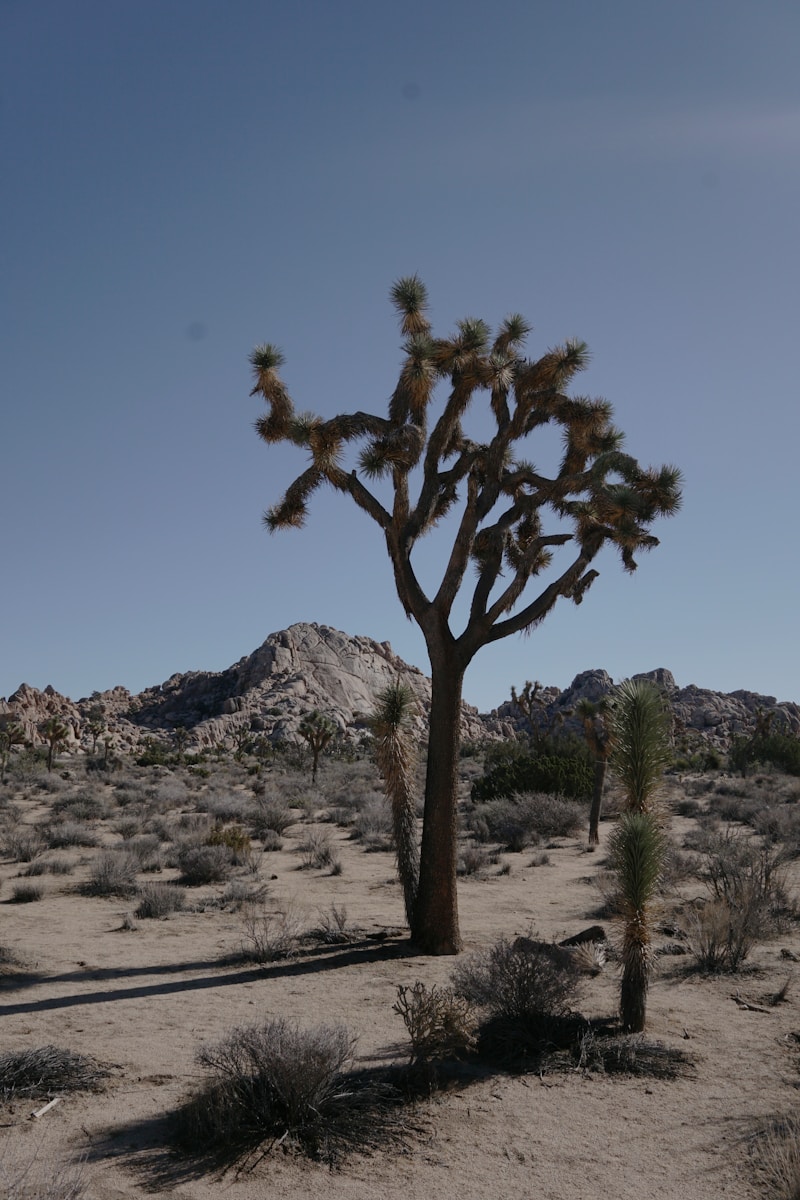
In the wild, agaves live from sea level scrub to high desert plateaus. They share that space with yucca and other tough plants that know how to keep going on almost no rainfall. For Indigenous communities across the Southwest and Mexico, agave was more than a background plant. It was a source of food, fiber, drink, soap, and medicine. Leaves and stalks became cordage and tools. Cooked hearts and sap became calories and ceremony.
Today, agave still holds that deep cultural weight in Mexico. At the same time, it has become a global crop, shaped by export markets and wellness trends.
Agave As A Landscape Plant In The U.S.
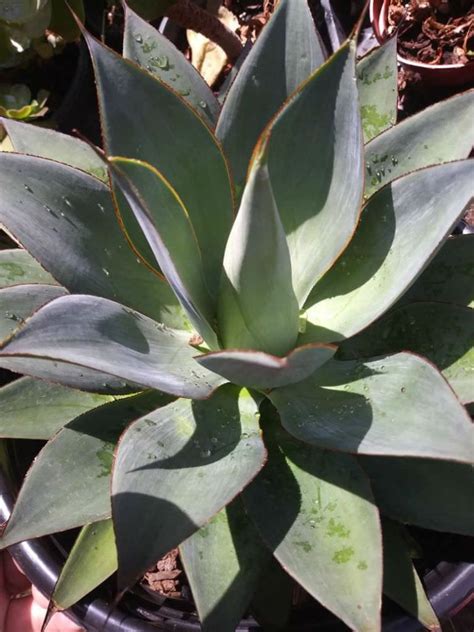
If you live in a hot, dry part of the country, you already see agave in parking lots, highway medians, and xeriscape yards. The big classic is Agave americana, often called century plant. It forms a huge rosette of blue-gray leaves with sharp tips and teeth along the edges. Once established, it shrugs off heat and survives on minimal additional water.
Most common hardy agaves grow best in USDA Zones 8 through 11. Some well-sited plants even push into warmer parts of Zone 7, especially with gravelly soil and winter drainage. They like full sun, sharp drainage, and lean, sandy or rocky soil. Heavy clay and constant moisture cause rot. If you garden in a colder or wetter region, you can still enjoy agaves in large containers that winter in a bright, cool, dry spot.
In design, an agave is a living sculpture. One plant can anchor a whole bed. The rosette shape looks good against stone, gravel, or low groundcovers. Because of the spines, agaves need a little space away from walkways and play areas, especially around kids and pets. Many gardeners in the U.S. now use them as part of firewise plantings and drought-tolerant front yards.
For growers and landowners in dry parts of California and the Southwest, agave is also being tested as a new field crop on marginal, low-water land. Trials in California’s Central Valley point to agave as a possible rotation or replacement where almonds or other thirsty crops are no longer practical.
From Blue Agave Fields To Tequila And Mezcal
For many of us, the word “agave” shows up first on a tequila label. Tequila is legally tied to one species: Agave tequilana, blue variety, often called Blue Weber agave. Fields of these plants cover hillsides around the town of Tequila and other parts of western Mexico. The plants grow for about five to ten years before harvest.
When a plant is ready, skilled workers called jimadores slice away the long leaves with a blade called a coa. What remains is the core, or piña, which looks like a giant pineapple. These piñas are cooked to turn stored starches into sugars, then crushed to release juice. The juice is fermented, distilled, and sometimes aged in barrels to become the tequila styles U.S. drinkers know: blanco, reposado, añejo, and extra añejo.
Mezcal, which has its own rules and regions, can come from many agave species, often grown in different parts of Mexico and cooked in earthen pits for a smokier flavor. Both spirits pull their identity from the plant and from long craft traditions.
In recent years, the agave world has widened. Producers now experiment with agave-based vodkas, gins, liqueurs, and even “agave wine,” plus non-alcoholic spirits that mimic tequila’s flavor for low- or zero-proof cocktails. These new products show up on U.S. shelves alongside classic bottles, carried by the same wave of interest in agave flavor, story, and perceived purity.
At the same time, the boom has raised hard questions about transparency. Lawsuits in U.S. courts have accused major brands of mislabeling products as “100% agave” while allegedly blending in other alcohols. Companies deny the claims, Viola Yellow Jump-up and regulators in Mexico and the U.S. continue to debate how labels should communicate purity and additives.
For those of us choosing a bottle, that context matters. The plant sits at the center, but farming choices, production methods, and marketing all shape what ends up in the glass.
Agave Nectar: Sweet, Low-GI, And Complicated
Walk through any big American supermarket and you see squeeze bottles of agave nectar near honey and maple syrup. This sweetener often appears in recipes and health blogs as a natural, vegan alternative to sugar.
Agave syrup comes from the same kind of plant cores used in spirits. Producers process the sap or juice to break down fructan chains into simple sugars, then filter and reduce the liquid into a syrup. The result tastes mild and caramelly, mixes easily into drinks, and dissolves well in cold liquids.
One of the main selling points is glycemic index. Because agave syrup is high in fructose and lower in glucose, it has a much lower GI score than table sugar. That means it raises measured blood glucose more slowly in the short term. As a result, some people with diabetes or blood sugar concerns reach for it as a “better” option.
Here is the catch. High fructose content carries its own issues. Nutrition research and expert reviews note that diets heavy in added fructose, from any refined source, can stress the liver, raise triglycerides, and contribute over time to insulin resistance and other metabolic problems. Agave syrup often contains more fructose than high-fructose corn syrup. That low GI score can hide how dense it really is in that single type of sugar.
For most of us, the balanced view is simple. Agave nectar works fine as an occasional sweetener, especially when a recipe needs something liquid and neutral. It still counts as added sugar. It still benefits from the same rule as honey or cane sugar: small amounts, on purpose, inside an overall pattern built on whole foods.
Indigenous Roots And Everyday Uses
Long before any of us in the U.S. bought agave syrup or sipped a margarita, Native peoples across the Southwest and Mexico built whole systems around agave.
Archaeology and ethnobotany work show agave roasting pits, fiber processing sites, and ancient field systems from Texas to central Mexico. Roasted hearts provided concentrated calories that stored well. Sap and fermented drinks linked to ceremony. Fibers from leaves became cordage, textiles, nets, sandals, and thatch. Spines turned into needles, awls, and weapons.
Those uses continue today in many communities, even as industrial tequila and mezcal have come to dominate global stories about the plant. When we think about agave only as a trendy spirit base or health syrup, we flatten a much older relationship.
Bringing more of that history into U.S. conversations helps us respect the cultures that kept these plants alive, selected varieties, and built the knowledge that modern industries now draw from.
Agave As A Drought Tool And A Sustainability Puzzle
From a climate point of view, agave is both hopeful and thorny.
On the hopeful side, agaves use a form of photosynthesis (CAM) that lets them open stomata at night, reduce water loss, and thrive where other crops fail. Field trials and agricultural research in California highlight agave’s ability to grow on poor, dry soils with little or no irrigation once established. The plants can even act as living firebreaks and erosion control in dry landscapes.
Those traits make agave attractive as a climate-resilient crop. Farmers facing shrinking water supplies see it as one path to keep land productive without endless pumping. Land managers see it as a way to stabilize slopes and hold soil in harsh conditions.
On the thorny side, rapid expansion of tequila, mezcal, and agave syrup production has brought real strain. Reports focus on pressure to convert diverse landscapes into monoculture fields, heavy chemical use, and the impact on bats and other pollinators that rely on flowering agaves. Sustainability advocates also point to labor concerns, long plant maturity times, and the risk of disease in genetically uniform plantings.
As U.S. consumers, we sit inside that tension. When we choose a bottle of tequila or a favorite syrup, we help push demand in one direction or another. Labels that highlight organic growing, bat-friendly practices, or small-scale production are one way of supporting better systems, though claims always deserve a thoughtful look.
Growing Your Own Agave: Practical Notes
For home gardeners, agave is both low-maintenance and high-impact. A few habits help.
- Pick the right species and size. Some agaves stay compact. Others eventually sprawl wider than a car. A plant like Agave parryi fits small yards better than a giant century plant.
- Give it drainage. Raised beds, mounded soil, gravel, and containers keep roots dry enough. In cold, wet climates, containers that can move under cover make life much easier.
- Protect yourself. Spines and teeth on many species are sharp. Long sleeves, gloves, and eye protection matter the day you plant or divide pups.
- Be patient. Agaves are slow. They add leaves over years. That steady pace is part of their charm.
Over time, many plants send up offsets, often called pups or suckers. You can lift and replant these to start new clumps or share them. When a mature plant finally blooms and dies, those pups often step in to keep the clump going.
Everyday Ways We Touch Agave In The U.S.
Even if you never plant an agave, it still slips into daily life.
In the kitchen, you might:
- Use a drizzle of agave syrup in iced coffee, because it dissolves easily.
- Stir a little into a vinaigrette, barbecue sauce, or margarita mix.
- Taste it side by side with honey or maple syrup to notice how mild it is.
In the bar or dining room, you might:
- Choose a tequila made from 100% blue agave and enjoy it neat or in a simple cocktail.
- Try a mezcal or an agave-based non-alcoholic spirit when you want smoky, herbal notes without overdoing alcohol.
- Pay attention to where brands come from and what they say about farming, labor, and additives.
In the yard, you might:
- Swap a few thirsty shrubs for agaves and other desert plants to cut summer watering.
- Combine agaves with rocks, grasses, and wildflowers to build a low-maintenance front landscape.
Each small choice adds up. We meet the same plant at the garden center, at the grocery store, and on the cocktail menu. When we connect those dots, it becomes easier to act with intention instead of habit.
One Plant, Many American Paths
Agave carries a lot of weight for a single genus of slow-growing succulents. It anchors desert canyons and suburban parking lots. It holds memories and ceremony for Indigenous communities. It powers a global tequila and mezcal trade. It sweetens drinks in U.S. kitchens under a health halo that only tells part of the story.
As we face hotter summers, tighter water budgets, and constant nutrition noise, this plant gives us a practical guide. Use water carefully. Respect long-term cycles. Enjoy treats in moderation. Look past marketing and down into the field, the soil, and the people doing the work.
When we treat agave with that level of attention, we get more than a trendy ingredient. We gain a clearer view of how land, plants, and daily choices fit together, one rosette and one sip at a time.
Agave sits at a crossroads of a lot of things we care about in the United States right now.It is a dramatic landscape plant.It is the base of tequila and mezcal.It is also the source of that pale gold “healthy” syrup on grocery shelves. Same plant family. Very different stories. In the Southwest you see…
Agave sits at a crossroads of a lot of things we care about in the United States right now.It is a dramatic landscape plant.It is the base of tequila and mezcal.It is also the source of that pale gold “healthy” syrup on grocery shelves. Same plant family. Very different stories. In the Southwest you see…