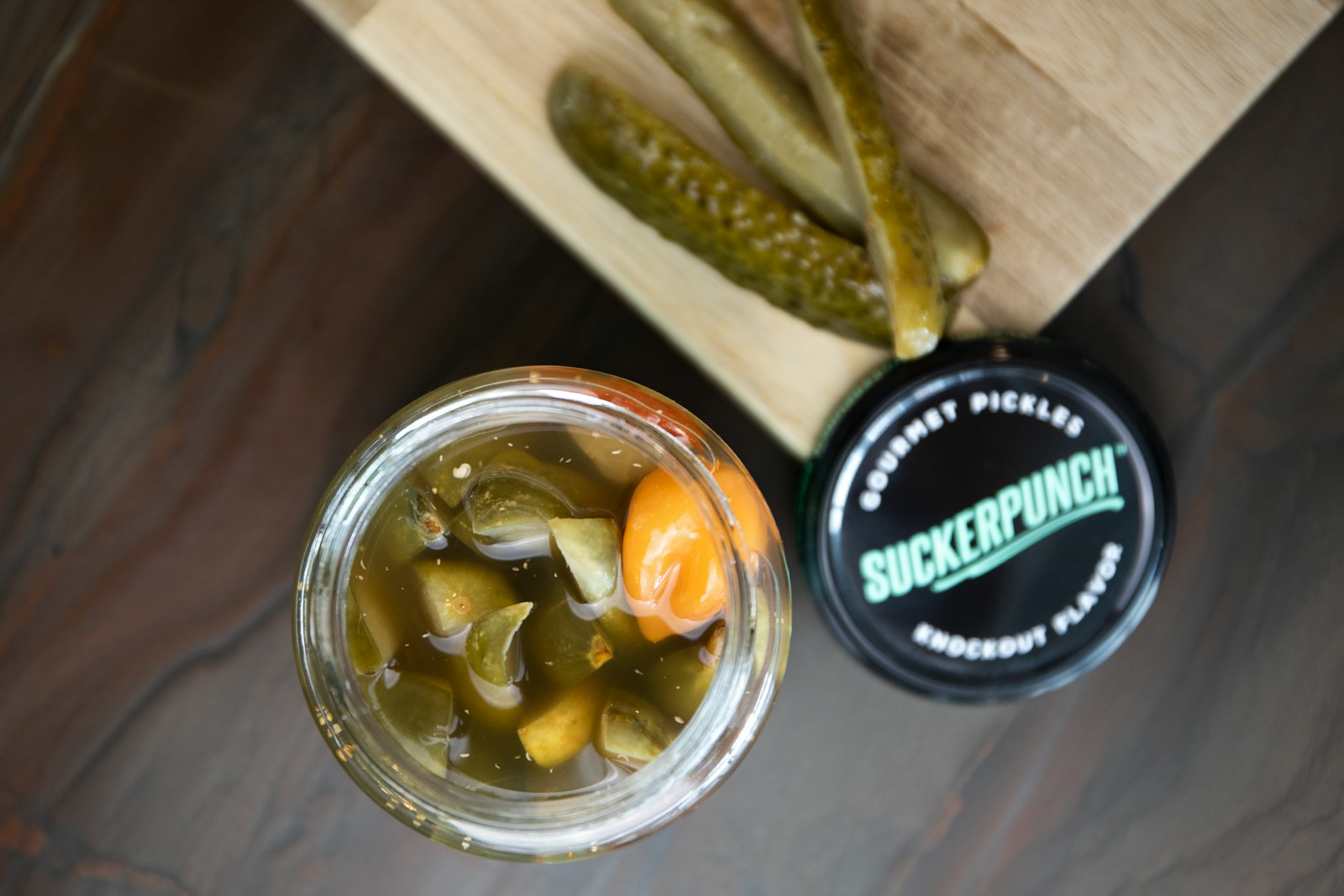
Boston Pickling Cucumber Seeds: An Heirloom Made for Crunchy Dill Jars
Boston Pickling cucumber seeds give us a direct line to old-school American pickles. This classic heirloom dates back to the late 1800s and still earns its place in modern backyard gardens for one simple reason: it just works.
In this guide, we walk through what makes Boston Pickling special, how to grow it step by step, and how to turn those small, dark-green cucumbers into jars of crisp, tangy pickles all summer long.
Meet the Boston Pickling Cucumber
A true American heirloom
Boston Pickling (Cucumis sativus) is a non-GMO, open-pollinated heirloom first marketed in 1877 by the Detroit seed company D.M. Ferry & Co.
Because it is open-pollinated, we can save seed from healthy plants and keep the variety going year after year. That makes it a good fit for home gardeners who like both history and self-reliance Growing One of the Sweetest Roots in Your Garden.
Days to maturity and growth habit
Boston Pickling is a fast, productive summer cucumber. Most seed sources list maturity at about 55–63 days from direct sowing in warm soil.
Key points about its growth:
- Vining habit, not a bush
- Loves to climb a trellis or fence
- Produces heavily over a long window when picked often
These vines keep setting fruit as long as we feed, water, and harvest with some regular rhythm.
What the Fruit Looks and Tastes Like
Size, shape, and color
Boston Pickling produces small to medium cucumbers that stay just the right size for jars:
- Typical harvest size: about 2–4 inches for pickles
- Many plants will push fruit up to about 5–6 inches if left to size up for fresh slicing
- Uniform, blunt-ended shape
- Smooth to slightly bumpy, dark green skin
When we pick them on the small side, they stack neatly in jars and hold their crunch.
Texture and flavor
The flavor is mild, fresh, and classic cucumber. The skin is tender, and the flesh stays crisp, which is exactly what we want in a pickling type. Many growers also use Boston Pickling for:
- Fresh snack cucumbers
- Simple salads with onion and vinegar
- Cucumber relish or mixed vegetable pickles
So even if every fruit does not make it into a jar lifesaver plant, it still fits well into everyday meals.
Built-In Strength: Disease Resistance
Heirlooms sometimes have a reputation for being fussy, but Boston Pickling holds its own.
Multiple sources note that this variety shows resistance or tolerance to common cucumber issues, especially:
- Cucumber mosaic virus (CMV)
- Powdery mildew
- Scab and related leaf problems
Good resistance does not mean immunity. We still need decent airflow, clean watering habits, and crop rotation. But Boston Pickling gives us a head start, which matters in humid U.S. summers.
Where Boston Pickling Fits in a U.S. Garden
Boston Pickling works well in many home garden setups:
- In-ground rows
- Raised beds
- Along fences or A-frame trellises
- Large containers with a sturdy support
In most regions of the United States, we can grow it anywhere cucumbers normally thrive: full sun, warm soil, and frost-free nights. Many guides list it as lace aloe suitable across a wide range of zones, roughly USDA 4–12, as long as the growing season is long enough for 55–60 frost-free days.
How to Plant Boston Pickling Cucumber Seeds
Timing the planting
Cucumbers hate cold soil. For best results in the U.S., we:
- Wait until 2–4 weeks after the last spring frost date
- Make sure soil is consistently at least 60–70°F
- Keep night temperatures above about 55°F
Many gardeners sow once in late spring and again a few weeks later for a second wave of harvests.
Soil prep
Boston Pickling likes:
- Well-drained, loose soil
- Plenty of compost or aged manure
- pH near neutral (around 6.5–7.0)
- Steady, even moisture
Well-drained soil with organic matter supports both yield and flavor, and it helps keep roots from sitting in cold, soggy ground early in the season.
Direct seeding in rows or beds
A simple planting plan:
- Set up a trellis, fence, or netting before you sow.
- Draw a shallow furrow about ½ inch deep.
- Drop seeds about 8–12 inches apart along the base of the support.
- Cover lightly with soil and water gently.
Extension guides for vining cucumbers often suggest 12–24 inches between plants and 3–4 feet between rows when trellised.
If you are short on space, you can tighten spacing toward the lower end, as long as airflow remains decent.
Planting in hills
Some gardeners like “hills” for cucumbers:
- Make a low mound about 2–3 feet across.
- Sow 4–6 seeds in a circle near the center.
- Thin to 2–3 strong plants once seedlings have a few leaves.
We can still plant a small trellis or cage in each hill to lift the vines.
Starting in pots (optional)
Cucumbers do not enjoy root disturbance, but some growers in cooler climates start a few weeks early indoors:
- Use small pots with seed-starting mix.
- Sow one seed per pot about ½ inch deep.
- Keep warm and bright.
- Transplant gently once roots fill the pot and outdoor soil is warm.
This step is optional thai delight bougainvillea; direct seeding works well in most U.S. gardens.
Trellising for Health and High Yield
Boston Pickling is a vining type, so a simple trellis makes life easier.
Benefits of a trellis:
- Keeps fruit off the soil, which cuts down on rot and yellow spots
- Improves airflow, which can reduce disease pressure
- Gives us cleaner cucumbers for pickling
- Makes harvest faster and easier
Popular options:
- Metal or wood A-frame trellises about 4–5 feet tall
- Wire cattle panels attached to T-posts
- Netting or string trellis along a fence line
We simply guide the vines early. Once the tendrils catch, they climb on their own.
Watering and Feeding
Water needs
Consistent moisture is critical for cucumbers. Boston Pickling prefers:
- About 1 inch of water per week, more in hot spells
- Deep, even watering rather than frequent, shallow splashes
- Water at soil level when possible, not over the leaves
Uneven moisture can lead to bitter or oddly shaped fruit. Mulch helps hold moisture and also suppresses weeds.
Fertility
We can treat Boston Pickling like most garden cucumbers:
- Work compost into the bed before planting.
- Use a balanced, slow-release organic fertilizer at planting if soil is weak.
- Side-dress with compost or a mild fertilizer once the vines start to flower and again during peak harvest.
Too much high-nitrogen fertilizer leads to lush vines barbara karst bougainvillea and fewer cucumbers, so we aim for steady, moderate feeding.
Keeping Plants Healthy
Basic cucumber care
Simple habits go a long way:
- Rotate cucumbers so they are not in the same spot every year.
- Give each plant enough room for air to move.
- Avoid working among the plants when leaves are wet.
- Remove dead or badly diseased leaves and dispose of them.
Boston Pickling already has some resistance to common diseases, so these steps help it shine.
Pests to watch
Common cucumber pests in U.S. gardens include:
- Cucumber beetles
- Squash bugs
- Aphids
Row covers early in the season, clean beds, and hand-picking beetles can help. Many gardeners also rely on mixed plantings with flowers to support beneficial insects.
When and How to Harvest Boston Pickling
Reading the fruits
Boston Pickling matures quickly, so regular scouting matters. Seed and gardening sources suggest:
- For classic pickles, harvest at about 2–4 inches long.
- For fresh slicing, let fruits reach about 5–6 inches, but pick before they turn dull or yellow.
- Keep the skin firm and deep green.
Once the vines are in full swing peanut cactus, we often harvest every day or two. Overripe cucumbers left on the vine slow down new fruit set.
Harvest technique
We get better results when we:
- Use scissors or pruners instead of yanking fruit off
- Cut with a short stem attached
- Handle cucumbers gently to avoid bruises
Freshly picked cucumbers store well in the refrigerator for about a week, but for pickling we often process them as soon as we can.
Turning Boston Pickling Cucumbers into Jars
Boston Pickling is named for pickles, and it lives up to the name. Gardeners across the U.S. use it for:
- Classic dill pickles
- Bread-and-butter slices
- Fermented half-sours
- Mixed vegetable pickles and relish
Simple habits for crisp jars:
- Harvest early in the day when fruit is cool
- Use cucumbers within 24 hours if possible
- Trim blossom ends, since blossoms can hold enzymes that soften pickles
- Follow tested canning or fermenting recipes from trusted sources
Because the fruit is small and uniform, it packs neatly in pints or quarts and stays crunchy with the right brine and process.
Saving Seed from Boston Pickling
Since Boston Pickling is an open-pollinated heirloom, we can save seed if we grow it a bit differently:
- Let a few fruits grow large and fully mature on the vine.
- Keep them separate from other cucumber varieties, or accept that cross-pollination can change future plants.
- Scoop and ferment the seeds, then dry them well for storage. (James E. Walker Library)
This turns one seed packet into many seasons of homegrown pickling cucumbers.
Heirloom Crunch for the Long Summer
Boston Pickling cucumber seeds give us a compact, reliable way to grow jars of classic American pickles right in our own backyards. The vines climb a simple trellis, the fruit stays small and crisp, and the harvest keeps coming as long as we keep picking.
When we build a season around this variety—warm soil, steady water, clean trellises, and frequent harvests—we turn a packet of non-GMO heirloom seed into weeks of crunchy, tangy flavor on the pantry shelf and in the fridge.
Boston Pickling cucumber seeds give us a direct line to old-school American pickles. This classic heirloom dates back to the late 1800s and still earns its place in modern backyard gardens for one simple reason: it just works. In this guide, we walk through what makes Boston Pickling special, how to grow it step by…
Boston Pickling cucumber seeds give us a direct line to old-school American pickles. This classic heirloom dates back to the late 1800s and still earns its place in modern backyard gardens for one simple reason: it just works. In this guide, we walk through what makes Boston Pickling special, how to grow it step by…