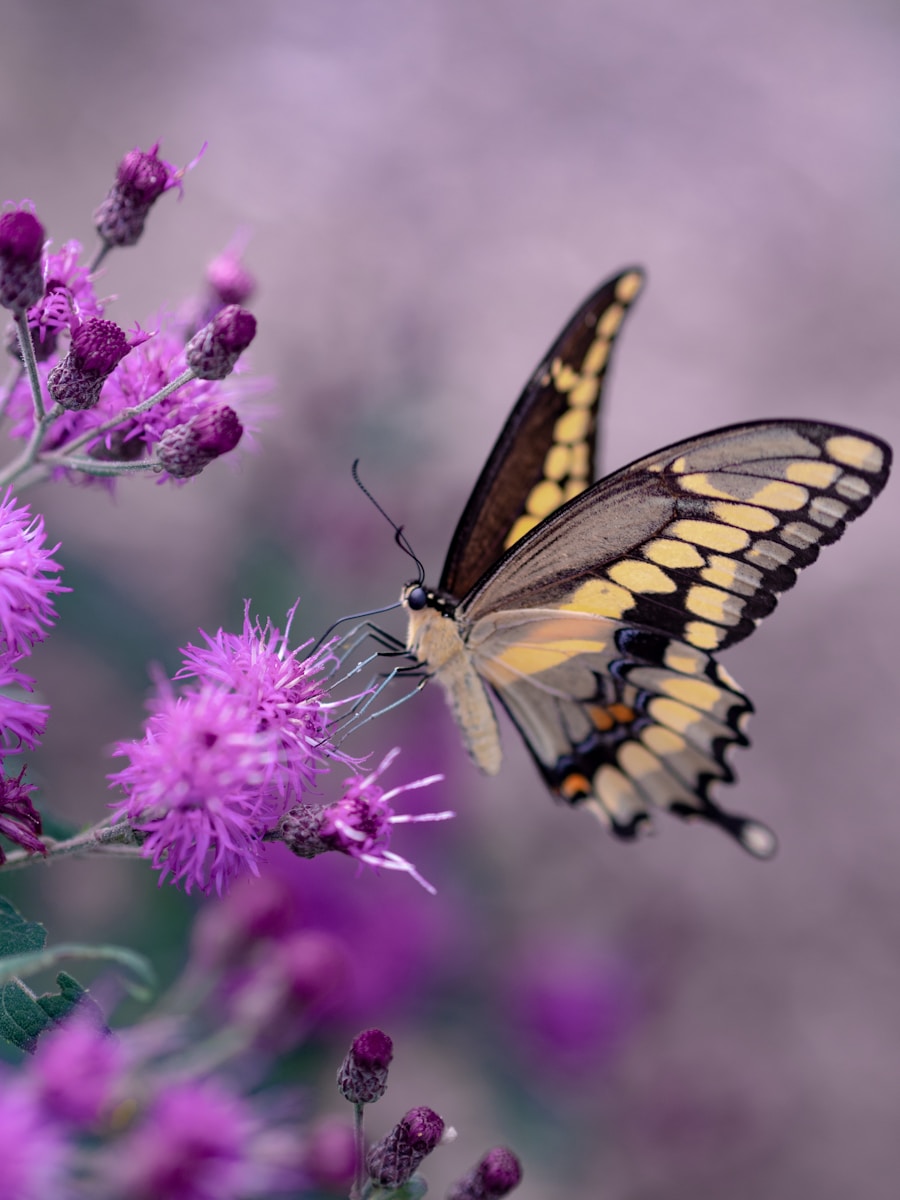
A Garden That Feeds the Sky: How to Welcome Bees, Butterflies, and Birds
Gardening can be pretty.
It can also be powerful.
A pollinator-friendly garden is not just “nice.” It is a small habitat. It is a food stop. It is a safe place. It is a way to help nature where we live.
Bees, butterflies, hummingbirds, moths, beetles, and even bats move pollen from flower to flower. That simple act helps plants make seeds and fruit. It also helps people eat.
One USDA summary puts it plainly: about three-fourths of the world’s flowering plants and about 35% of the world’s food crops depend on animal pollinators. That is a big share of life. 🌼
Many pollinators are declining. The drivers are not a mystery. Habitat loss, pesticides, disease, and climate stress all play a role. Big fixes take policy and time. Still, Heuchera Forever Red home gardens can help right now.
A yard, a balcony, or a few pots can become a living bridge.
Why Pollinators Matter So Much
Pollinators hold up both wild nature and our food system.
They keep plant life moving forward
Many plants cannot make seeds without help. Pollinators carry that help.
When we lose pollinators, we lose:
- plant diversity
- seeds for future growth
- food for wildlife
- resilience in ecosystems
They support the food we love
Many crops rely on pollination for fruit, nuts, and seeds.
Pollination supports foods like:
- berries
- apples
- squash
- melons
- almonds
- many vegetables and herbs
Pollinators also support animal feed crops like alfalfa. That means they support meat and dairy too, even when we do not see it.
They are signs of ecosystem health
When insects and birds do well, the whole web tends to do better. Pollinators are like early signals. When they struggle Heucherella Stoplight, it often means the land is under strain.
The Core Idea: Food, Shelter, Water, Safety
A pollinator garden works when it offers four basics:
- Food (nectar and pollen)
- Shelter (places to rest and hide)
- Water (safe sips, not deep bowls)
- Safety (low chemical exposure)
Everything else is a bonus.
Planting for Pollinators: The “Always Blooming” Rule
Pollinators need food across seasons. A garden that blooms only in June leaves gaps.
A good goal is simple:
Plant so something blooms in spring, summer, and fall.
This “season ladder” is also common in conservation guidance. It keeps nectar and pollen available for more of the year.
Choose native plants first
Native plants are the easiest way to feed local pollinators well.
They match local:
- weather
- soils
- pollinator mouthparts and timing
- life cycles
Native does not mean boring. Native gardens can be bold and colorful. They also tend to need less fuss once established.
Use a mix of flower shapes
Different pollinators like different blooms.
Include:
- flat flowers (easy landing)
- tube flowers (hummingbirds and long tongues)
- clusters of small blooms
- big daisy-style blooms
Pick single flowers when you can
Many “double” flowers look full, but they can hide the pollen and nectar. Single blooms often feed more insects.
A simple plant lineup that works in many places
These are common “pollinator hero” plants in many U.S. regions (still, local native versions are best):
Spring
- native wild lupine (where native)
- redbud or serviceberry (trees)
- early-blooming sages
- phlox types
Summer
- coneflower (Echinacea types)
- bee balm (Monarda types)
- black-eyed Susan
- lavender (not native everywhere, but loved by bees)
Fall
- goldenrod
- asters
- sedum/stonecrop types
- late-blooming mint family plants
Fall blooms matter more than most people think. Many bees are fueling up for winter. Some queens are preparing to start new colonies.
Shelter and Nesting: The Part Most Gardens Miss
Flowers are the buffet. Shelter is the home.
A garden can be full of blooms and still feel “empty” to pollinators if there is nowhere to live.
Bees need nesting spots
Many native bees are not honeybees. Many are solitary. Many nest in the ground.
Helpful options include:
- a small patch of bare soil in a sunny spot
- undisturbed edges where you do not dig often
- clumping grasses and ground covers
- hollow stems left standing over winter
“Bee hotels” can help in some cases, but they need care. Dirty hotels can spread disease. If you use one, clean and replace tubes as recommended.
Butterflies need host plants
Butterflies do not just need nectar. They need plants for their babies.
Caterpillars are picky.
A classic example is monarchs. They lay eggs on milkweed, because monarch caterpillars eat milkweed.
Other butterflies have other host plants. Local native plant groups often list the best host plants for your region.
Birds need layers
Birds love structure.
They do well with:
- shrubs for cover
- trees for nesting
- seed heads left in fall
- native berries
A garden with layers feels safer. Birds are more likely to stay.
Skip the Chemicals: The Fastest Way to Help
Pesticides can harm the insects we want. They can also harm the insects that eat pests.
So we aim for fewer sprays, fewer quick fixes, Hibiscus Dark Mystery and more balance.
Use gentle pest control first
Try:
- hand-picking pests
- blasting aphids with water
- pruning badly infested tips
- using row covers on veggies
- inviting beneficial insects with diverse plants
If you must use a product
Use the least harmful option and apply it carefully:
- avoid spraying blooms
- spray at dusk, when many pollinators are less active
- spot-treat, not blanket spray
- follow labels exactly
Many pollinator groups and scientific reviews list pesticides as a key stress on pollinators. Reducing use is one of the clearest wins a home gardener can control.
Add Water Without Creating a Hazard
Pollinators need water, but deep water can trap and drown small insects.
A simple bee water station
Use a shallow dish with:
- clean water
- stones or marbles for landing
Refresh it often. Warm, stagnant water grows algae fast.
A butterfly “puddling” spot
Butterflies like minerals. A simple puddle station can be:
- damp sand in a shallow tray
- a pinch of mineral-rich soil or a tiny pinch of salt (very small)
A bird bath that stays inviting
Birds like moving water, but still water works too if cleaned often.
- shallow edges help small birds
- place it near cover, but not where cats can hide
Let It Be a Little Wild
Neat lawns look tidy. They also offer very little habitat.
Pollinators love small “messy” zones.
Helpful wild touches include:
- leaving some fallen leaves through winter
- letting seed heads stand until spring
- keeping a brush pile tucked away
- letting clover grow in lawn patches
- avoiding heavy pruning in fall
Many insects overwinter in leaf litter and stems. When we remove everything, we remove them too.
A garden can still look cared for. It just does not need to look sterile.
Trees and Shrubs: The Unsung Pollinator Powerhouses
Flowers get the attention. Trees and shrubs often do the heavy lifting.
Why? They bloom big, and they bloom early.
Early spring can be a hungry time for pollinators. Flowering trees and shrubs can feed many insects at once. Fiji in June: A Sun-Kissed Paradise of Snorkeling, Serenity, and South Pacific Charm.
Great choices depend on where you live, but the idea stays the same:
- choose native flowering trees
- choose native shrubs with long bloom time
- choose berry producers for birds
Even one small tree can act like a pollinator “rest stop” for your whole block.
Companion Planting: Help Your Veggies and Your Pollinators
A pollinator garden can be part of a food garden too.
This is a strong combo.
Pollinators improve fruit set in many crops. That means:
- better squash yields
- fuller cucumber harvests
- more peppers and tomatoes in many cases
Easy companion ideas:
- add marigolds near veggies
- plant basil near tomatoes and let some basil flower
- tuck in zinnias or cosmos along garden edges
- let herbs like dill and cilantro flower in small patches
Flowering herbs are like tiny pollinator magnets.
A Simple Starter Plan for Any Space
This works for yards, patios, and balconies.
Step 1: Pick three bloom windows
- one spring bloomer
- one summer bloomer
- one fall bloomer
Step 2: Add one host plant
A native milkweed, a native grass, or another known host plant in your region.
Step 3: Add one shelter feature
A small brush pile, a patch of bare soil, or a shrub.
Step 4: Add one safe water dish
Shallow, with landing stones.
That is enough to start.
Small habitats add up when many people do them.
Sharing the Habitat: Community Makes It Stronger
Pollinators do not stop at property lines.
A single yard helps. A street helps more. A neighborhood helps a lot.
Ways to spread the impact:
- share seeds and cuttings
- put a small sign that says “pollinator habitat”
- join local native plant groups
- support parks and schools planting natives
- skip pesticide lawn services when you can
When more yards bloom, pollinators travel less to find food. Fallout From the Trump–Putin Meeting—and How U.S. Policy on Ukraine Is Shifting. That saves energy. It also improves survival.
The Garden Becomes a Living Place Again
A pollinator-friendly garden feels different.
It moves.
It hums.
It flutters.
It becomes a space where life shows up on its own.
A bee lands and disappears into a flower.
A butterfly drifts like a paper kite.
A bird stops by, then returns again tomorrow.
This is the reward.
Not just more blooms.
More life.
Gardening can be pretty.It can also be powerful. A pollinator-friendly garden is not just “nice.” It is a small habitat. It is a food stop. It is a safe place. It is a way to help nature where we live. Bees, butterflies, hummingbirds, moths, beetles, and even bats move pollen from flower to flower. That…
Gardening can be pretty.It can also be powerful. A pollinator-friendly garden is not just “nice.” It is a small habitat. It is a food stop. It is a safe place. It is a way to help nature where we live. Bees, butterflies, hummingbirds, moths, beetles, and even bats move pollen from flower to flower. That…