Bringing the Desert to Life: How Succulents Can Transform Your Landscape
A Fresh Look at Desert Beauty
There’s a moment when you brush your hand across a plump succulent leaf and feel that cool, waxy surface hold its shape. It’s simple. It’s calming. It tells you something right away: this plant knows how to survive. And when we bring that texture, color, and structure into our own yards, we give our landscapes a new kind of life. We invite resilience into the space around us. We also invite a style that feels modern, easy, and grounded.
Succulents offer a way of reshaping how we see our gardens. Instead of forcing a space to match some ideal image, we let the environment speak. We work with soil, sun, Thyme; Thymus vulgaris Winter Garden and slope instead of against them. And in other words, we create landscapes that feel natural to maintain. This shift gives you a chance to build something strong and beautiful without constant stress. It also helps the land stay healthy over the long run.
Why Succulents Fit Almost Anywhere
People often think succulents belong only in hot, dry places. But most of us have more options than we realize. Succulents come in all kinds of shapes and sizes, and many handle cool temperatures, seasonal rains, and mixed sunlight. You can tuck them into rock walls, wide beds, patio containers, or even large open yards. Instead of worrying about perfect soil or long watering schedules, we focus on finding plants that already like our conditions.
Succulents store water in their leaves, stems, or roots. This makes them steady and forgiving, even when the weather swings. It also makes your landscape easier to manage. After more than a few weeks of settling in, these plants start to hold their own. They push out new growth when they’re ready. They slow down when the season turns. And they keep their form with very little help from us.
But most of all, succulents let us blend art and nature. Their shapes feel sculpted. Their colors shift gently in the sun. Their patterns stay sharp all year. This gives you freedom to design landscapes that feel clean, intentional, and visually calm.
Understanding Succulent Diversity
When we talk about succulents, we’re really talking about a huge group of species adapted to dry conditions. Aloe, agave, echeveria, sedum, sempervivum, kalanchoe, crassula, and many others—all of them show the same kind of water-saving magic. Each offers something different for your landscape.
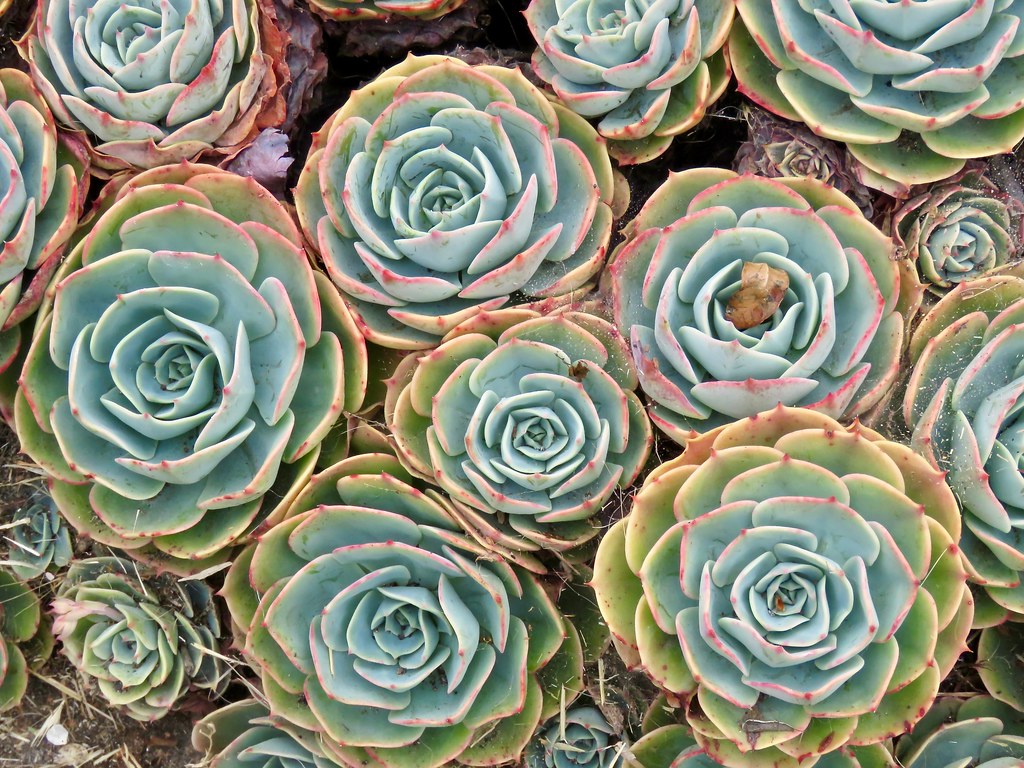
Aloe brings height and bold texture. Echeveria delivers soft rosettes that look like carved stone. Agave stands tall like a landmark you can build a whole yard around. Sedum spreads easily and fills gaps with color. Instead of choosing plants that fight your environment, you choose ones that thrive in it. This shift changes the tone of your whole landscape.
Color is another part of the story. Succulents come in greens, blues, purples, reds, silvers, and even near-blacks. Their tones deepen with sun and cool down with shade. This makes them feel alive in a way that’s subtle and steady. As seasons move, you’ll notice new shades and shapes. You’ll see how light hits them differently during the day. You get a landscape that stays interesting without becoming loud.
Planning a Succulent Landscape That Works
A good succulent landscape starts with a simple plan. We look at sun, shade, slope, and soil. We notice where water flows after rain. We see where heat collects near rocks or walls. Instead of pushing the space to match a picture we found somewhere, we let the space set the rules.
Most succulents want strong light. Many want full sun. Some prefer bright shade. Matching each plant to the right spot creates a landscape that grows well from day one. It also keeps maintenance simple. You don’t have to redo things later. You don’t have to fight nature every weekend. You let the plants settle into the environments they already like.
Drainage matters too. Succulents hate sitting in water. If your soil stays wet, we add gravel, sand, or crushed rock. We lift beds so water moves quickly. We mix in minerals instead of heavy compost. These steps help roots stay healthy. They also give your landscape a clean, sharp look that pairs well with the style of desert plants.
Designing With Shape, Form, and Rhythm
Succulents make design easier because they offer strong shapes. A cluster of round rosettes next to a tall agave gives you contrast. A wide patch of sedum near a tall columnar cactus gives you balance. Instead of fussing with constant trimming, you let the plants hold their structure. The result feels modern and calm.
You can create rhythm with repeating shapes. Three matching agaves spread across a bed can guide the eye through the space. A row of echeveria rosettes can soften the edge of a walkway. A large aloe planted near a boulder can become a focal point that anchors your whole landscape. In other words, we turn the yard into a quiet story told through shape and light.
Texture adds another layer. Smooth leaves beside spiky ones. Gray tones beside deep greens. Upright growth beside trailing stems. Each pairing creates contrast. And each contrast brings the scene to life.
Color That Stays All Year
Traditional gardens often fade when winter hits. Succulents stay bold. Their color doesn’t depend on flowers. Their form doesn’t collapse when temperatures drop. You get year-round interest without seasonal replanting.
This helps your yard feel complete. It also helps you stay connected to the space through every season. Even in cooler months, you see the blues, greens, Tomato Brandywine Red (Potato Leaf) and purples holding steady. And instead of dead patches or empty beds, you have structure you can count on.
Color also changes slightly with stress. More sun can deepen hues. Cooler temperatures can shift tones. These gentle changes make the landscape feel alive without needing constant work. In other words, your yard evolves in small, satisfying ways.
Water Use and Environmental Benefits
One of the biggest appeals of succulent landscapes is water savings. These plants store water naturally and release it slowly. You don’t need daily irrigation. You don’t need complicated systems. A deep soak every so often keeps them going. This helps your yard survive heat waves, dry spells, and unpredictable weather.
By using plants that match your climate, you protect the environment. You reduce runoff, reduce waste, and create spaces that support insects, birds, and local wildlife. Instead of forcing water-hungry plants into a dry landscape, we choose species that already know how to live there. The land becomes healthier. The work becomes lighter. And the whole space feels more natural.
Building Pathways, Rock Features, and Hardscape
Succulents pair beautifully with stone, gravel, and wood. Hardscape gives your landscape structure. It also helps drainage and keeps maintenance simple.
Gravel paths let water move easily. Large stones allow heat to warm nearby plants. Raised beds add height and definition. Wood elements soften the sharp lines and bring warmth. Instead of creating a cluttered space, you use simple materials that highlight the plants.
This balance between hard surfaces and soft foliage makes the landscape feel intentional. It also supports the rhythm created by the plants themselves. And after more than a few walks through your yard, you’ll notice how the stones and plants change together as sunlight moves.
Creating Privacy and Protection
Succulents can help you build privacy without heavy fences. Tall aloes, large agaves, and branching cacti create natural screens. They block wind. They soften noise. They create a barrier that feels friendly instead of closed.
These plants also protect the soil. Their shapes break the force of heavy rain. Their roots stabilize slopes. Their presence cools the ground around them. In other words, they help your landscape stay grounded and safe.
Maintenance Made Simple
One of the biggest advantages of a succulent landscape is how easy it is to maintain. Once the plants settle in, they ask for very little. You remove old leaves when needed. You check for pests now and then. You give them water during long dry periods. That’s about it.
Instead of constant trimming or fertilizing, you spend more time enjoying the space. You see how the plants grow and shift. You watch new offsets appear. You get to appreciate the small details that make succulents so rewarding.
Container Planting to Expand Your Design
Containers let you bring succulents into patios, porches, and entryways. They give you the freedom to move plants around and experiment with color and shape. This lets you extend the design from your garden beds into everyday living areas.
Containers also help with control. You can adjust soil quickly. You can place the plants exactly where they get the light they want. And you can rotate displays throughout the seasons. In other words, you can add layers of interest without reworking the whole yard.
Choosing the Right Succulents for Your Climate
Climate matters. Hot, dry areas welcome agave, aloe, and many cacti. Cooler zones appreciate sedum, sempervivum, and hardy echeveria. The trick is choosing plants that already match your weather. When you do this, the landscape becomes more resilient.
And when the plants feel at home, your work becomes easier. You don’t have to protect them constantly. You don’t have to change the environment for them. Instead, the garden Tradescantia blossfeldiana Lilac becomes a conversation between your choices and nature’s rhythm.
Succulents That Create Impact
Some succulents act like sculptures. Agave americana commands attention. Aloe marlothii lifts orange blooms above thick leaves. Echeveria elegans forms soft, neat rosettes. Sedum “Angelina” spills gold over stones. Instead of competing with each other, these plants create harmony.
You can build your entire design around one or two bold pieces. Then use smaller varieties to fill in gaps, soften edges, and guide the eye. You create balance without clutter.
Seasonal Shifts Without the Stress
A succulent landscape doesn’t collapse in winter. It doesn’t demand pruning every week in summer. It stays steady. This consistency helps you stay connected to the space through all seasons.
Cool weather brings deeper color. Hot weather brings new growth. Rain refreshes the stones and brightens the foliage. Everything works together in a quiet cycle. And this rhythm becomes part of your daily life.
A Landscape That Reflects You
Succulent landscapes feel personal. They show a balance between strength and softness. They reveal patience, resilience, and a willingness to work with nature. When we choose plants that thrive in our climate and soil, we create a landscape that reflects our values. It’s practical. It’s low-maintenance. It’s calm.
In other words, it’s yours.
Evergreen Impressions That Last
Succulents transform spaces by offering shape, color, Trends in Garden Design and endurance. They make landscaping simpler and more enjoyable. They give you a way to build beauty that lasts without constant upkeep. And they help you connect to the land in a steady, grounded way.
Footprints of Living Stone
A Fresh Look at Desert Beauty There’s a moment when you brush your hand across a plump succulent leaf and feel that cool, waxy surface hold its shape. It’s simple. It’s calming. It tells you something right away: this plant knows how to survive. And when we bring that texture, color, and structure into our…
A Fresh Look at Desert Beauty There’s a moment when you brush your hand across a plump succulent leaf and feel that cool, waxy surface hold its shape. It’s simple. It’s calming. It tells you something right away: this plant knows how to survive. And when we bring that texture, color, and structure into our…