Tendersweet Carrot Seeds: Growing One of the Sweetest Roots in Your Garden
Meet the Tendersweet Carrot
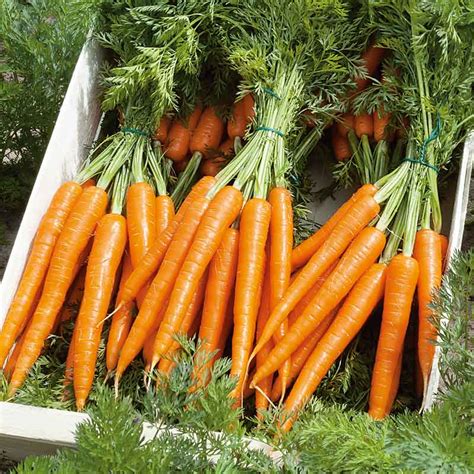
Tendersweet carrot is an old American heirloom with a simple promise in its name. The roots grow long and slim, about 9–10 inches, with a rich orange color and almost no tough core. The texture is fine and crisp. The flavor is very sweet, often compared to candy at the dinner table.
Tendersweet belongs to the same species as all garden carrots, Daucus carota subsp. sativus, a domesticated form of wild carrot. Carrots likely began their journey as a crop in the region of ancient Persia and Central Asia over a thousand years ago, first grown for leaves and seeds before people selected the thick, sweet roots we know today.
Today, Tendersweet keeps that long history alive. It is open-pollinated, non-GMO, and stable from generation to generation, so you can save seed if you want. Most packets list 70–80 days from sowing to harvest, which fits well into many U.S. growing seasons.
Why Gardeners Love Tendersweet
Incredible flavor and texture
Tendersweet is famous for its taste. Gardeners and seed companies describe it as “like candy for supper” and “the sweetest on the market.” The roots stay sweet whether you eat them raw, steam them, roast them, or tuck them into soup. The high sugar content means they also shine in juice blends and carrot cake.
Because the roots are nearly coreless, every slice is tender. You get fewer tough centers and more usable carrot per plant. This matters when you are canning, freezing, or juicing large batches Tiny Greens With Big Power.
Reliable heirloom performance
Tendersweet has been grown for generations. That long track record means gardeners already know how it behaves. It produces uniform, smooth roots with a deep orange-red color and fine grain. The color holds well during cooking and freezing, which is helpful for winter storage and meal prep.
As a cool-season carrot, it fits easily into spring and fall plantings. It works in traditional rows, raised beds, or deep containers.
Understanding What Tendersweet Needs
Cool-season roots, not summer heat lovers
Like other carrots, Tendersweet prefers cool weather. It grows best when air is mild and soil stays between about 45°F and 85°F, with the most reliable germination around 55–75°F.
In much of the United States, that means:
- Spring crop in USDA zones 4–8: Sow 2–4 weeks before your average last frost date.
- Fall crop: Sow again about 10–12 weeks before your first fall frost, so roots can size up in cooling weather.
In very warm climates, gardeners often treat carrots as a fall, winter, and early spring crop. They let the plants avoid intense summer heat begonia black mamba.
Deep, loose soil makes all the difference
Carrots form long taproots. If the soil is tight, rocky, or heavy with clay, roots can fork or stay thin. Tendersweet does best in light, fertile, deep, well-drained sandy loam.
For strong roots:
- Aim for at least 10–12 inches of loosened soil. Raised beds work very well for this.
- Remove rocks, big sticks, and clumps.
- Mix in finished compost before planting, but go easy on high-nitrogen fertilizers. Too much nitrogen can push leafy growth instead of thick roots and can lead to thin, stringy carrots.
Carrots prefer soil that is slightly acidic to neutral, roughly pH 6.0–7.0, but they are forgiving if the soil is healthy and drains well.
How to Sow Tendersweet Carrot Seeds
Step 1: Prepare the bed
Rake the surface of your carrot bed until it is fine and level. Break up crusts and big clods. You want a seedbed that looks like crumbs, not gravel.
Create shallow furrows about ¼ inch deep, spaced 6–8 inches apart. This spacing works well for thinning and weeding.
Step 2: Sow thinly and shallow
Carrot seeds are tiny. It is easy to sow too thickly, but there is no need to stress. Aim to sprinkle seeds along the row so there is a small seed every half inch or so. Cover them lightly with about ¼ inch of fine soil and press gently to ensure good seed-to-soil contact.
Because carrots dislike transplanting, Tendersweet is almost always direct-sown outdoors. Root disturbance can stunt growth begonia sinbad and twist the taproot.
Step 3: Keep the top layer moist
This step is where many carrot plantings fail. Carrot seeds take 6–25 days to sprout, depending on soil temperature and moisture. During that time, the surface must not dry out.
Helpful tricks:
- Water gently but often so the top half inch of soil stays damp.
- Use a light layer of straw, grass clippings, or burlap to shade the soil until seedlings appear, then remove or thin the cover.
- If you have very dry or windy conditions, consider using boards laid loosely over the rows. Lift them daily to check for sprouting.
Thinning and Everyday Care
Thin for full-size roots
Once seedlings reach about 2 inches tall, thin them to 2–3 inches apart in the row. This spacing gives Tendersweet room to develop those long, straight roots.
Thinning can feel wasteful, but it is essential. Overcrowded carrots fight for space, stay skinny, and sometimes twist together.
Water, mulch, and weed
Carrots need steady moisture, especially in the first month while roots are forming. Uneven watering can lead to split or oddly shaped roots. Try to provide about 1 inch of water per week, either from rain or irrigation.
A light mulch keeps soil cool and holds moisture. Pull weeds regularly so they do not shade young carrots or steal nutrients. Hand-weeding is safer than deep hoeing, which can nick the roots.
Pests, Problems, and Simple Solutions
Avoiding thin, stunted carrots
Many gardeners see carrots that are too thin or short. This is almost always tied to soil and spacing:
- Soil is compacted or rocky.
- Plants were never thinned.
- There was too much nitrogen or too little sun.
Deeply loosened soil, timely thinning, and a sunny site fix most of these problems. Raised beds and containers with loose mix are very forgiving.
Watching for carrot root pests
In some regions, carrot rust fly larvae can tunnel into roots and cause brown tracks. Floating row covers placed right after sowing can block adult flies from laying eggs. Rotating carrot beds each year also helps.
Because Tendersweet is an heirloom black begonia, the plants do not have built-in resistance to specific pests, but good garden hygiene, rotation, and covers usually keep damage low.
Harvesting and Using Tendersweet Carrots
When to harvest
Tendersweet carrots usually take 70–80 days from sowing to full maturity, but you can pull “baby” carrots earlier if you like. The root shoulders at the soil line are a good guide. When they reach around ¾ inch across and show a deep orange color, the roots are ready.
Loosen the soil gently with a fork a little distance from the row, then pull the tops straight up. Avoid yanking hard on compacted soil, which can snap tops off.
Flavor in the kitchen
Because Tendersweet is so tender and coreless, it shines in many dishes:
- Fresh eating: Sliced into salads, packed into lunch boxes, or eaten right from the garden.
- Juicing: High sugar content supports a smooth, rich juice that blends well with apple, ginger, or citrus.
- Canning and freezing: Uniform, smooth roots pack well into jars and keep their color during pressure canning and blanch-and-freeze prep.
- Cooking: Roasted with oil and herbs, simmered in soups and stews, or glazed with a bit of butter and honey.
Because the roots have very little core, slices cook evenly. This is handy when you want a consistent texture in stews and casseroles.
Storing your crop
For short-term storage, trim the tops to about ½ inch to prevent moisture loss and keep the roots in the refrigerator in a perforated bag.
For longer storage, many gardeners pack unwashed carrots in bins of damp sand or sawdust and hold them in a cool root cellar or unheated but protected space where temperatures stay just above freezing. Carrots have been stored this way for centuries and can keep crisp for months.
Saving Seed from Tendersweet
Because Tendersweet is an open-pollinated, non-GMO heirloom, you can save seed if you are willing to wait. Carrots are biennial, which means they flower in their second season.
Basic steps:
- Leave a few of your healthiest roots in the ground in regions with mild winters, or dig and store them and replant in spring in colder climates.
- In their second year, the plants send up tall stalks with umbrella-shaped clusters of white flowers.
- Once the umbels turn brown and dry, clip them and finish drying in a paper bag.
- Rub the dried heads to release the seeds, then store them in a cool, dry, dark place.
Carrots cross readily with other carrot varieties and with Queen Anne’s lace (the wild form), so isolation is important if you want true-to-type Tendersweet seed. (Wikipedia)
Everyday Joy with Tendersweet Carrots
Tendersweet carrot seeds bring a very simple kind of joy. You sow a thin line of tiny seeds in cool soil. Weeks later, soft feathery tops appear, and before long, deep orange roots hide underneath. When you finally pull one and snap it in half, the sweet scent and crisp flesh make the wait feel worth it.
This heirloom does not need special tricks. It asks for loose soil, cool weather, steady moisture, and a bit of patience. In return, it gives you roots that are long, smooth, and candy-sweet, ready for canning jars, roasting pans, school lunches, or a quick snack right in the garden.
Meet the Tendersweet Carrot Tendersweet carrot is an old American heirloom with a simple promise in its name. The roots grow long and slim, about 9–10 inches, with a rich orange color and almost no tough core. The texture is fine and crisp. The flavor is very sweet, often compared to candy at the dinner…
Meet the Tendersweet Carrot Tendersweet carrot is an old American heirloom with a simple promise in its name. The roots grow long and slim, about 9–10 inches, with a rich orange color and almost no tough core. The texture is fine and crisp. The flavor is very sweet, often compared to candy at the dinner…