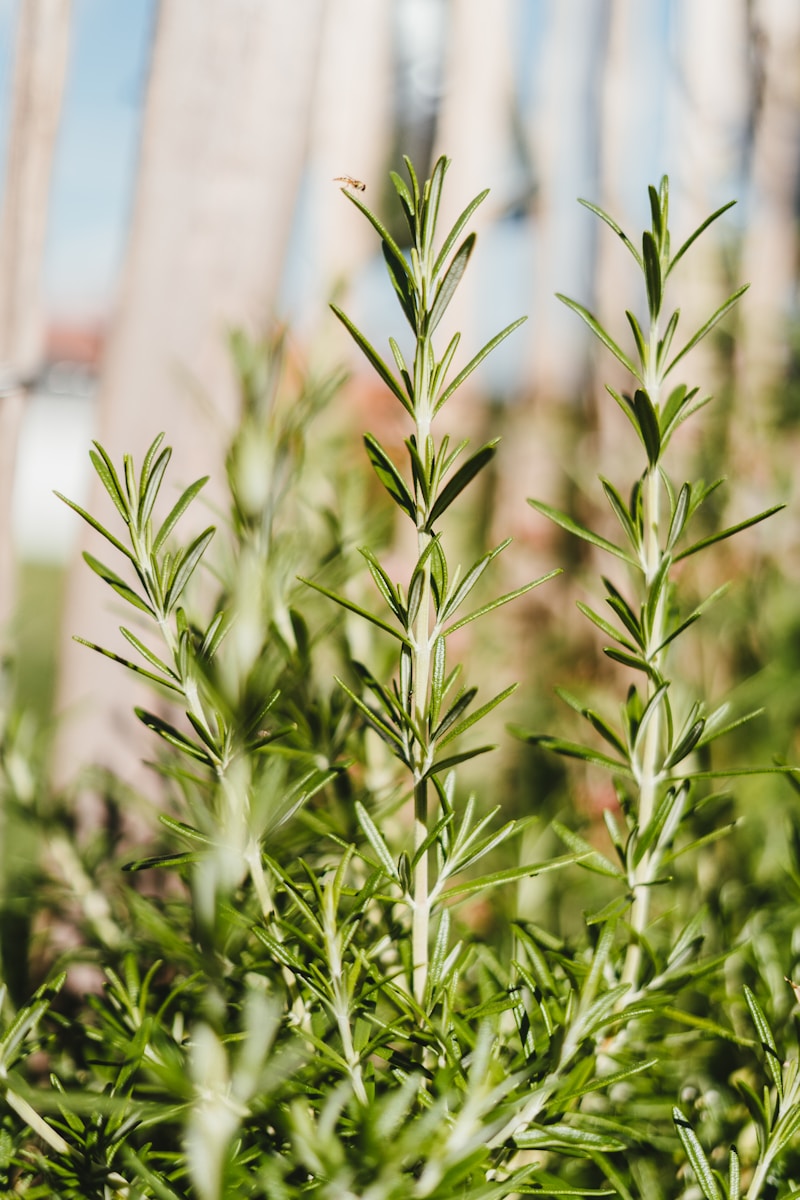
Rosemary That Lasts for Years
Rosemary feels like a small evergreen tree that decided to move into the kitchen. It keeps its needles in winter, holds scent in every leaf, and stands up to heat and dry weather in a way many herbs never manage. When we grow culinary rosemary from non-GMO, heirloom seed, we invite a long-lived, steady plant into our garden that can stay with us for many seasons.
In other words, a single rosemary shrub can turn into a familiar companion that flavors meals and perfumes walkways for 15–20 years when it lives in the right climate and gets a bit of basic care.
Getting to Know Rosemary (Salvia rosmarinus)
Rosemary is a woody perennial herb from the Mediterranean region. It grows as a small shrub with thin, needle-like leaves that look a bit like a tiny pine tree. The leaves stay on the plant all year in mild climates True American Classic, so the shrub feels evergreen and always ready to use.
Mature plants can reach 2–4 feet tall and wide, sometimes more with age and pruning. Stems turn woody over time, and new soft green shoots push out from that older framework. The plant produces small blue, lavender, or white flowers that bees and other pollinators love.
In many parts of the United States, rosemary grows as a true perennial only in warmer zones.
- In-ground perennial in about USDA Zones 8–10 (sometimes 7 with protection)
- Often grown in containers and overwintered indoors in Zones 6 and colder
When winters stay too cold for the roots, we either protect the shrub outdoors or bring it into a sheltered space. Rosemary prefers heat and low humidity, so it feels most at home in conditions that echo its rocky coastal origins: sunny, breezy, and well-drained.
Why Culinary Rosemary Is Such a Keeper
Culinary rosemary stands out in the herb bed for a few simple reasons.
First, it is persistent. Many plants tire out after a few seasons. Well-cared-for rosemary can live 10–15 years, and some shrubs reach 20 years or more in the right climate. That means one planting can serve us for much of a decade.
Second, the flavor and aroma stay strong even after drying. A lot of leafy herbs lose punch when they are dried and stored. Rosemary leaves carry fragrant oils deep in those thin, conifer-like needles. The scent holds up in jars, in blends, and in cooking oils long after harvest.
Third, it handles drought better than many herbs. Once established in the garden, rosemary tolerates dry spells and poor, sandy soil. It prefers this lean, quick-draining setup over rich, soggy beds. The plant can wilt or rot in heavy, wet soil, but it shines in water-wise and raindrop peperomia low-maintenance landscapes.
As a result, culinary rosemary becomes both a working kitchen herb and a tough ornamental shrub that fits into borders, foundations, and containers.
Starting Rosemary from Seed
Many gardeners buy small plants because rosemary can be slow to start, yet growing from non-GMO, heirloom seed gives us more control and more plants for the same cost. It simply asks for patience.
Timing the sowing
Rosemary seed needs warm soil and steady light. A simple schedule for much of the U.S.:
- Sow seeds indoors about 10–12 weeks before the last spring frost
- Plan to transplant outside after nights stay above 45–50°F
- In warm zones, sow again in late summer for fall planting if desired
Seed starting basics
A simple seed-starting setup works well:
- Use a fine, sterile seed-starting mix
- Fill trays or small plugs and moisten the mix evenly
- Sow seeds about ¼ inch deep
- Keep soil around 70°F if possible
- Give strong light for 14–16 hours a day with a bright window or grow lights
Germination often takes 14–21 days and sometimes longer. The process feels slow, so it helps to think of rosemary seed like a small investment that pays off over years. Once seedlings emerge, they grow slowly at first, then speed up in their second year.
Growing on indoors
Seedlings like bright light and good air flow. As they grow:
- Thin or pot up so each plant has space
- Let the top of the soil dry slightly between waterings
- Brush the tops of the plants gently with your hand or give light air movement to encourage sturdy stems celebrity tomato plant
When seedlings reach about 3–6 inches tall with strong roots and several sets of leaves, they are ready for life outdoors.
Transplanting Rosemary into the Garden
Moving rosemary from indoor trays to outdoor beds feels like moving a small shrub into its permanent home.
Hardening off
Before planting out, seedlings need time to adjust to sun and wind. For about a week:
- Set plants outside in light shade for a few hours a day
- Increase the time and sun exposure each day
- Bring them in if temperatures drop sharply
This slow adjustment helps prevent shock and leaf scorch.
Choosing the right spot
Rosemary thrives when we match its natural home:
- Full sun for at least 6–8 hours a day
- Light, well-drained soil
- Slightly acidic to neutral pH, roughly 6.0–7.0
- Raised beds, mounds, or slopes in areas with heavy clay
In other words, rosemary loves bright, dry feet and dislikes wet roots. A planting area with stones, gravel, or sand mixed into the top layer suits it better than heavy, rich compost alone.
Spacing and planting
Give each plant room to spread. A simple spacing plan:
- 18–24 inches apart for individual shrubs
- 12–18 inches apart if forming a low hedge
Plant at the same depth the seedlings sat in their pots. Firm soil around the roots and water well the first day. In the first season, keep the soil lightly moist while the roots spread, then slowly shift to less frequent, deeper watering. what do muscovy ducks eat?
Mulch with gravel or a light organic mulch that does not hold too much moisture. Avoid thick, wet mulch at the base of the stems.
Growing Rosemary in Containers
Containers open up rosemary to cooler climates and small spaces. A sturdy pot can turn into a movable mini-shrub that follows the sun and avoids harsh winter nights.
Picking the right pot and mix
A good rosemary container setup includes:
- Terra cotta or other well-draining pots with large drainage holes
- Quality potting mix blended with sand or perlite for extra drainage
- A pot at least 10–12 inches wide for a young plant, with room to move up over time
The goal is a mix that drains fast and never stays soggy.
Water and feeding in pots
Container-grown rosemary needs more frequent checks because pots dry faster than ground soil. Simple habits keep the plant happy:
- Water when the top inch of soil feels dry
- Let excess water drain away fully
- Avoid leaving the pot in a saucer full of water
- Feed lightly with a balanced, low-rate fertilizer once or twice during the growing season
In other words, rosemary in a pot enjoys attention, but not fussing. Too much water and fertilizer can cause more harm than good.
Overwintering in cold regions
In colder zones, rosemary often spends winter under shelter. A gentle overwintering pattern:
- Move pots indoors before nights drop into the low 20s°F
- Place the plant in a cool, bright spot with good light and air flow
- Aim for room temperatures around 50–60°F rather than a hot, dry room
- Water sparingly, only when soil is dry several inches down
This cooler indoor rest period mimics a winter pause outdoors. The plant slows down but stays alive and ready to grow again in spring.
Pruning, Shaping, and Keeping Plants Young
Rosemary responds well to pruning. In fact, regular cutting keeps plants dense, tidy, and full of fresh green shoots.
Basic pruning habits:
- Start light pruning once plants are well established
- Trim soft green tips often for kitchen use
- Avoid cutting into very old, leafless wood; focus on newer growth
- After flowering, give shrubs a slightly deeper trim to maintain shape
Over time, a well-pruned rosemary becomes a small lace aloe, sculpted shrub that looks neat in borders, along paths, or in pots. Without pruning, stems may grow long and woody with fewer leaves near the base.
Harvesting Rosemary for the Kitchen
Harvesting rosemary feels like snipping small pieces from a living spice rack. The more we use it (within reason), the more new growth appears.
Best time to harvest
For the fullest flavor:
- Clip sprigs in the morning after dew dries
- Choose young, tender stems with deep green leaves
Rosemary tastes strong, so small amounts go a long way.
Using rosemary fresh
Fresh rosemary adds a savory, resinous note to many dishes. In everyday cooking, it fits into:
- Roasted potatoes and root vegetables
- Chicken, turkey, lamb, and pork
- Grilled vegetables and skewers
- Soups, stews, and beans
- Bread, focaccia, and savory biscuits
- Compound butter and infused olive oil
Chopped needles can be strong, so many cooks strip leaves from the stem, mince them finely, and start with a small pinch. Whole sprigs also work well tucked into roasting pans or simmering pots, then removed before serving.
Drying and Preserving Rosemary
One of rosemary’s great strengths lies in how well it dries. The aroma stays bold, and the leaves keep flavor for months.
Simple air drying
A basic drying process:
- Cut healthy sprigs, shake off dust, and remove any damaged leaves
- Bundle stems with twine or a rubber band
- Hang upside down in a dry, dark, well-ventilated place
- Wait until leaves feel crisp, then strip them into a clean jar
Stored in a sealed container away from heat and light chocolate chip ajuga, dried rosemary can remain fragrant for a year or more.
Freezing and infusing
Rosemary also freezes well. Sprigs can go into freezer bags or be chopped and frozen in ice cube trays with a bit of olive oil or broth.
Infused oils and vinegars capture its flavor too. Clean sprigs in a jar of oil or vinegar create a scented base for dressings, marinades, and roasting. For food safety, oil infusions work best when stored in the fridge and used within a safe time window.
Aroma, Well-Being, and Everyday Comfort
The scent of rosemary travels quickly through a room. When we brush the leaves or crush a sprig between our fingers, the essential oils lift into the air. Many people find the smell energizing, clear, and bright.
Traditional use and modern research link rosemary aroma and extracts to support for:
- Mental clarity and focus
- Mood and stress balance
- Digestive comfort
- General antioxidant and anti-inflammatory roles in the body
Rosemary can interact with some medications and health conditions, so it works best as a gentle, daily food and fragrance rather than a self-prescribed cure. When used as a culinary herb in normal amounts, it fits easily into a balanced diet and a simple home routine.
A Shrub That Helps the Whole Garden
Culinary rosemary supports more than just the cook. It also helps the garden as a whole.
The small flowers provide nectar and pollen for bees and other pollinators. The evergreen shape adds structure and winter interest in mild climates. The strong scent can dragon wing begonias even help deter some pests when planted near other crops, especially in mixed herb beds and vegetable gardens.
As a drought-tolerant shrub, rosemary belongs in low-water plantings, gravel gardens, rock walls, and sunny slopes. It matches well with other Mediterranean herbs such as thyme, oregano, and sage, creating a resilient, fragrant strip that needs little fuss.
When we grow rosemary from stable, heirloom, non-GMO seed and keep it going year after year, that strip can become a living border that defines paths and beds with color, texture, and scent.
Evergreen Flavor, Lasting Companions
Culinary rosemary brings together long life, strong fragrance, and simple care. A woody, cold-hardy perennial shrub can grow from a single seed tray into a permanent part of the garden, the patio, and the kitchen.
With sun, drainage, and a light hand on the watering can, rosemary settles in and stays. Sprigs move from outdoor hedge or container to cutting board and stove. Leaves dry well and keep their power in jars and blends. Flowers feed bees. The plant itself holds its place through seasons of heat, wind, and light frost.
In this way, a packet of rosemary culinary herb seeds turns into scented branches that share flavor and comfort with us for many years.
Rosemary feels like a small evergreen tree that decided to move into the kitchen. It keeps its needles in winter, holds scent in every leaf, and stands up to heat and dry weather in a way many herbs never manage. When we grow culinary rosemary from non-GMO, heirloom seed, we invite a long-lived, steady plant…
Rosemary feels like a small evergreen tree that decided to move into the kitchen. It keeps its needles in winter, holds scent in every leaf, and stands up to heat and dry weather in a way many herbs never manage. When we grow culinary rosemary from non-GMO, heirloom seed, we invite a long-lived, steady plant…