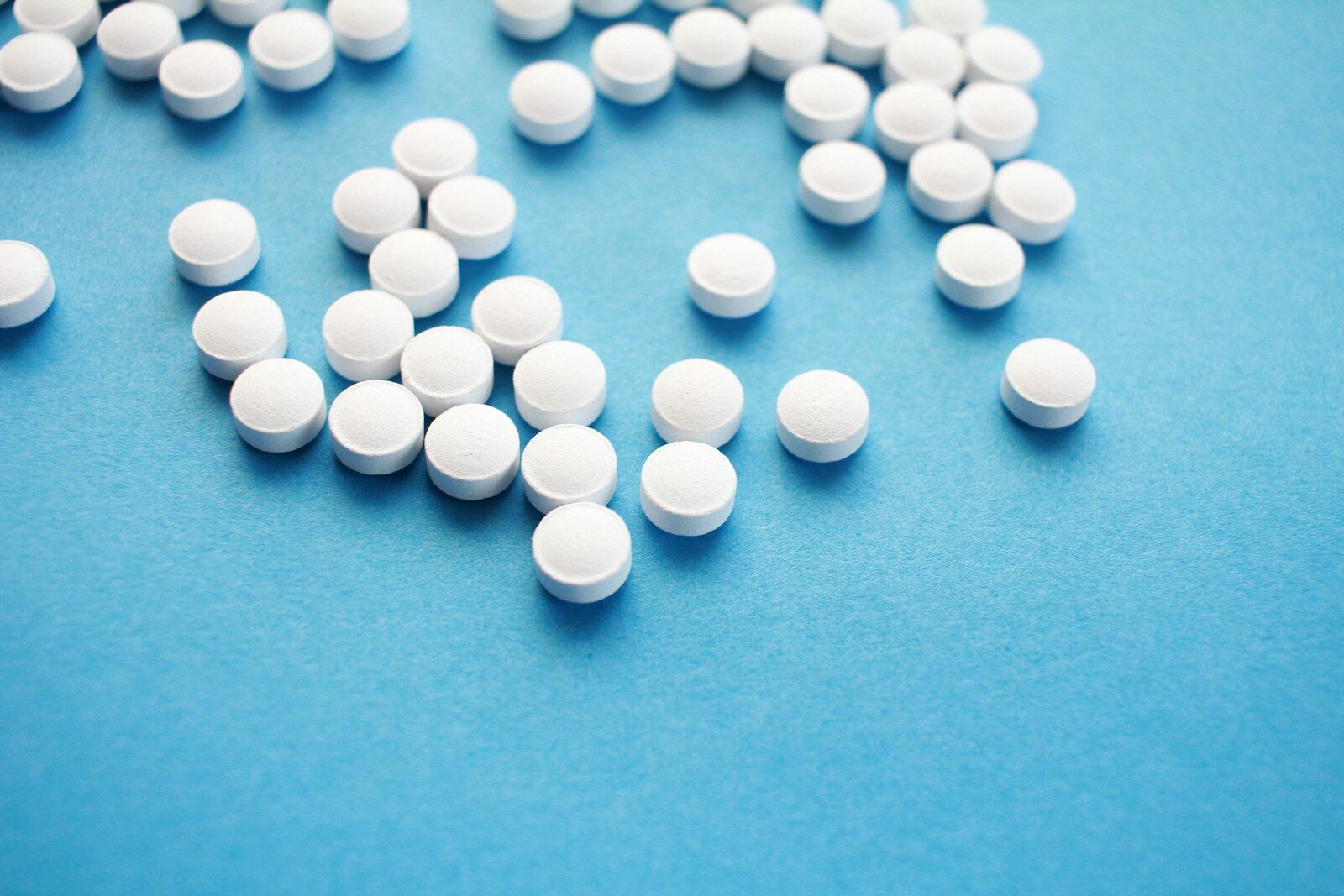
Nattokinase vs Aspirin: What Really Sets Them Apart?
Nattokinase and aspirin are not the same kind of tool. That is the big thing to know first. Aspirin is a medicine. Doctors use it for specific reasons, such as pain, fever, and, in some people, lowering the risk of heart attack or ischemic stroke. Nattokinase is a dietary supplement made from natto, a fermented soybean food. It is sold for “circulation” or “blood flow,” but it does not have the same level of proof, regulation, or guideline support that aspirin has.
Aspirin works mainly as an antiplatelet drug. In plain terms, it makes platelets less sticky, so they are less likely to clump and form a clot inside an artery. That matters most in problems like heart attack, stroke, and blocked heart stents. Nattokinase is different. It is described in the research as a fibrinolytic enzyme, which means it may help break down fibrin, a protein involved in clots. So even though people often group both under “blood thinners,” they do not work the same way. Aspirin helps stop platelets from sticking. Nattokinase: What It Is, What It May Do, and What to Know Before You Take It. Nattokinase is marketed for clot breakdown and circulation support, but that does not make it a proven substitute for aspirin.
The next difference is the strength of the evidence. Aspirin has been studied for decades. Current guidance still supports low-dose aspirin for many people who already have coronary artery disease, a past heart attack, a past ischemic stroke, or certain other vascular problems. In those settings, aspirin has a clear medical role. But aspirin is not a good “just in case” choice for everyone. The U.S. Preventive Services Task Force says adults ages 40 to 59 with a 10% or greater 10-year cardiovascular risk may consider low-dose aspirin on an individual basis, while adults 60 and older should not start aspirin for primary prevention of a first heart attack or stroke. In other words, aspirin is useful, but only in the right person.
Nattokinase has much less human evidence. There are reviews and small clinical studies that suggest it may affect blood pressure, fibrin-related markers, and some cardiovascular risk factors. A recent meta-analysis reported modest drops in systolic and diastolic blood pressure with nattokinase compared with placebo. But most of the nattokinase research is small, mixed in quality, and not the same as the large outcome trials we have for aspirin. Most of all, nattokinase is not part of standard medical guidelines as a proven replacement for aspirin to prevent heart attack or stroke.
Safety is where people need to slow down. Aspirin can raise the risk of stomach bleeding, intestinal bleeding, and bleeding in the brain. That risk goes up in some people, such as older adults and people with ulcers or bleeding problems. The FDA warns that aspirin can cause serious bleeding, and MedlinePlus says long-term use can raise the risk of stomach bleeding. Beauty of Purpleleaf Sand Cherry Prunus x cistena. So aspirin is not “mild” just because it is common. It is a real drug with real trade-offs.
Nattokinase also has safety concerns. Memorial Sloan Kettering warns that nattokinase may increase the effects of daily aspirin and lead to excessive bleeding. It also advises against use in people with coagulation disorders or those using anticoagulant drugs. There is even a published case report of a cerebellar hemorrhage in a person who took nattokinase along with aspirin for stroke prevention. That does not prove the combination is always dangerous, but it is a strong warning sign. Instead of assuming a supplement is gentler, we need to treat it like something that can change bleeding risk.
There is also a regulation gap. Aspirin is an approved drug with defined uses, dosing, labeling, and quality controls. Nattokinase is sold as a dietary supplement. The FDA says dietary supplements are not approved by the agency before they are marketed. That means a nattokinase bottle is not reviewed the same way as a prescription or over-the-counter drug for preventing clots, heart attack, or stroke. After more than a few years of heavy supplement marketing, this is still a key difference. A supplement may be promising. It is not the same as a proven medicine.
So which one is “better”? It depends on the job. If the job is pain, fever, or inflammation, aspirin can do that. Nattokinase cannot step into that role. If the job is secondary prevention after a heart attack, ischemic stroke, angioplasty, or known coronary artery disease, aspirin has much stronger evidence and guideline support. If the job is general supplement use for “circulation,” nattokinase may be of interest, but the proof is much thinner and it should not replace prescribed aspirin on your own. There is a published case report of harm when a patient substituted nattokinase for warfarin after valve surgery, which shows how risky self-swapping can be.
For most of us, the safest way to think about this is simple. Aspirin is a medical therapy. Nattokinase is a supplement with possible blood-related effects. They are not equal choices. They are not routine substitutes. And they are not always safe together. If you already take aspirin for heart or stroke prevention, do not add nattokinase without asking your clinician or pharmacist first. Cray Supercomputers: From the C-Shaped Legend to Today’s Lightning Labs. And if you are tempted to stop aspirin and switch to nattokinase, that is exactly the kind of change that needs medical advice first.
One more point matters here. Aspirin is no longer recommended as a daily prevention pill for many healthy older adults. So the answer is not “everyone should take aspirin,” and it is not “just use nattokinase instead.” The real answer is to match the tool to the person, the risk, and the evidence. That is slower. But it is also safer.
Nattokinase and aspirin are not the same kind of tool. That is the big thing to know first. Aspirin is a medicine. Doctors use it for specific reasons, such as pain, fever, and, in some people, lowering the risk of heart attack or ischemic stroke. Nattokinase is a dietary supplement made from natto, a fermented…
Nattokinase and aspirin are not the same kind of tool. That is the big thing to know first. Aspirin is a medicine. Doctors use it for specific reasons, such as pain, fever, and, in some people, lowering the risk of heart attack or ischemic stroke. Nattokinase is a dietary supplement made from natto, a fermented…