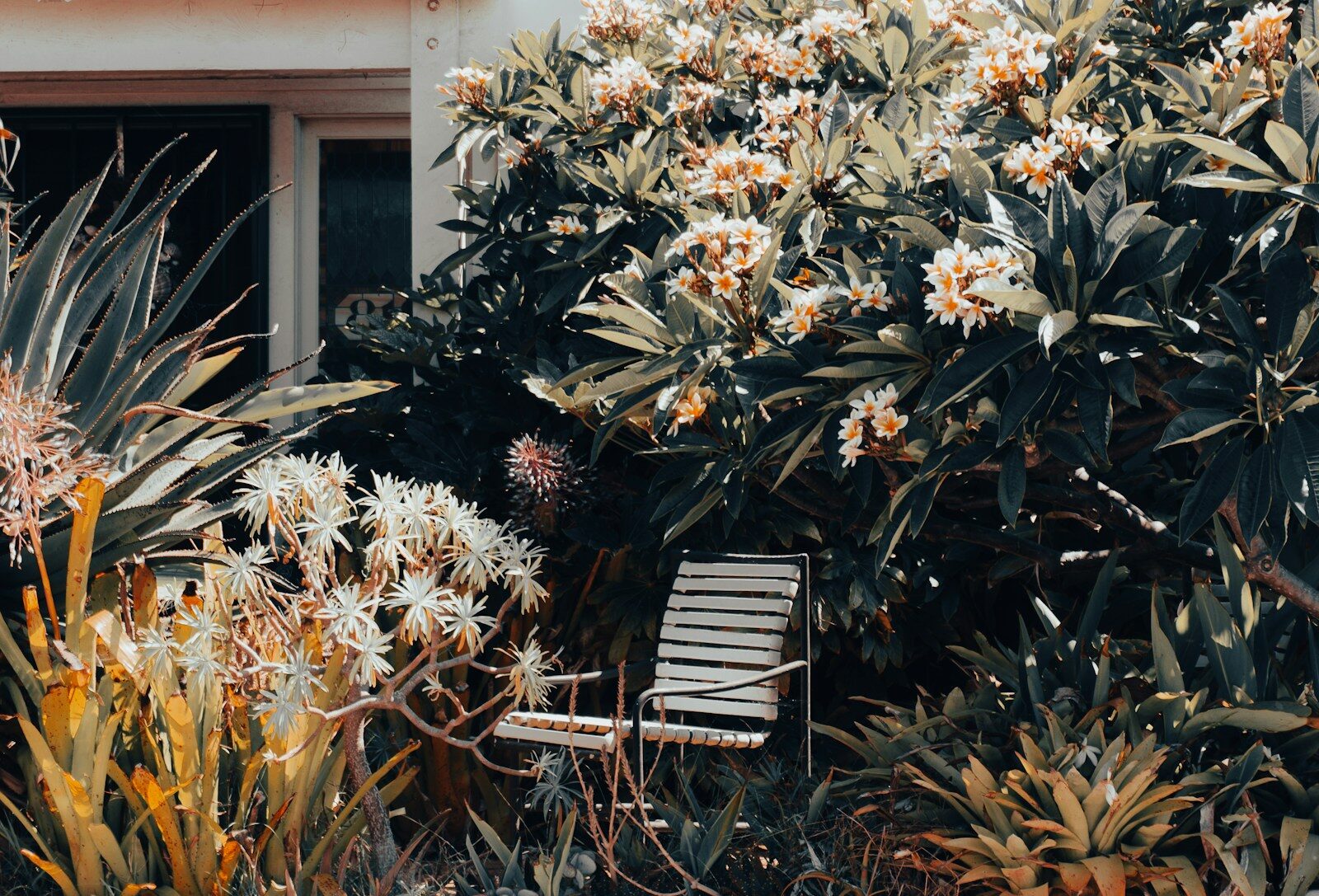
The Wild Garden Trend Is Here: How to Let Your Yard Grow Without Letting It Go
A neat yard used to mean one thing.
Sharp edges. Bare mulch. Trimmed shrubs. Not one leaf out of place.
But now, garden taste is shifting. The big trend is softer, looser, and much more alive. We are seeing more gardens that look a little wild on purpose. Not messy. Not forgotten. Just more natural.
This idea showed up in a big way at the 2026 RHS Chelsea Flower Show. Many gardens there leaned into wildlife, pollinators, water care, native-style planting, and gentle, less formal spaces. In other words, the “perfect” garden is not so perfect anymore.
And honestly, that feels kind of nice. 🌿
For those of us in Arizona, this trend needs a desert twist. We cannot just let every weed run loose. Some weeds here are a real problem. Bufflegrass, fountain grass, stinknet, and other invasive plants can hurt native desert land. So the goal is not to quit caring.
The goal is to care in a smarter way.
A wild garden should still have a plan. It should feed bees, birds, and butterflies. It should use less water. It should feel calm. But most of all, it should work with the place where we live.
What Is a Wild Garden?
A wild garden is a planted space that looks more natural than formal.
It may have grasses that move in the wind. It may have flowers that seed around a little. It may have uneven edges. It may leave some leaf litter under shrubs. It may have a few dry seed heads left for birds.
It is not the same as a yard full of weeds.
That difference matters.
A wild garden is still chosen. We pick the plants. We guide the shape. We remove the bad actors. We water with care. We leave room for life, instead of trying to control every inch.
Think of it like a loose braid, not a tangled knot.
Why This Trend Feels So Right Now
A lot of us are tired.
We are tired of high water bills. We are tired of replacing plants after heat waves Cactus Gumby. We are tired of outdoor spaces that need constant trimming, spraying, and fixing.
So a wild garden speaks to that mood.
It says we can slow down. We can plant for birds and bees. We can stop treating every dandelion, seed head, and stray leaf like a crisis.
At Chelsea, this showed up as gardens with rainwater capture, self-seeding plants, grasses, natural materials, and wildlife-friendly spaces. The point was not just beauty. It was resilience.
That word gets used a lot, but it fits here.
A resilient garden can handle stress. It can take heat better. It can support insects and birds. It can look good without needing us to hover over it every day.
The Arizona Version Needs Care
Here is where we need to be honest.
In a wet, mild place, “letting it grow” may mean one thing. In Arizona, it means something else.
Our desert is tough, but it is also easy to damage. Invasive plants can spread fast. Some dry grasses can add fire risk. Some weeds crowd out native plants that birds and pollinators need.
So we should not hear “wild garden” and think, “Great, I never have to weed again.”
Instead, we can think, “I will weed better.”
Pull the invasive plants. Keep the native volunteers when they make sense. Learn what is growing before you rip it out or let it stay.
That one habit can change everything.
Start With One Small Wild Patch
You do not need to redo the whole yard.
Start with one corner. A side yard works. So does a strip near a wall, a back fence, or a sunny patch near a patio.
Keep the shape simple. A small curved bed can feel softer than a straight one. Add a few stones, a low border, or a path edge so the space looks intended.
That is the secret.
A wild garden needs a frame.
Without a frame, it may look neglected. With a frame, it looks like a choice.
This is why natural gardens often work best beside clean lines. A gravel path, a simple bench, a clay pot, or a tidy patio edge can make loose planting feel beautiful.
Use Plants That Belong Here
Arizona yards do best when we plant for heat, sun, and low water.
Native and desert-adapted plants are a good place to begin. We can look at plants like desert marigold, blackfoot daisy, penstemon, milkweed, fairy duster, brittlebush, chuparosa, desert spoon, muhly grasses, FlameThrower Chili Pepper Coleus and other plants suited to the site.
The best plant depends on where you live.
Phoenix is not Flagstaff. Tucson is not Prescott. A plant that loves one yard may struggle in another. So it helps to check your sun, soil, elevation, and water before buying.
Still, the broad idea stays the same.
Use plants that can take your real weather. Choose blooms across the season. Mix flower shapes. Add grasses or fine-textured plants for movement. Add shrubs for shelter.
Instead of one big block of color, think layers.
Pollinators Need More Than Flowers
Flowers help, of course.
But pollinators also need shelter, water, and safety.
A shallow water dish with small stones can help bees land without drowning. A little leaf litter under shrubs can help insects. Hollow stems, old seed heads, and quiet corners can offer cover.
We also need to be careful with pesticides.
When we spray often, we may kill more than the pest. We may harm the helpful insects too. So in a wild garden, we pause first. We identify the pest. We use the least harsh fix that works.
Sometimes that means a strong spray of water. Sometimes it means pruning. Sometimes it means doing nothing for a few days while ladybugs and other helpers show up.
That can feel strange at first. But the garden often knows more than we think.
Let Some Seed Heads Stand
This is one of the easiest changes.
After flowers fade, leave some seed heads standing. Not all. Just some.
Birds may use the seeds. Insects may use the stems. The plant may reseed in a good spot.
It also adds beauty.
Dry seed heads can catch morning light. Grasses can glow at sunset. A garden does not have to be in full bloom to feel alive.
This is part of the wild garden charm. It lets the garden age through the season. It gives us a reason to look closer.
Keep the Bad Weeds Out
Now for the less romantic part.
We still have to pull weeds.
A wild garden is not a free pass for invasive plants. In fact, it asks us to pay more attention, not less.
Learn the problem plants in your area. In parts of southern Arizona, bufflegrass, fountain grass, and stinknet are serious concerns. Goathead is another one many of us know too well. If you have pets, bikes, or bare feet, you know why.
Pull young weeds before they seed. Bag invasive seed heads when needed. Do not toss problem plants into a loose compost pile if seeds may survive.
This is the balance.
We can welcome life without welcoming chaos.
Add Water in a Desert-Smart Way
Wild does not mean thirsty.
A good Arizona wild garden should still respect water. Group plants by water needs. Put thirstier plants closer to the house or patio where you will notice them. Place tougher plants farther out.
Use mulch where it helps. In desert yards, gravel can be useful, but organic mulch may help in planted beds where it fits the design. Keep mulch away from plant crowns.
Water deeply, not constantly. New plants need more care at first. Once roots grow, many desert plants want less fuss.
This is where patience pays off.
The first season may look small. The second season starts to fill in. By the third, a good wild patch can feel settled and easy.
Make It Look Intentional
This is the part people skip. How and When to Grow Lettuce in Alabama.
If you want a wilder garden to look good, add signs of care.
Trim the edge. Keep a path clear. Place one large pot near the bed. Add a simple chair. Use a birdbath. Repeat one plant in three spots. Cut back dead growth when it becomes too much.
These small moves tell the eye, “This is a garden.”
Without them, people may only see weeds.
A wild garden works best when it has both freedom and order. The plants can be loose. The edges can be neat. The mix is what makes it feel calm.
A Softer Way to Garden
The wild garden trend is not really about being trendy.
It is about changing our idea of what care looks like.
Care does not always mean clipping every stem. It does not always mean blowing away every leaf. It does not always mean buying more plants when the old ones fade.
Sometimes care means leaving a seed head. Sometimes it means planting milkweed for monarchs. Sometimes it means pulling an invasive weed before it spreads. Sometimes it means letting a corner grow a little softer than we used to allow.
And maybe that is why this trend feels so good.
It gives us permission to stop fighting the garden so much.
We still guide it. We still protect it. We still make choices. But we also let it breathe.
Where the Garden Gets Its Nerve
A wild garden is not lazy. It is brave in a quiet way.
It asks us to trade control for trust. It asks us to notice bees, seed heads, small birds, dry grasses, and shade. It asks us to see beauty in a garden that changes, instead of one that stays frozen in place.
For Arizona yards, that can be a gift.
We can build gardens that feel soft, useful, and alive. We can use less water. We can help pollinators. We can keep out invasive weeds. We can make a small patch of home feel more connected to the desert around us.
That is not a messy yard.
That is a living one.
A neat yard used to mean one thing. Sharp edges. Bare mulch. Trimmed shrubs. Not one leaf out of place. But now, garden taste is shifting. The big trend is softer, looser, and much more alive. We are seeing more gardens that look a little wild on purpose. Not messy. Not forgotten. Just more natural.…
A neat yard used to mean one thing. Sharp edges. Bare mulch. Trimmed shrubs. Not one leaf out of place. But now, garden taste is shifting. The big trend is softer, looser, and much more alive. We are seeing more gardens that look a little wild on purpose. Not messy. Not forgotten. Just more natural.…