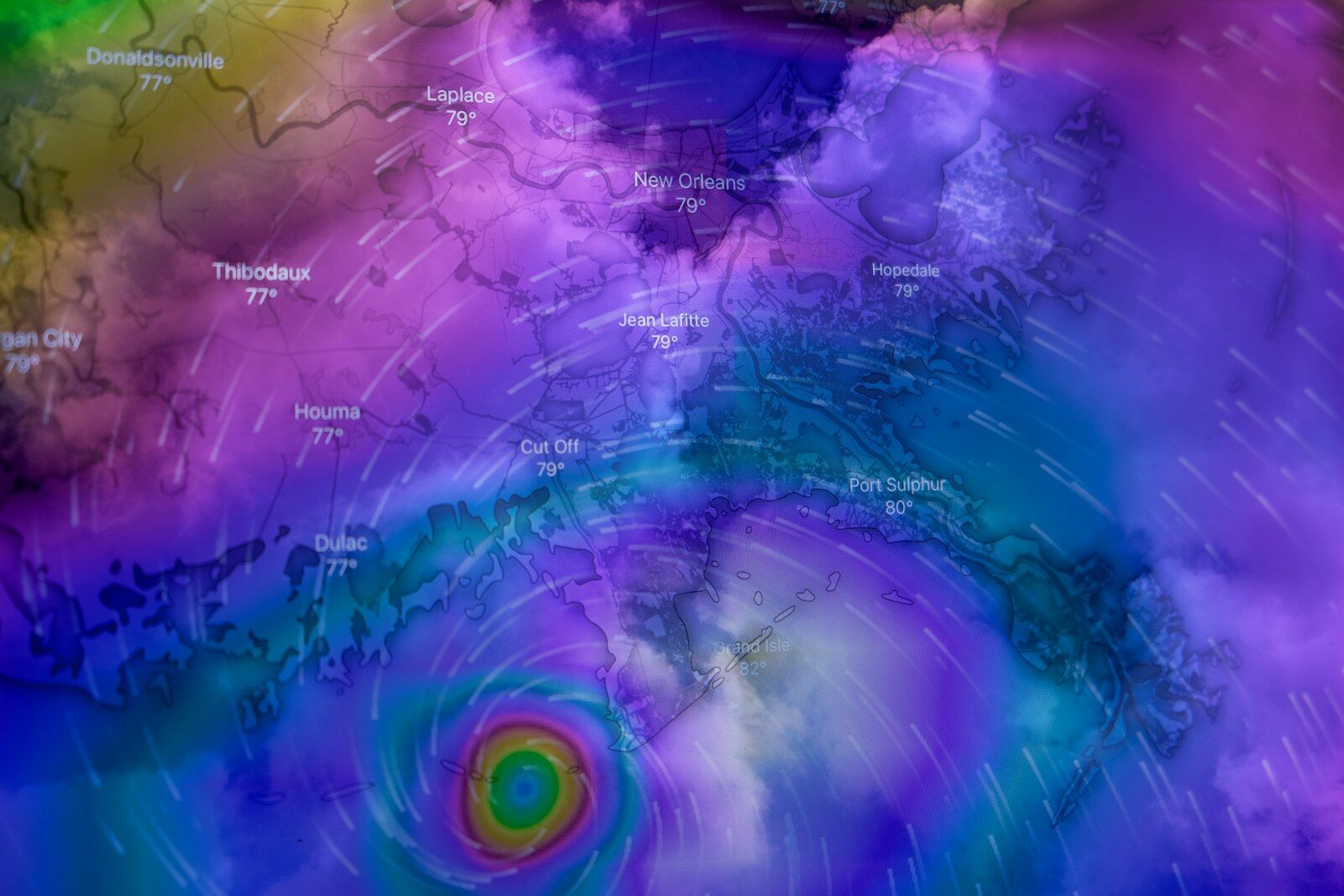
The 2026 Hurricane Forecast Looks Quieter, But We Still Need To Pay Attention
The 2026 Atlantic hurricane season is almost here, and the early news sounds calm at first. NOAA says this season may be below normal. That means we may see fewer storms than we do in a typical year.
But that does not mean we can shrug and move on.
A quiet forecast is not the same thing as a safe season. We have seen this before. One storm can still change a whole summer. One storm can flood streets, knock out power, close roads, and send families looking for help. So, yes, this forecast is good news. But it is not a free pass.
The Atlantic hurricane season runs from June 1 through November 30. NOAA’s 2026 outlook calls for 8 to 14 named storms. Of those, 3 to 6 may become hurricanes. And 1 to 3 may become major hurricanes, which means Category 3 or higher.
In other words, this season may be slower than usual. But it is still hurricane season.
Why This Forecast Is Getting Attention
This story is trending because it touches a lot of people. Even if you do not live right on the coast, hurricanes can still matter to you. Storms can move inland. They can bring rain, wind, flooding, tornadoes, and long power outages.
We saw that lesson in past years. Some of the worst damage from tropical systems has happened far from the beach. A storm can weaken and still dump heavy rain over a town that is not ready for it.
That is why this forecast is worth reading. It is not just for Florida, Texas, Louisiana, Georgia, Alabama, the Carolinas, or the Gulf Coast. It is for anyone who lives in a place that can feel the leftovers of a storm.
And, honestly, that is a lot of us.
What “Below Normal” Really Means
A below-normal forecast sounds simple. It means experts expect less storm action than the long-term average. The average Atlantic season has about 14 named storms, 7 hurricanes, and 3 major hurricanes.
NOAA’s forecast is lower than that.
But here is the key part: seasonal forecasts do not tell us where storms will go. They do not say which town will flood. They do not say which county will lose power. They do not say which road will wash out.
They only give us a broad view of the season.
Think of it like saying a highway may have less traffic this summer. That may be true. But it does not mean you cannot get stuck behind one bad wreck. In the same way, fewer storms can still mean one storm hits the wrong place at the wrong time.
That is why we should treat the forecast as useful, not final.
The El Niño Effect
2026 Money Reset That Feels Calm — Budget, Bills, Debt, and Savings. One big reason for the calmer forecast is El Niño.
El Niño happens when waters in part of the Pacific Ocean warm up more than normal. That change can affect weather across the globe. For Atlantic hurricanes, El Niño often adds more wind shear.
Wind shear is a change in wind speed or wind direction with height. A growing hurricane needs a fairly smooth setup. Strong wind shear can tilt or tear at a storm. That makes it harder for the storm to grow.
So, when El Niño is strong, Atlantic hurricane activity often drops.
That is the simple version.
But weather is not a light switch. El Niño can lower the odds of a busy Atlantic season, but it does not stop every storm. Warm ocean water, local weather patterns, and timing still matter.
A storm that forms close to land may not need many days to become a problem. These “homegrown” systems can spin up near the Gulf, the Southeast coast, or the Caribbean. They may not be the strongest storms on record, but they can still bring fast trouble.
Why Preparedness Still Matters
This is where we have to be honest with ourselves. Most of us do not prepare because a forecast tells us to. We prepare after we get scared.
That is human.
But it is also risky.
The best time to get ready is before the storm has a name. Before the store shelves are empty. Before gas lines grow. Before your phone starts buzzing with weather alerts.
Preparedness does not have to be dramatic. You do not need to build a bunker. You do not need to panic buy. You just need to make a plan that fits your home.
Start with water. Then food. Then medicine. Then flashlights, batteries, phone chargers, pet supplies, and a way to hear alerts if the power goes out.
Also, keep some cash if you can. Card machines may not work after a storm. Small bills can help when power and internet service are down.
Most of all, know where you would go if you had to leave. Do not wait until the last minute to figure out your route.
The Inland Risk We Forget
Many people think hurricanes are only a beach problem. That is not true. AI at Work in 2026 — How We Stop “Workslop” and Get Real Time Back.
Wind can move inland. Rain can move inland. Flooding can move inland. Tornadoes can spin up far from the coast. Trees can fall. Creeks can rise. Roads can close.
So, if you live inland, your plan may look different, but you still need one.
Instead of worrying about storm surge, you may need to think about flash flooding. Instead of boarding windows, you may need to think about trees near your home. Instead of evacuation zones, you may need to know which roads flood first.
This is not meant to scare us. It is meant to give us a clear head.
A clear head helps more than panic ever will.
How Families Can Keep It Simple
A family storm plan does not need to be fancy. It just needs to be clear.
Everyone should know where the flashlights are. Everyone should know where the medicine is. Everyone should know who to call if cell service is weak. Everyone should know what to do if the power goes out.
For kids, keep it calm and plain. Tell them storms can be loud, but adults are making a plan. Give them a small job. Maybe they help pack snacks, check batteries, or gather pet items. Small tasks can make a scary event feel less out of control.
For older adults, check medicine refills early. Also check oxygen needs, mobility needs, cooling needs, and backup power needs. A “small” outage can be a big deal when health is involved.
For pets, keep food, leashes, carriers, tags, and records ready. Many shelters and hotels have rules, so it helps to know your options before a storm forms.
The Forecast Can Change
NOAA and other weather groups update their outlooks as the season moves along. That matters because ocean water, air patterns, and El Niño can shift.
So, we should not treat the May forecast as the last word. It is the first big heads-up.
The peak of hurricane season usually comes later in the summer. August, September, and October are the months many people watch most closely. By then, the Atlantic is warmer, and the setup can change fast.
That does not mean June and July are safe. Early storms can still form. But the heart of the season often comes after many of us have stopped paying attention. How to Start a Hair Business Without Getting Lost in the Details.
That is why simple habits help. Check trusted weather sources. Keep alerts turned on. Do not rely on social media rumors. And when local officials say it is time to act, take it seriously.
A Quieter Season Is Still A Season
The 2026 outlook gives us a little room to breathe. That is good. We can be grateful for that.
But most of all, we should use that room well.
Instead of waiting for a storm, we can check our supplies. Instead of guessing about evacuation routes, we can look now. Instead of assuming someone else will handle it, we can talk with our family.
There is no need for fear. There is also no need for false comfort.
A below-normal forecast means the odds may be better. It does not mean the risk is gone.
So let’s take the good news for what it is. Let’s be glad the season may be calmer. Then let’s do the boring, useful things that help us stay safe.
That is the sweet spot. Calm, ready, and paying attention. 🌀
The 2026 Atlantic hurricane season is almost here, and the early news sounds calm at first. NOAA says this season may be below normal. That means we may see fewer storms than we do in a typical year. But that does not mean we can shrug and move on. A quiet forecast is not the…
The 2026 Atlantic hurricane season is almost here, and the early news sounds calm at first. NOAA says this season may be below normal. That means we may see fewer storms than we do in a typical year. But that does not mean we can shrug and move on. A quiet forecast is not the…