What Is a Health Science Degree?
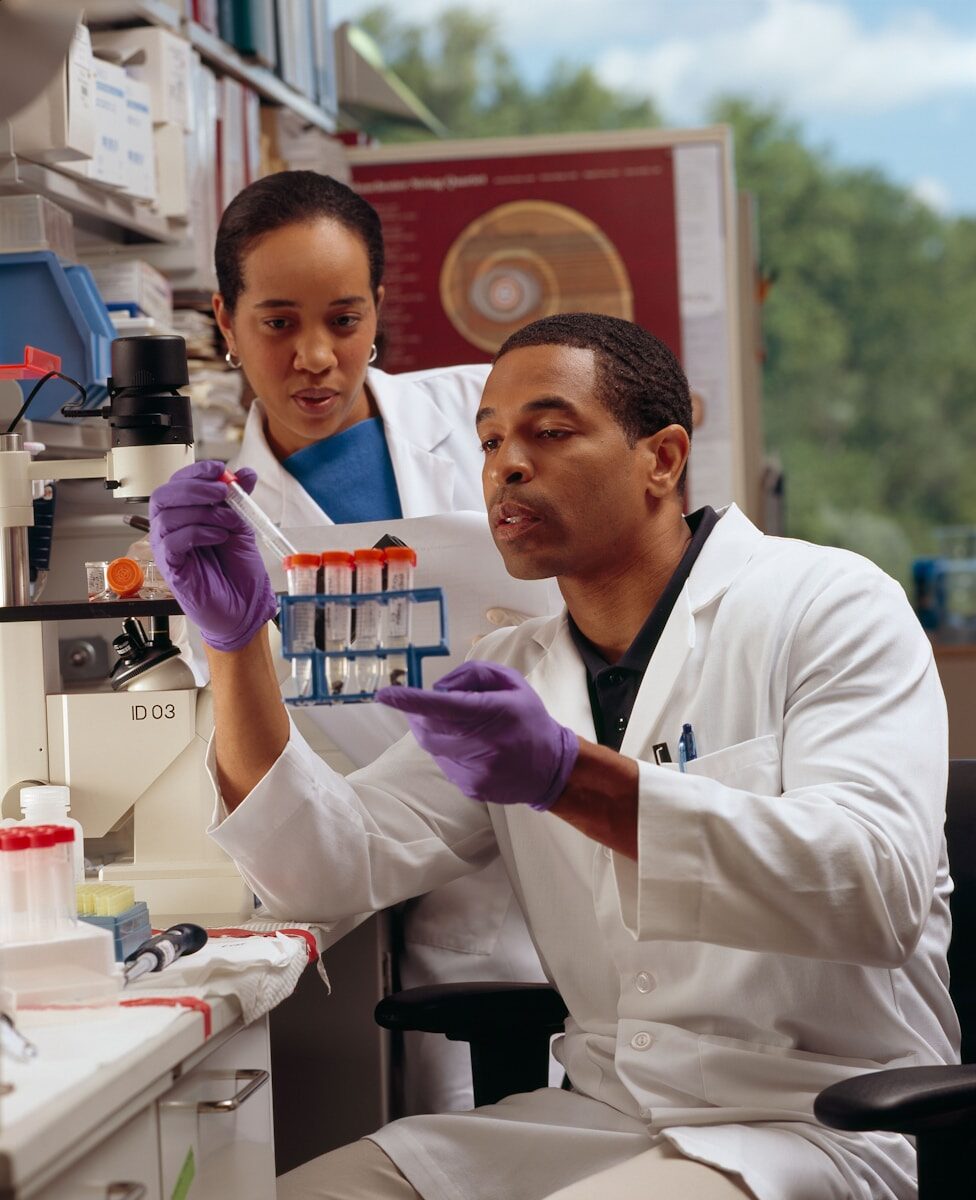
A health science degree is a college degree about health, care, science, and the systems that help people get well.
It is not the same as a nursing degree. It is not always a direct license to treat patients. Instead, it is often a broad degree. It can help students move toward health care jobs, public health, lab work, health education, health administration, or graduate school.
In other words, it is a flexible health care degree.
A Bachelor of Health Science often includes biology, anatomy, public health, medical terms, ethics, health systems, research, and patient care basics. Coursera describes a Bachelor of Health Science as a program that blends biological, physical, and social sciences with health care subjects and hands-on training.
That mix can be useful. Health care is not just doctors and nurses. We also need lab workers, health educators, care managers, medical office leaders, public health workers, rehab aides, and people who understand both science and people.
Some students use the degree to start working after graduation. Others use it as a stepping stone. They may apply to physician assistant school, physical therapy school, occupational therapy school, medical school, dental school, public health school, or health administration programs.
The University of Missouri says its health science degree can support students who want to continue into medicine, physician assistant studies, dentistry, physical therapy, occupational therapy, athletic training, health administration, and more.
So the degree can point in many directions. That is good. But it also means students need a plan.
If you want a licensed job, check the rules before you enroll. A health science degree alone may not make you a nurse, dental hygienist, physical therapist, or physician assistant. Those careers usually need specific programs, exams, and licenses.
Still, the degree can help you build a base. You may learn how the body works. You may learn how disease spreads. You may learn how hospitals run. You may learn how health data is used. You may learn how to talk with patients and families in a clear way.
Career options may include health educator, community health worker, medical sales support, clinical research assistant, patient care coordinator, health services assistant, public health program aide, or wellness coordinator. Some jobs may need extra training or certification. How Much Do Physical Therapists Make in California?
The job market is one reason people look at this field. The Bureau of Labor Statistics lists many health care roles with different education levels and pay ranges. For example, clinical laboratory technologists and technicians often need a bachelor’s degree, while other health jobs may need an associate degree, certificate, master’s degree, or professional degree.
Health care management is another path. BLS says medical and health services managers plan, direct, and coordinate the business work of health care providers. Some students may need graduate study or work experience to reach that level, but a health science degree can be a start.
The biggest mistake is thinking the degree means one clear job. It usually does not. It gives you a base. You still need to choose a direction.
Ask yourself a few plain questions. Do you want to work with patients? Do you want to work in a lab? Do you like data? Do you want to manage people? Do you want graduate school? Do you want a fast path into the workforce?
Those answers matter more than the degree name.
A Good Fit for Curious People
A health science degree can be a good fit if you like science, health, and helping people. It can also work well if you are not ready to choose one narrow health career yet. How Much Do Pharmacy Techs Make in California.
But look closely at each program. Check internships. Check job placement. Check graduate school paths. Ask what recent graduates are doing now.
The best health science degree is not just the one with the nicest brochure. It is the one that leads where you want to go.
A health science degree is a college degree about health, care, science, and the systems that help people get well. It is not the same as a nursing degree. It is not always a direct license to treat patients. Instead, it is often a broad degree. It can help students move toward health care jobs,…
A health science degree is a college degree about health, care, science, and the systems that help people get well. It is not the same as a nursing degree. It is not always a direct license to treat patients. Instead, it is often a broad degree. It can help students move toward health care jobs,…