November Vegetable Beds in the Arizona Low Desert: What to Sow and Transplant
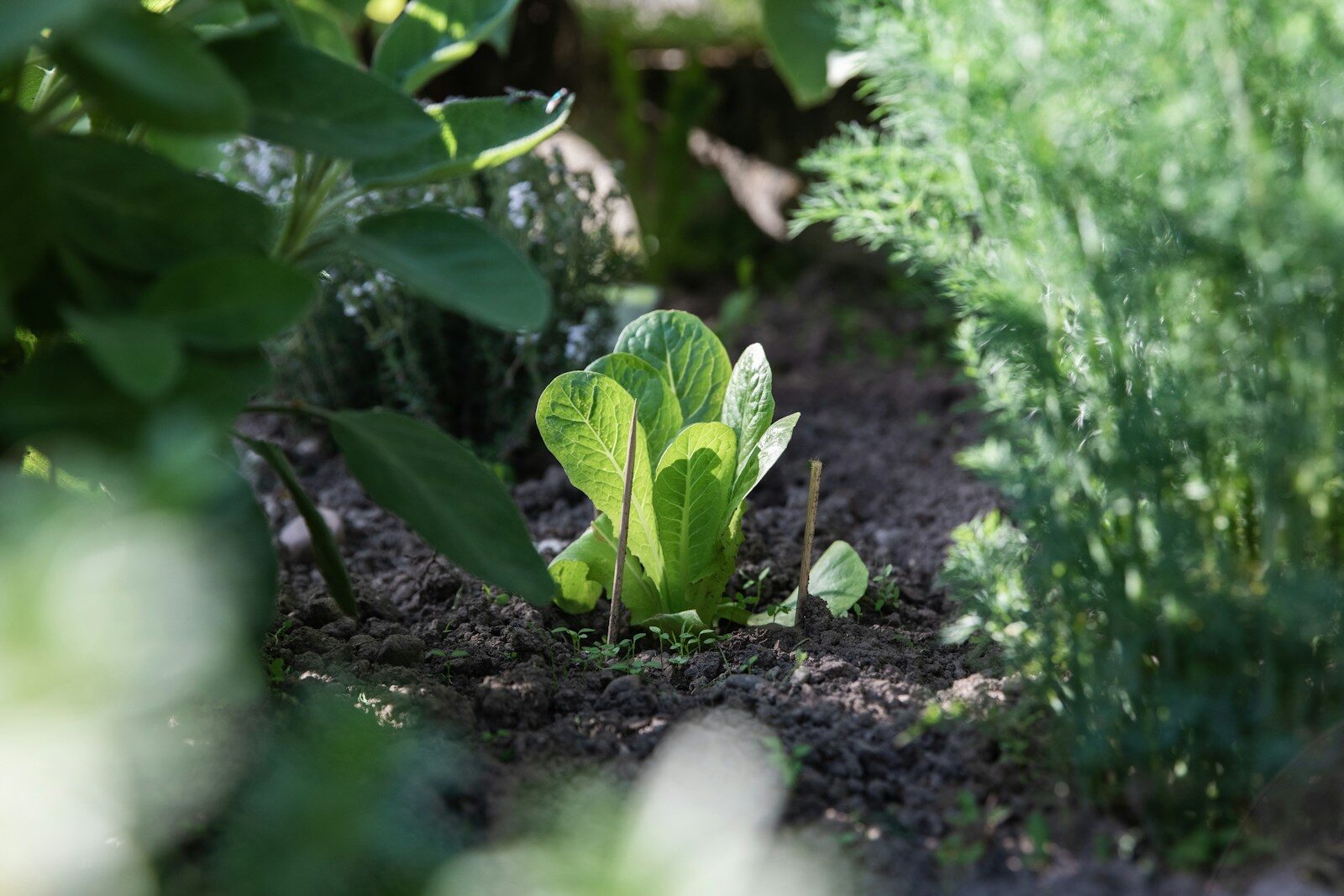
In the low desert, November can be one of the most pleasant times to grow vegetables. Summer crops are winding down, while carrots, peas, spinach and leafy greens have a chance to establish in milder weather.
The best plan starts with your exact climate. Phoenix and Yuma do not share the same frost pattern as higher parts of Arizona. Treat planting lists as a guide, then check soil moisture, sunlight and local forecasts.
Choose cool-season crops
Beets, carrots, peas, chard, spinach and turnips are among the seeds that fit a November low-desert garden.
Choose a few crops your household eats and read each packet for spacing and expected maturity.
Do not plant warm-season vegetables merely because one afternoon feels hot.
Use transplants for slow brassicas
Broccoli, cabbage and cauliflower can gain time when set out as healthy young plants.
Choose compact transplants with firm stems and no circling roots. Plant at nursery depth. See our container herb growing guide for a related practical step.
Avoid large root-bound starts that have sat too long in small cells.
Prepare soil without overworking it
Garden beds need drainage and enough organic matter to support roots. Desert soil can crust after irrigation.
Work in finished compost where appropriate and level the bed so water spreads evenly.
Do not add fertilizer before checking what the soil actually needs.
Sow small seeds carefully
Carrots and lettuce need shallow, even sowing. Heavy irrigation can wash them into piles.
Make a fine seedbed, sow to packet depth and use a gentle spray until seedlings establish. See our seasonal irrigation advice for a related practical step.
Do not let the surface dry hard during germination.
Water for the season
Cool weather reduces evaporation but does not remove the need for moisture around young roots.
Check the soil below the surface and adjust irrigation frequency while keeping each watering deep enough. For a related example, read carrot bed preparation guide.
Avoid soggy beds that invite disease.
Protect tender seedlings
Cutworms, birds and sudden cold can damage small plants before they gain strength.
Use physical barriers or light row cover where needed and check beneath covers often. The Arizona Extension’s November planting calendar gives further official guidance.
Do not leave heavy fabric pressed against delicate leaves.
Plan for succession
A single sowing may produce more greens than a family can eat at once.
Plant short rows a week or two apart when temperatures suit the crop and keep notes on harvest dates. See our garden weed control for a related practical step.
Do not force repeated sowings if the soil is too cold or wet.
Harvest and learn
Cool-season gardens reward regular visits. Picking outer leaves and thinning roots can improve quality.
Record which varieties grew well, which beds stayed damp and where pests appeared.
Change one variable at a time so next season’s results make sense.
A useful next step
Pick the one action that removes the biggest risk or obstacle, do it today and record the result. A short, repeatable routine usually works better than an ambitious checklist nobody follows.
Questions gardeners ask in November
What can I direct-sow in November?
Cool-season roots and leafy greens are good candidates when the soil and forecast are suitable. Radishes, carrots, turnips and selected lettuces can be sown in a fine seedbed. Follow packet depth and spacing, then keep the surface evenly moist through germination. Do not sow an entire packet in one short row. A few carefully spaced plants often produce a better harvest.
Can I grow tomatoes now?
A warm November afternoon does not remove frost risk. Tomatoes are tender and may struggle when nights turn cold, especially outside the lowest desert areas. Check local planting calendars and your microclimate before buying starts. Cool-season greens and roots are often a more reliable choice for this window. If you experiment with tomatoes, be prepared to protect them and accept a shorter season.
How should I water a seedbed?
Small seeds need moisture near the surface until they germinate, but heavy irrigation can wash them into clumps. Use a gentle spray and inspect the soil daily during establishment. Once roots grow deeper, shift toward watering that moistens the root zone without leaving the bed saturated. Adjust after rain and windy days. A summer irrigation timer is not a reliable November guide.
How do I control caterpillars?
Inspect leaves and identify the pest before choosing a treatment. Hand removal may be enough in a small garden. Row covers can keep some moths from laying eggs when installed before infestation. If a pesticide is needed, use one specifically labelled for the vegetable and pest, and follow harvest intervals. A product used on flowers is not automatically appropriate for edible crops.
Can I grow vegetables in containers?
Yes. Use pots with drainage holes and enough depth for the roots. Lettuce and many herbs suit modest containers, while long carrots need more room. Choose potting mix rather than dense garden soil. Check moisture by touch, because an exposed patio can dry quickly even during cool weather. Containers can also be moved into shelter when an unusually cold night is forecast.
How can I keep harvesting longer?
Plant small batches of quick-growing crops instead of sowing everything at once. Pick outer leaves from leafy vegetables where appropriate and thin root crops to their final spacing. Record the sowing and harvest dates so you know what worked. If a crop bolts or becomes bitter, change the next planting window rather than assuming the seed was poor. A little recordkeeping improves every season.
In the low desert, November can be one of the most pleasant times to grow vegetables. Summer crops are winding down, while carrots, peas, spinach and leafy greens have a chance to establish in milder weather.
In the low desert, November can be one of the most pleasant times to grow vegetables. Summer crops are winding down, while carrots, peas, spinach and leafy greens have a chance to establish in milder weather.