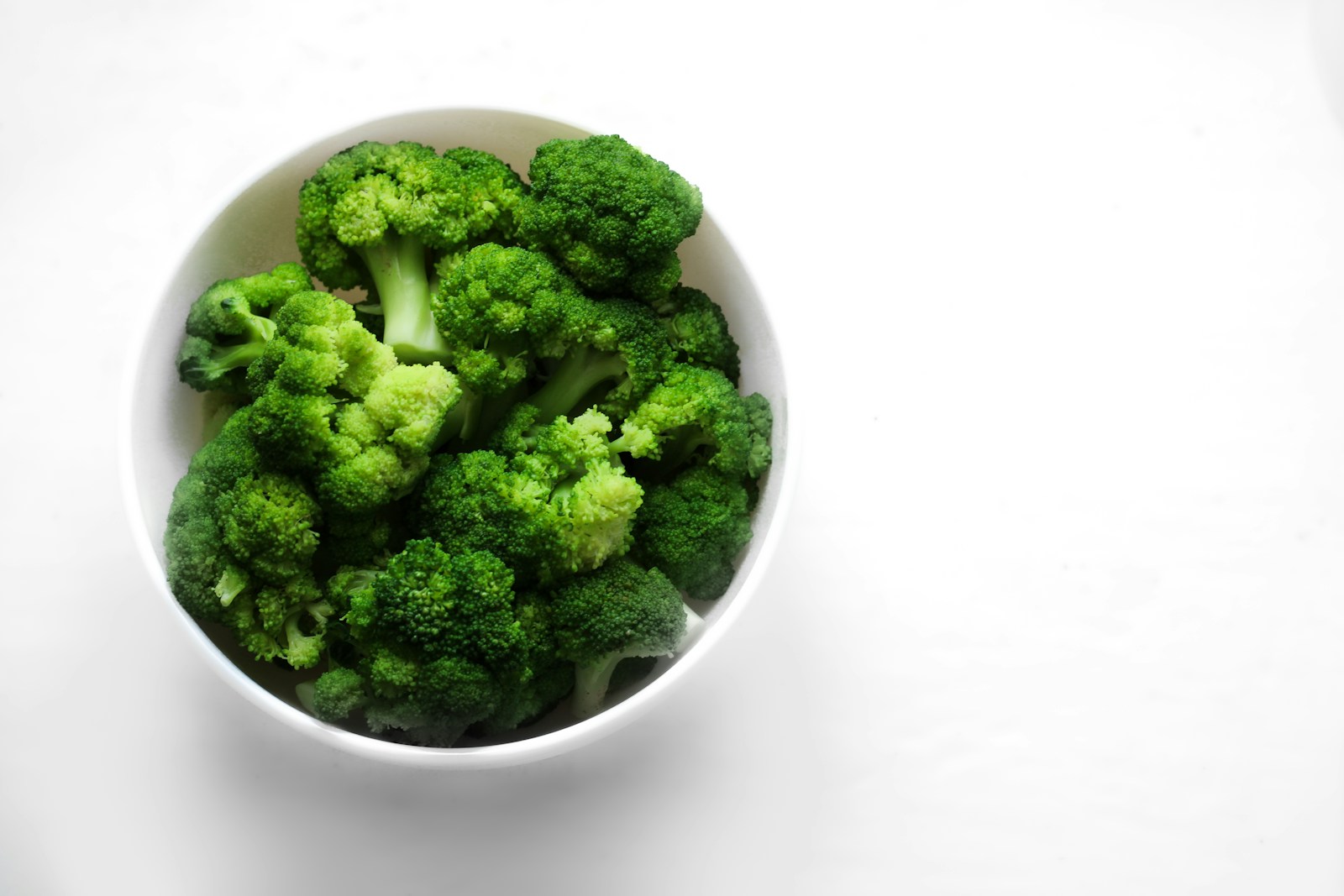
Broccoli Microgreens: Tiny Greens With Big Power
Broccoli makes a wonderful microgreen. It is easy to grow, fast to harvest, and full of a mild, fresh flavor that tastes like soft baby broccoli or cabbage. Instead of needing a big garden bed and a long season, you get tender greens in about a week and a half, right on your counter.
In other words, these tiny shoots let us bring a whole lot of nutrition into a very small space and a very simple daily routine.
Why Broccoli Microgreens Stand Out
Broccoli microgreens are the young seedlings of regular broccoli. They are harvested when they are only a couple of inches tall and have their first true leaves. At this stage they are crisp, juicy, and easy to eat.
Even though they are small, they hold a dense mix of nutrients. Studies show that broccoli microgreens can be rich in vitamins A, C, E, and K, along with minerals like calcium, magnesium, and potassium.
Broccoli microgreens also shine because of a plant compound called sulforaphane. This compound comes from special sulfur-based molecules found in broccoli and other crucifer vegetables. Research shows that broccoli microgreens can match or even beat sprouts and mature broccoli in the amount of sulforaphane precursors they carry. (PMC)
In other words, you get a big dose of broccoli goodness in each small handful of greens.
Health Perks in Every Bite
Gentle Immune Support
Broccoli microgreens bring a mix of vitamin C and other antioxidants that support your immune system day after day. These nutrients help your body deal with normal wear and tear from stress, sun, and daily life.
Instead of relying only on large, heavy servings of cooked vegetables Hens and Chicks That Laugh At The Cold, we can sprinkle a small amount of microgreens onto meals and still push our vitamin intake in a helpful direction.
Antioxidants and Cell Protection
The bright green color hints at what is inside. Broccoli microgreens contain antioxidants such as vitamin E and beta-carotene. These compounds help the body manage free radicals, which can damage cells over time.
After more than one bowl of microgreen salads, many people notice that they feel a little lighter and fresher. That feeling comes from steady, gentle support rather than a quick fix.
Sulforaphane and Metabolic Health
Sulforaphane is one of the main reasons many people seek out broccoli microgreens. Research links this compound to support for normal inflammation balance, healthy detox pathways in the liver, and better handling of blood sugar. Some work suggests that concentrated broccoli microgreen powders may help people with blood sugar concerns, alongside medical care and lifestyle changes. (PMC)
In other words, these greens fit well into a long-term plan for metabolic health, not as a cure-all, but as one more simple, daily tool.
Easier To Eat Than Mature Broccoli
Broccoli microgreens are soft, mild, and low in fiber compared to full heads of broccoli. That means they are usually easier to chew and gentler on digestion for many people, while still supplying a concentrated mix of vitamins and minerals.
Instead of forcing big servings of steamed florets onto a plate, you can fold a small handful of microgreens into foods you already enjoy.
What You Need To Grow Broccoli Microgreens
Growing broccoli microgreens at home stays simple. You only need a short list of tools and supplies.
- A shallow tray with drainage holes, about 10×20 inches
- A second tray without holes to act as a water catch
- A fine-textured growing medium, such as seed-starting mix or coco coir
- Broccoli microgreen seeds
- A spray bottle or gentle watering can
- A simple light source, such as a bright window or a small LED grow light
- Scissors or a clean knife for harvest
Many growers like standard seeding rates of about 15 to 20 grams of seed per 10×20 tray for broccoli microgreens. This gives a dense, lush mat of greens without crowding them to the point of rot.
But most of all, the real “must-have” is a little bit of curiosity and the willingness to check the tray once or twice a day.
Step-by-Step: From Seed To Harvest in About 10 Days
1. Prepare and Fill the Tray
Fill the tray with your growing medium to about 1 to 1.5 inches deep. Smooth the surface The Easy-Care Succulent Workhorse For American Gardens with your hand or a small board, but keep it airy and not packed hard.
Lightly water the soil until it is evenly moist but not soggy. In other words, you want no standing water, but the surface should feel damp to the touch.
2. Sow the Seeds
Weigh out your broccoli seeds and sprinkle them evenly over the surface. Aim for an even “seed carpet” with no large bare spots and no heavy clumps. Tap the tray gently so the seeds settle into contact with the soil.
Some growers like to press the seeds in very lightly with a clean board or their hand to ensure good contact.
3. Stack and Cover for Germination
Place a second tray directly on top of the seeds and add a small weight, such as a book or another tray. This “blackout” period keeps the seeds in the dark and helps them send roots down into the soil.
Broccoli microgreens usually germinate in 2 to 3 days under these conditions.
During this time, keep the tray in a mild room temperature space and check once a day. If the soil feels dry, mist it lightly before replacing the cover tray.
4. Move to Light
When you lift the cover and see a forest of pale yellow or light green shoots, it is time to bring them into the light. Remove the top tray and place the growing tray near a bright window or under grow lights.
The stems and leaves will turn a rich green over the next day or two. Continue to keep the soil moist. Many growers like to water from the bottom by adding water to the catch tray and letting the roots pull it up.
5. Grow To the First True Leaves
Broccoli microgreens reach harvest size in about 7 to 10 days from sowing, sometimes a little faster or slower depending on room temperature and light.
You know they are ready when:
- The stems are two to three inches tall
- The seed leaves (cotyledons) are fully open
- The first small “true” leaves begin to show between them
Instead of waiting for them to grow tall and floppy, harvest when they look dense, bright, and sturdy.
6. Harvest With Care
Use clean, sharp scissors or a knife. Hold a small bunch of shoots and cut just above the soil surface. Work your way across the tray, and drop the cut greens gently into a bowl or container.
Do not wash them until you are ready to eat, unless they are visibly dirty. If you do rinse them Rosette Succulents That Look Like Living Flowers, dry them well with a clean towel so they stay crisp in the fridge.
Safety and Clean Handling
Microgreens grow in warm, moist conditions. Those are the same conditions that can support harmful bacteria. For this reason, clean habits matter.
Simple steps help keep the greens safe:
- Wash your hands before working with seeds or trays
- Clean and, if possible, sanitize trays between batches
- Use fresh, good-quality seed labeled for sprouting or microgreens
- Avoid standing water in or under the tray
- Store harvested greens in a clean, sealed container in the refrigerator
- Eat them within a few days for best quality
In other words, treat your microgreens like fresh salad greens. A bit of care goes a long way.
Easy Ways To Use Broccoli Microgreens
Broccoli microgreens slip into many everyday meals without any fuss.
Some easy ideas:
- Sprinkle over salads for a mild, nutty, broccoli-like crunch
- Add a small handful to sandwiches and wraps instead of lettuce
- Top scrambled eggs, omelets, or breakfast bowls
- Stir into grain bowls, rice dishes, or quinoa just before serving
- Blend into smoothies with fruit and yogurt for a gentle nutrient lift
- Use as a garnish on soups, pasta, and stir-fries just before you eat
But most of all, keep the habit simple. When the greens are ready on your counter or waiting in the fridge, you can grab a pinch here and there rather than From Tough Desert Plant To Sweetener And Spirit planning a perfect “microgreen recipe.”
Growing for Budget, Waste Reduction, and Variety
Buying microgreens at the store can get expensive, especially if you want them every week. Growing them at home changes that picture.
Because broccoli microgreens grow in about 7 to 10 days and take only a thin layer of soil, you can harvest many trays from one bag of seed. Researchers have found that microgreens can hold higher levels of vitamins and phytonutrients per gram than mature vegetables, which means each tray packs a lot of nutrition into a small harvest. (PMC)
In other words, a small shelf or windowsill can act like a tiny, steady supply of fresh, nutrient-dense food.
You also cut down on waste. You grow only what you will eat in a week or so. There is no half-used head of broccoli wilting in the fridge drawer.
And you gain variety. Once you feel comfortable with broccoli microgreens, it is easy to add trays of radish, pea, sunflower, kale, or other brassica mixes beside it. The method stays almost the same, but the flavors change.
Everyday Kitchen Greens, Grown By You
Broccoli microgreens give us a helpful mix of things that matter in real, daily life. They are fast to grow, simple to manage, and gentle in flavor. They let us bring more vitamins, minerals, and powerful plant compounds like sulforaphane into our meals without a big shift in how we cook or eat.
Instead of chasing complex wellness trends, we can keep a tray or two of these tiny greens going as a quiet, steady habit. A handful on breakfast, lunch, or dinner becomes part of the background of our days.
After more than one harvest, most people find that growing broccoli microgreens feels less like a project and more like a normal kitchen routine. A tray is sown, another is eaten, and the cycle continues. The result is simple: fresh, bright, living food that we grow with our own hands, right where we live.
Broccoli makes a wonderful microgreen. It is easy to grow, fast to harvest, and full of a mild, fresh flavor that tastes like soft baby broccoli or cabbage. Instead of needing a big garden bed and a long season, you get tender greens in about a week and a half, right on your counter. In…
Broccoli makes a wonderful microgreen. It is easy to grow, fast to harvest, and full of a mild, fresh flavor that tastes like soft baby broccoli or cabbage. Instead of needing a big garden bed and a long season, you get tender greens in about a week and a half, right on your counter. In…