Fall 2026 Home Weatherization: Stop Drafts Before Buying New Equipment
Cooling and heating bills can be frustrating, especially when a room still feels drafty despite the thermostat running. Before buying another expensive device, check the simple places where unwanted air moves through the home.
A fall weatherization check does not need to become a major renovation. Measure gaps, inspect doors and windows, match the repair to the cause, and avoid sealing anything required for safe ventilation.
Start by Finding the Real Draft
Many homeowners buy weatherstripping because they can feel cold air at one window, but the largest leak may be somewhere else. Close exterior doors and look for daylight around the edges. Check whether the door sweep reaches the threshold without scraping hard. On a windy day, feel for moving air near windows, attic hatches, and plumbing penetrations.
Air movement matters in summer too. A leaky door can admit hot humid air during the cooling season and cold air during a winter night. Mark the places you suspect rather than trying to seal every surface at once. If the door itself is badly misaligned, replace or adjust damaged hardware before adding layers of adhesive foam.
Match the Seal to the Gap
Weatherstripping belongs where parts move, such as a door or opening window. Caulk is generally for a fixed joint. A foam tape that works on a narrow gap may fail where the door compresses it too hard. Measure the opening and test the material before applying a full strip.
A basic Grotheory adhesive door sweep is one inexpensive option to compare for the bottom of a compatible door. The useful measurement is the actual gap, not just the product’s length. If the door sweeps over thick carpet or an uneven floor, a different style may make more sense.
Do Not Seal a Problem You Cannot See
Some drafts come from damaged siding, water intrusion, or missing insulation rather than a worn door strip. If an opening is wet, rotting, or visibly moving, find the underlying cause. Covering a serious problem with tape is likely to hide it temporarily rather than fix it.
Homes with gas appliances, fireplaces, or other combustion equipment also need safe ventilation. Avoid sealing flues or intentional combustion-air openings. Large projects or suspected ventilation issues deserve a qualified professional who can assess the whole house instead of just one drafty room.
Check the Habits Before the Hardware
A good seal is wasted if exterior doors stay open or heating and cooling run while windows are cracked. Look at thermostat schedules, filters, and the rooms people use most. A comfortable home is not necessarily a home held at one temperature all day.
If you are deciding whether a larger energy investment makes sense, our renewable-energy overview provides broader context. But you do not need a solar proposal to benefit from a basic inspection and a well-fitted door seal.
Give Windows an Honest Inspection
Look for worn gaskets, cracked caulk where trim meets the wall, and gaps at moving sashes. Replacing a worn seal can be a sensible small repair. If glass itself is cracked or the frame is rotting, the repair may be beyond ordinary weekend weatherstripping.
Do not apply thick material that prevents a window from closing or locking securely. Clean the surface and follow the adhesive’s temperature instructions. Work on one opening, test it, and only then repeat the process. It is easier to correct a poor fit before doing the entire house.
Think About Humidity and Indoor Air
Sealing leaks helps heating and cooling equipment work with less unwanted outdoor air, but every house still needs adequate ventilation. Watch for new condensation and moisture accumulation after major changes. In kitchens and bathrooms, use exhaust systems appropriately and address any roof or plumbing leaks.
An Arizona room can be a comfortable transition space between indoors and outside, yet it illustrates why not every enclosed area has the same insulation or cooling needs. Treat conditioned living space differently from a screened or partially enclosed porch.
Bills Need Context
An energy bill changes with weather, rates, household behavior, and equipment condition. Compare usage over similar periods rather than declaring a single month’s decline proof that a door sweep paid for itself. Keep receipts for repairs and note major thermostat changes so later comparisons are fair.
Energy-cost support also varies by country and program. A separate Le Bun guide to the UK’s Warm Home Discount shows how household assistance is handled in a different system; US homeowners should check programs available through their own utility and state rather than assuming UK eligibility.
When to Call for a Home Energy Assessment
If you repeatedly find drafts but cannot identify their source, a blower-door test and professional home assessment can point toward larger leaks. That can be more useful than buying a new gadget every weekend. Ask for prioritized recommendations that include insulation, ducts, ventilation, and practical costs.
The US Department of Energy’s weatherization overview explains why a whole-house approach evaluates the shell, equipment, safety, and ventilation together. Start small where the problems are obvious, and look for expert help when the diagnosis is not clear.
Affiliate disclosure: qualifying purchases may earn a commission.
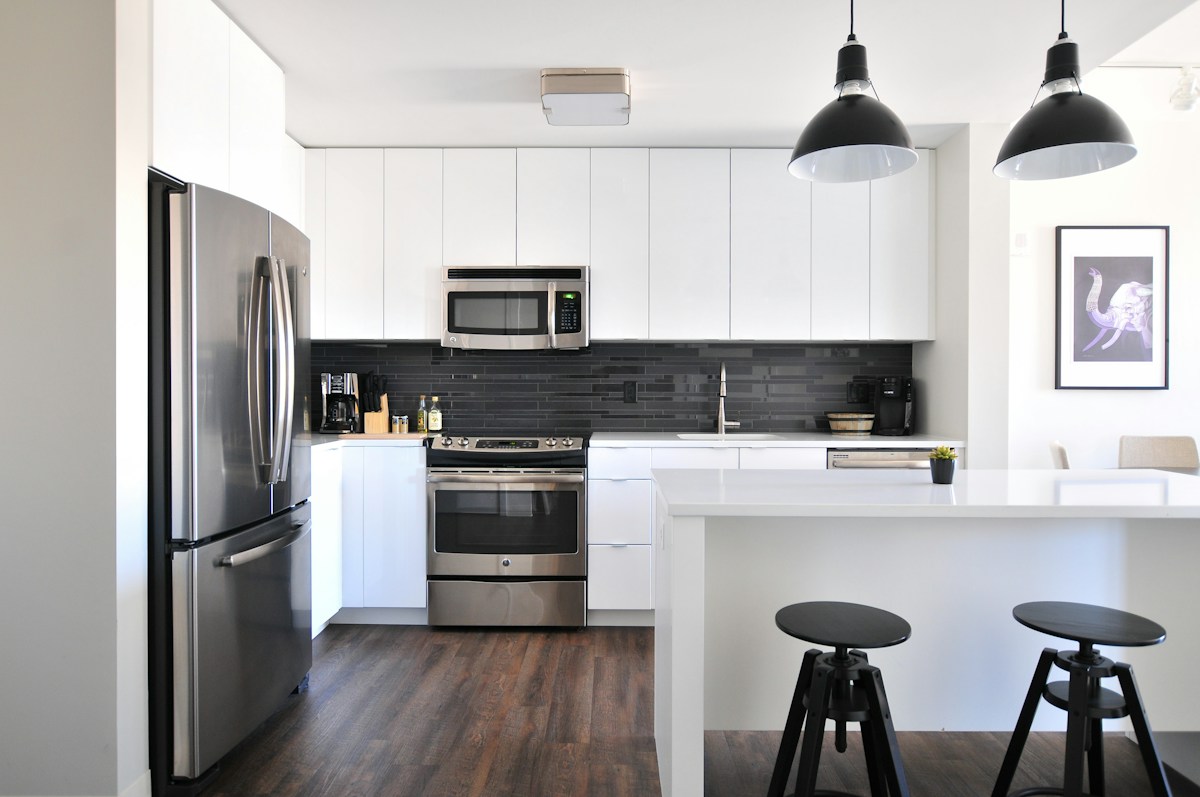
A practical fall checklist for finding drafts, choosing weatherstripping, checking window seals, and knowing when to ask for a home energy assessment.
A practical fall checklist for finding drafts, choosing weatherstripping, checking window seals, and knowing when to ask for a home energy assessment.