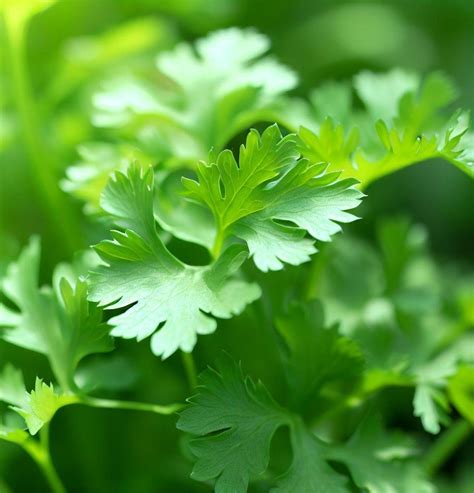
Organic Slow Bolt Cilantro: More Leaves, Less Bolting
Organic Slow Bolt Cilantro is the answer for gardeners who love fresh cilantro but hate watching it race to seed the second the weather warms up. This non-GMO, heirloom strain of Coriandrum sativum stays leafy longer than standard cilantro, giving you a longer harvest window and a bigger payoff from every seed you sow.
You get tender, aromatic leaves for salsa, guacamole, curries, pho, and stir-fries, plus fragrant coriander seeds later in the season for your spice rack, tea blends, or homemade herbal remedies.
Quick Variety Snapshot
- Botanical name: Coriandrum sativum
- Common names: Cilantro, coriander, Chinese parsley
- Type: Cool-season annual herb
- Status: Non-GMO, heirloom, certified organic seed (when sold as such)
- Days to maturity: About 45–55 days for leaves; 90+ days for coriander seed
- Habit: Upright, airy plants about 12–24″ tall with soft, lacy leaves
- Special feature: Slow-bolting genetics for a longer leafy harvest in warming weather
- Use: Fresh leaves and stems (cilantro), dried seeds (coriander), roots in some cuisines, and flowers for pollinators
A Very Old Herb With Global Roots
Cilantro is one of the oldest cultivated herbs. Archaeologists have found its seeds in ancient sites around the Mediterranean, and written records from early civilizations mention coriander as both a seasoning and a medicinal plant Rosemary That Lasts for Years.
Botanists describe Coriandrum sativum as native to the broader Mediterranean and nearby regions, including parts of North Africa and western Asia. From there it spread along trade routes into Europe, India, the Middle East, and eventually the Americas.
Today in the United States, cilantro leaves show up in tacos, salsas, ceviche, chutneys, pho, curries, and countless fusion dishes. The dried seeds, known as coriander, add warm citrus notes to pickles, baked goods, sausages, chai, and spice blends like garam masala.
Slow Bolt Cilantro keeps that whole history, but adds something very practical for modern home gardens: a longer leafy season before the plant sends up a flower stalk.
What “Slow Bolt” Really Means
All cilantro is wired to bolt—that is, to flower and go to seed—once days get long and temperatures climb. In hot weather, standard strains may shoot up and bloom so fast you only get a couple of decent harvests of leaves.
Slow Bolt types are bred to delay that switch. They still eventually bloom, but they:
- Stay in the leafy stage longer
- Give you more harvests before flowering
- Tolerate the transition from cool spring to early summer better than standard cilantro
You still treat Slow Bolt Cilantro as a cool-season crop. It simply dirtiest cruise ships forgives you a bit more when late spring heat hits or when a warm spell rolls through in fall.
How to Grow Organic Slow Bolt Cilantro in the U.S.
Best climate and timing
Cilantro is a cool-season annual. It grows happiest when daytime temperatures sit somewhere between about 50°F and 75–80°F and soil stays cool and moist but never soggy.
In most U.S. regions, that means:
- Spring sowing: Direct sow 2–4 weeks before your average last frost date.
- Fall sowing: Sow again 6–8 weeks before your first expected fall frost.
- Mild-winter zones (Deep South, Gulf Coast, much of the Southwest): Main cilantro season runs fall through winter into early spring, with summer often too hot.
Succession planting—sowing a small patch every 2–3 weeks—keeps fresh cilantro coming as older plantings age and newer ones take over.
Light and soil
Slow Bolt Cilantro likes:
- Light: Full sun in cool weather; part shade or morning sun and afternoon shade as heat builds.
- Soil: Well-drained, fertile soil rich in organic matter; pH near neutral is ideal but not fussy.
Work in compost or a balanced organic fertilizer before planting. Cilantro has a taproot, so avoid compacted soil. Raised beds and roomy containers are excellent options.
Direct sowing seeds
Cilantro strongly prefers to be direct sown. The taproot dislikes being disturbed. (Wisconsin Horticulture)
Basic planting steps:
- Seed depth: ¼–½ inch deep
- Row spacing: 8–12 inches between rows or bands of seed
- In-row spacing: Sow thickly, about 1 inch apart; you will thin later
Keep the top layer of soil evenly moist until seedlings emerge. Cilantro usually sprouts in about 7–10 days under good conditions.
For containers, choose a pot at least 8–10 inches deep to make room for the taproot and ensure drainage.
Thinning and everyday care
Once seedlings reach a couple of inches tall, thin them:
- Leaf harvest spacing: 3–4 inches between plants for lush leafy growth
- Seed harvest spacing: 4–6 inches between plants if you plan to let them bloom and set coriander
Use the thinnings as baby cilantro in the kitchen.
Keep soil consistently moist but not waterlogged. Cilantro likes “medium moist” conditions; letting it dry out hard and then flooding it can stress plants and speed up bolting. Mulch helps keep roots cool and evens out moisture.
Harvesting Slow Bolt Cilantro Leaves
Cilantro is ready for light harvest when plants reach about 4–6 inches tall, and more regular cutting once stems are 6–8 inches tall.
To keep plants productive:
- Harvest outer stems first, leaving the center leaves to keep growing puerto rico national food.
- Cut no more than about one-third of the plant at a time.
- Harvest at least weekly in good weather to prevent plants from sitting too long and deciding to bolt.
Slow Bolt Cilantro will still have a limited life span—usually two to three months of good leafy production—but those regular cuts stretch it out and give you a lot of herbs in that window.
For short-term storage, stand trimmed stems in a glass of water in the refrigerator and loosely cover with a plastic bag. For longer storage, chop leaves and freeze them in ice cube trays with water or oil.
Letting Plants Flower and Harvesting Coriander Seeds
Once weather gets hot enough, even Slow Bolt Cilantro will shift into flowering. At this point, leaves take on a more intense flavor, and the plant sends up delicate white flower umbels that draw in beneficial insects.
If you want coriander:
- Leave some of your healthiest plants to bloom.
- After flowering, watch for the green seed pods to turn tan or light brown on the plant.
- When most seed heads are dry, snip them into a paper bag.
- Rub the heads between your fingers and let the round seeds fall free. (Reddit)
Allowing seeds to fully brown on the plant gives better flavor and ensures maturity for replanting. Most cilantro strains, including slow-bolt types, reach mature seed in roughly 90–110 days from sowing, depending on climate.
Save some seeds for your spice jars and some for planting. Stored cool, dark, and dry, coriander seed can stay viable for several years.
Everyday Uses for Leaves, Seeds, and More
Slow Bolt Cilantro is a true dual-purpose herb.
Leaves and stems
Fresh cilantro brings bright, citrusy, slightly peppery notes. In a typical U.S. kitchen, it shows up in:
- Salsas, guacamole, tacos, burritos, and ceviche
- Thai, Vietnamese, and Chinese soups and noodle dishes
- Indian curries, chutneys, and raitas
- Grain bowls, salads, and fresh herb sauces like chimichurri
Seeds (coriander)
Coriander seeds turn warm and aromatic as they dry. They shine in:
- Pickling spice blends and brines
- Curry powders, garam masala, and ras el hanout
- Sausages and roasted vegetables
- Herbal teas, digestive blends, and some aromatherapy uses
Flowers and roots
The lacy white flowers are edible and make pretty garnishes. The roots, used often in Southeast Asian cooking, have a concentrated cilantro flavor and can be blended into curry pastes and marinades.
From Cool-Season Patch to Spice Rack Treasure
Organic Slow Bolt Cilantro earns its keep from seed to seed. You sow a simple cool-season herb and get weeks of fragrant, deep green leaves. As the weather shifts jigme dorji national park, those same plants send up bee-friendly blossoms and then fill with plump, citrus-scented coriander seeds for your pantry and future plantings.
With a little timing, some shade as heat builds, and steady moisture, this heirloom strain gives U.S. gardeners a much longer cilantro season than standard types—plus a built-in source of organic coriander for every jar, rub, and tea blend that comes out of the kitchen.
Organic Slow Bolt Cilantro is the answer for gardeners who love fresh cilantro but hate watching it race to seed the second the weather warms up. This non-GMO, heirloom strain of Coriandrum sativum stays leafy longer than standard cilantro, giving you a longer harvest window and a bigger payoff from every seed you sow. You…
Organic Slow Bolt Cilantro is the answer for gardeners who love fresh cilantro but hate watching it race to seed the second the weather warms up. This non-GMO, heirloom strain of Coriandrum sativum stays leafy longer than standard cilantro, giving you a longer harvest window and a bigger payoff from every seed you sow. You…