Sedum: The Easy-Care Succulent Workhorse For American Gardens
Sedum is one of those plants that quietly solves problems in a yard.
It covers bare soil, shrugs off heat, feeds pollinators, and still looks good when other perennials fade.
Across the United States, gardeners use sedum in rock gardens, front-yard xeriscapes, pots on balconies, and even on green roofs over city sidewalks. These tough little succulents ask for very little and give back color, texture, and late-season flowers.
If you garden in a place with hot summers, water limits, or thin rocky soil, sedum fits right into real life.
Sedum In Plain Language
Sedum, often called stonecrop, is a large group of succulent perennials with thick, waxy leaves that store water. Many species grow as low mats, while others form upright clumps with flower heads that stand knee high or taller.
Botanists place sedums in the Crassulaceae or stonecrop family. In recent years, some upright types have been moved into a related genus called Hylotelephium, but in garden centers across the U.S. they still sit on the bench marked “Sedum” or “Stonecrop.”
Most sedums are hardy in a wide band of USDA Zones, often from Zone 3 up through Zone 9 or 11 depending on the type. That range covers a large part of the country, from cold northern states to warm southern and coastal regions.
The basic idea stays simple.
Sedum loves sun, hates wet feet, and thrives in lean, well-drained soil where many fussy plants fail.
Why Sedum Works So Well In U.S. Gardens
Built-In Drought Tolerance
Sedum leaves and stems act like small water tanks. The tissue stores moisture so the plant can ride out dry spells without constant irrigation. That trait makes sedum a natural fit for western states and for anyone dealing with watering restrictions.
Once a sedum patch is established in the ground, it usually needs only occasional deep watering during extreme drought. In many climates, normal rainfall is enough.
Happy In Rough Soil
Sedum does not need rich, dark earth. It grows well in sandy, gravelly, or rocky soil as long as water drains away instead of sitting around the roots. This habit is one reason sedum shows up in rock gardens, along driveways, in parking-lot islands, and on walls.
On new home sites or older properties with poor fill soil, sedum can help cover bare ground while other plants struggle.
Low Maintenance
Most sedums ask for very little after the first season. They rarely need staking, they seldom suffer from pests or diseases, and they usually do not require regular fertilizer. Garden extension and grower guides often describe sedum as one of the ultimate low-maintenance perennials.
For busy households, that means less time babying plants and more time simply enjoying the yard.
Late-Season Color And Pollinators
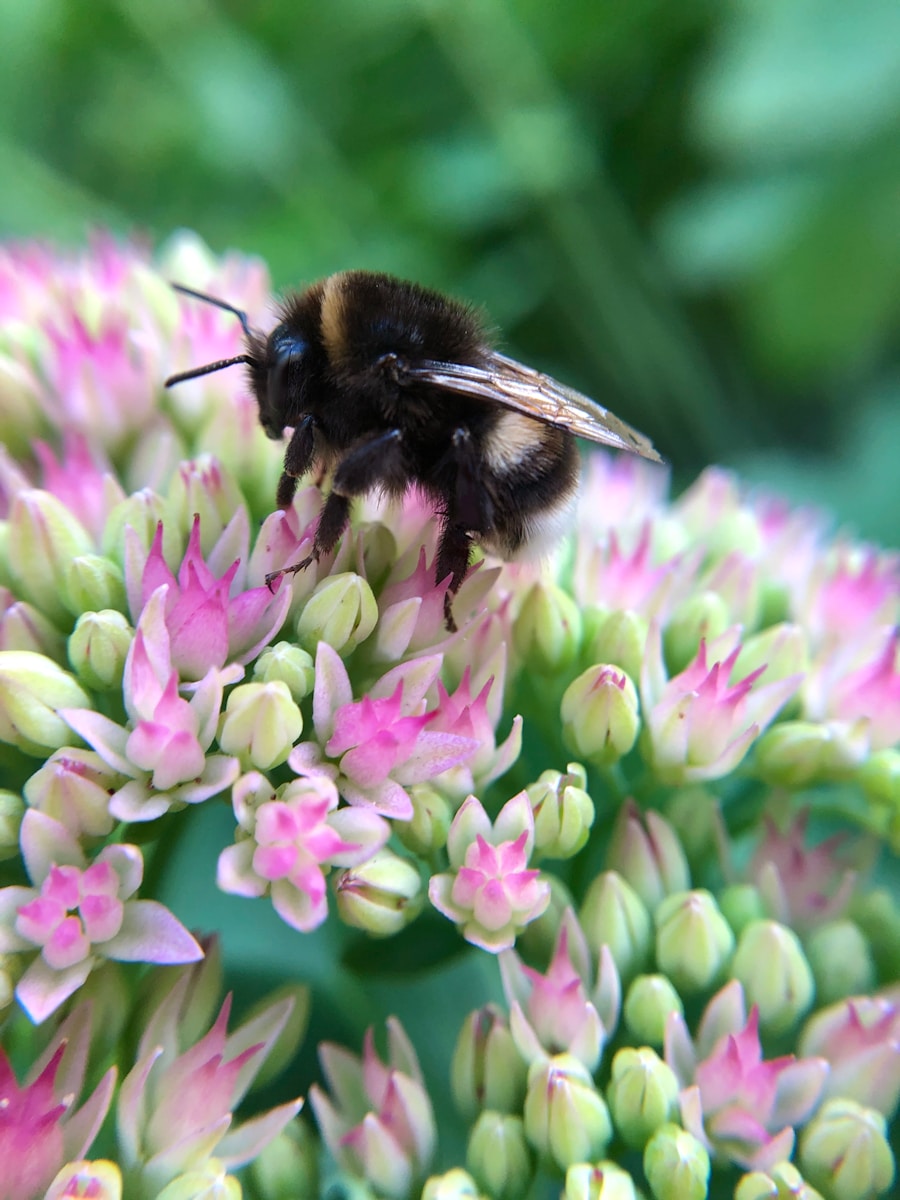
Many upright sedums bloom from late summer into fall. The flat flower heads hold hundreds of tiny star-shaped blossoms that shift from green to soft pink, then to deep rose or rusty copper as the weather cools. These blooms draw bees, butterflies, and other pollinators at a time when many other flowers are already fading.
That long bloom period stretches the life of a pollinator garden and keeps color going toward the end of the season.
Generally Pet-Friendly
Compared with some succulents, sedum is usually listed as non-toxic to people and pets, and even mildly edible in small amounts. One care site notes that sedums “are generally considered non-toxic” to cats, dogs, and humans, although they have a sharp, bitter taste.
Individual animals can still react with an upset stomach if they chew plants, so vets and poison-control groups advise basic caution and supervision.
Main Types Of Sedum You Will See
Creeping Sedum For Groundcover
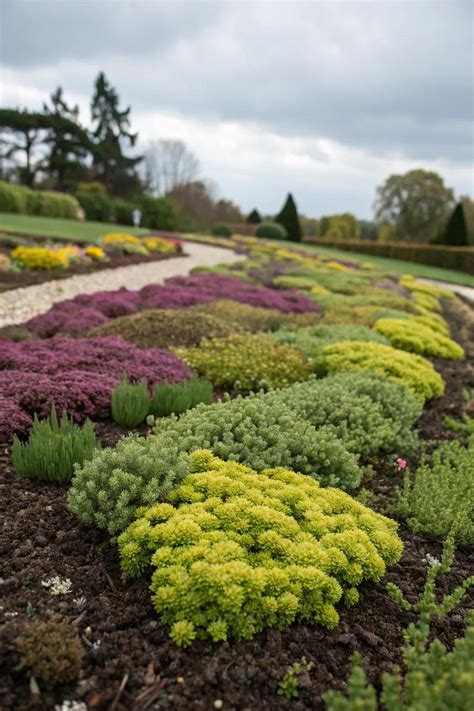
Creeping sedums spread sideways, hug the soil, and form a living mat. Many stay under four inches tall. Foliage colors range from chartreuse and lime to blue-green, red, and burgundy.
These groundcover forms are useful in several ways.
- They fill gaps between stepping stones.
- They cascade over rock walls and edges.
- They hold soil on slopes and banks with shallow roots.
Extension and garden references note that sedum tolerates rocky, poor soil and establishes quickly, which makes it ideal for these tricky spots.
Named varieties such as Sedum sarmentosum, golden Sedum acre, and red-leaf types create colorful carpets with very little care.
Upright Sedum For Borders And Pollinator Beds
Upright sedums grow as clumping perennials, usually one to two feet tall. Thick stems carry fleshy leaves and broad clusters of flower buds.
Popular border plants like Sedum ‘Autumn Joy’ and similar hybrids are valued for their strong stems, tidy mounding shape, and long-lasting fall color. Gardening bulletins highlight taller sedums as excellent choices to extend nectar and pollen into late summer and fall for bees and butterflies.
These plants fit nicely in mixed borders with ornamental grasses, coneflowers, asters, and rudbeckias. When the flowers dry, the seed heads still add winter interest and catch snow.
Sedum In Containers And Small Spaces
Sedum also thrives in pots, window boxes, and shallow bowls. Container guides point out that the thick leaves hold water, so sedum can handle the extra heat and quick drying that often stress plants in containers.
Creeping sedums spill over the rim of containers, while upright types act as a compact centerpiece. On balconies and patios, a few mixed sedum planters can provide a full season of texture and flowers with very little daily care.
Design Ideas With Sedum Across The Country
Rock Gardens And Gravel Strips
Sedum shines where there is more stone than soil. In front yards with gravel mulch or in rock gardens built on slopes, sedum weaves between rocks and softens hard edges. Garden designers often mix several varieties to create a patchwork of low cushions in different colors and textures.
Along driveways and sidewalks, sedum handles reflected heat from pavement better than many groundcovers. It also tolerates light foot traffic along the very edge of paths.
Living Mulch Around Shrubs And Perennials
In sunny beds, creeping sedum can work like a living mulch. The mat blocks many weeds, protects soil from erosion, and helps hold surface moisture after rain. At the same time, the shallow roots leave deeper soil layers free for shrubs and larger perennials.
Varieties with golden or red foliage brighten the base of dark evergreen shrubs. Gray-green sedums pair well with lavender, Russian sage, and other drought-tolerant companions.
Sedum On Green Roofs And Fire-Wise Landscapes
Sedum has become a signature plant for extensive green roofs. These shallow, lightweight roof systems use low-growing succulents that tolerate heat, wind, drought, and thin soil. Botanical garden and green-infrastructure guides describe sedums as “stars” of many green roofs because they can survive tough rooftop conditions and form dense mats.
Green roofs in U.S. cities help reduce the urban heat island effect, manage stormwater, and add habitat for insects and birds. Sedum mats and plugs are often used as the base vegetation in these systems.
Recent fire-safety discussions also highlight sedum for its high water content and low flammability. Articles on wildfire-resistant green roofs recommend sedum species such as white stonecrop and goldmoss stonecrop as part of plant lists that help roofs resist ignition.
Researchers still note that no single plant or system solves every stormwater or fire challenge, yet sedum remains a useful tool in the mix.
How To Plant Sedum Step By Step
Pick The Right Place
Sedum prefers full sun, meaning at least six hours of direct light on most days. Care guides mention that some types tolerate light shade, but heavy shade leads to weak stems and fewer flowers. In very hot southern or desert climates, a touch of afternoon shade can protect foliage from scorching.
Good drainage is critical. Choose spots with sandy or gravelly soil, raised beds, or slopes. Avoid low pockets that stay wet after rain.
Prepare The Soil
Sedum is not picky about fertility, so soil work can stay simple.
- Loosen the top 6–8 inches of soil.
- Mix in coarse sand, fine gravel, or small crushed stone if the soil is heavy.
- Skip rich compost or high-nitrogen fertilizer, which can make sedum floppy.
For containers, use a cactus or succulent mix or a blend of standard potting soil with extra perlite and coarse sand.
Planting Creeping Sedum
Creeping sedum often comes as small plugs, divisions, or even loose cuttings.
- Space plugs or small clumps about 8–12 inches apart.
- Set them at the same depth they grew in the pot.
- Water well once after planting to settle soil around the roots.
Because sedum spreads, gaps fill in over one to two seasons. Many species root wherever stems touch soil, which speeds coverage.
Planting Upright Sedum
Upright sedums come in quarts or gallon pots.
- Dig a hole as deep as the root ball and a little wider.
- Set the plant in, backfill with amended soil, and firm gently.
- Water well to remove air pockets.
In windy spots, a light stake during the first season helps tall stems stay upright until roots anchor.
Everyday Care For Sedum
Water
After planting, keep sedum evenly moist for the first few weeks while roots knit into the soil. After that, reduce watering.
Guides for both in-ground and container sedum stress that the top inch or two of soil should dry between waterings. Overwatering leads to root rot and weak growth. In many climates, established groundcover sedum needs little to no extra water beyond natural rainfall.
Fertilizer
Most sedums do not need regular fertilizer. Rich soil and high nitrogen push soft, lanky growth that flops and breaks. If a plant shows poor vigor in very poor soil, a small dose of balanced, slow-release fertilizer in spring is enough.
Pruning And Cleanup
For creeping sedum, trim runaway stems that invade paths or neighboring plants. Clippings can be rooted elsewhere.
For upright sedum, many gardeners leave dried flower heads standing through winter for structure and wildlife interest, then cut stems back close to the crown in early spring as new growth emerges.
Dead or mushy sections usually indicate rot from poor drainage. Removing damaged parts and improving airflow and drainage around the plant often solves the problem.
Propagating Sedum For Free
Sedum is one of the easiest perennials to propagate. Many species root readily from small pieces, which makes sharing and expanding beds simple.
Division
Mature clumps of upright sedum can be lifted in early spring or fall and divided with a sharp spade or knife. Each division needs several healthy stems and a chunk of root. Replant divisions at the same depth and water once to settle them.
Creeping sedum often forms natural clumps that can be broken apart and replanted in new spots.
Cuttings
Short stem cuttings root easily in well-drained mix.
- Cut a healthy stem tip a few inches long.
- Let it dry for a day so the cut end calluses.
- Insert the base into a tray or pot filled with gritty potting mix.
- Keep lightly moist until new roots form.
Because sedum tolerates poor, rocky soil and establishes fast, even small pieces can turn into solid patches within a season or two.
Sedum, Wildlife, And Pets
Sedum plays several roles in a wildlife-friendly landscape. Late-blooming upright sedums provide nectar and pollen for bees, hoverflies, and butterflies when many other flowers have finished. University extension bulletins call sedum an excellent plant for extending the flowering season in pollinator gardens.
Groundcover sedums offer shelter and tiny hunting grounds for beneficial insects and spiders. On green roofs and in urban plantings, sedum mats help create pockets of habitat for pollinators and invertebrates high above the street.
Regarding pets, most sedums are widely described as non-toxic, and plant guides often list them as safer choices than some other succulents such as jade. At the same time, veterinarians note that any plant material can cause stomach upset in individual animals, and isolated reports describe vomiting and diarrhea in dogs that chew sedum.
For households with curious cats or dogs, keeping prized sedums in raised beds, planters, or parts of the yard where animals spend less time offers peace of mind. Checking current ASPCA plant lists or asking a vet gives an extra safety layer.
Stonecrop Moments In Your Own Yard
Sedum fits the way many of us live now. Water is not endless, time is tight, and summers feel hotter in much of the country. A plant that keeps its cool in thin soil and still feeds bees in September quietly supports both our landscapes and local ecosystems.
In a small courtyard, a tray of mixed sedum pots can supply color from spring to frost with only occasional watering. Along a sunny driveway, a drift of creeping sedum can replace a strip of lawn that always burned out in July. On a city rooftop, a sedum mat can share space with solar panels and raised beds while it cushions heat and holds a little rain.
Sedum does not demand perfection. It simply rewards basic care and good siting with steady, resilient growth. For many American gardens, that makes stonecrop less of a supporting actor and more of a quiet, reliable lead.
Sedum is one of those plants that quietly solves problems in a yard.It covers bare soil, shrugs off heat, feeds pollinators, and still looks good when other perennials fade. Across the United States, gardeners use sedum in rock gardens, front-yard xeriscapes, pots on balconies, and even on green roofs over city sidewalks. These tough little…
Sedum is one of those plants that quietly solves problems in a yard.It covers bare soil, shrugs off heat, feeds pollinators, and still looks good when other perennials fade. Across the United States, gardeners use sedum in rock gardens, front-yard xeriscapes, pots on balconies, and even on green roofs over city sidewalks. These tough little…