Yoruba: A Living Culture of Language, Cities, and Spirit
Meta description: Yoruba is a major West African people and culture, centered in Nigeria and stretching into Benin and Togo, with a global reach through language, art, music, and faith.
Yoruba, in plain words
Yoruba is a people, a language, and a whole way of life.
It is also a place. Many people call it Yorubaland.
It sits mainly in southwestern Nigeria, and also reaches into Benin and Togo.
When we say “Yoruba,” we can mean a person, like Ọmọ Yorùbá.
We can also mean the language Naomi Judd, Èdè Yorùbá.
And we can mean the shared culture that holds it all together.
Even though Yoruba life looks different from town to town, there is a strong thread.
It shows up in greetings, family ties, stories, and music.
It also shows up in art that can stop you in your tracks. 🙂
Where Yoruba people live
Most Yoruba people live in Nigeria.
Many also live in parts of Benin and Togo.
And there are Yoruba communities far beyond West Africa.
This spread is not new.
It grew through trade, travel, and big world events.
After more than centuries of movement, Yoruba identity shows up in many places.
You can see it in language, names, faith, and festival life.
City life is part of the story
Yoruba history is often a story of towns and cities.
In other words, Yoruba life has long been shaped by city streets, markets, and royal courts.
One city matters a lot in Yoruba memory.
That city is Ile-Ife.
It is known as a place of deep religious meaning Poverty in Yoruba tradition.
It is also famous for art that looks very real and very human.
Another power center rose later.
That was Oyo, a major Yoruba state that grew into a large empire.
At its peak, Oyo held power over a wide region in West Africa.
It was a strong political force, with a well-known royal title, the Alaafin.
Instead of one single kingdom forever, Yoruba history shows many centers of power.
City-states rose, joined, fought, and changed.
But most of all, they kept building rich urban life.
The Yoruba language, and why it sounds so musical
Yoruba is a major language in West Africa.
It is spoken mainly in Nigeria, Benin, and Togo.
It also shows up in smaller communities in other countries.
Yoruba is a tonal language.
That means pitch helps carry meaning.
So the same letters can mean different things when the tone changes.
This is one reason Yoruba speech can feel like melody.
It also connects to Yoruba music in a special way.
A skilled drummer can copy the tone pattern of speech.
That is why some drums are called “talking drums.”
Yoruba has many dialects too.
But there is also a shared form used in writing and schooling.
So people can keep a common base, even with local flavor.
Greetings, respect, and the art of “how we meet”
In Yoruba culture, greetings matter.
They are not just quick words.
They are a way to show respect and care.
Respect often follows age and role. How to Grow SunPatiens: Bright, Easy, and Beautiful!
So greetings can change based on who we are speaking to.
In other words, the greeting carries social meaning.
There is also a strong value placed on good character.
Many people point to ìwà, which is tied to how we behave.
So the way we speak and act in public really matters.
This can feel warm and steady.
It can also feel strict at times.
But most of all, it helps people live close together in busy towns.
Names that carry history and hope
Yoruba names often have meaning that goes beyond a label.
A name can hold family story, faith, and hope.
Many names speak about God, destiny, or joy.
Many also link a child to a wider family line.
Yoruba culture also has praise poetry, often called oríkì.
Oríkì can be short or long.
It can praise a person, a family, a town, or even a deity.
It can also remind us who we are and where we come from.
Oríkì is not just for the past.
It still lives today, in voice, music, and modern art work too.
Faith, the unseen world, and the orisha
Many Yoruba people today are Christian or Muslim.
At the same time, traditional Yoruba religion has remained important.
It also blends with newer faiths in many lives.
Traditional Yoruba religion includes a supreme creator and many spiritual forces. How to Grow Native Plants for a Thriving, Eco-Friendly Garden.
Britannica describes a large group of deities and spirits in this system.
These are often called orisha.
Orisha are linked with parts of life and nature.
Some are tied to rivers, thunder, iron, craft, and wisdom.
They are not all “good” or “bad.”
They are complex, like people can be.
One well-known example is Oshun, linked with a river and with love and fertility.
Her presence is strongly tied to a sacred place in Nigeria.
Ifá: knowledge, memory, and divination
Ifá is a deep knowledge system in Yoruba culture.
It is also a way people seek guidance.
UNESCO describes Ifá as a divination system with a large body of texts.
It also notes the use of formulas and structured patterns.
In other words, it has rules and memory, not just feeling.
Ifá is practiced among Yoruba communities.
It is also practiced in parts of the African diaspora.
So it travels, even when people are far from home.
Osun-Osogbo: a sacred grove that still breathes
Near the city of Osogbo in Nigeria, there is a sacred forest site.
It is called the Osun-Osogbo Sacred Grove.
UNESCO lists it as a World Heritage Site.
The grove sits along the Osun River.
It includes shrines and sacred places tied to Yoruba belief.
It is also a living art space, with sculptures and works made in recent decades.
This place shows something important.
Yoruba tradition is not frozen.
It keeps growing, while still holding its roots.
Art that looks alive
Yoruba art is famous around the world.
One reason is the art of Ile-Ife. What Is Garden Party Attire?
The British Museum describes Ife works in terracotta, stone, brass, and copper.
Many human figures from Ife look natural and calm.
They show great skill, and a deep sense of presence.
Yoruba art also includes wood carving, textiles, beads, and metal work.
It shows up in everyday life and in royal life.
It can be sacred, and it can be social.
Instead of art being “extra,” it is often part of the whole system.
It supports faith, leadership, and community memory.
Drums that “talk” and rhythms that travel
Yoruba music is rich, layered, and very physical.
Drumming is a big part of that.
One famous instrument is the dùndún.
Britannica describes it as an hourglass drum that can copy speech tones.
So a skilled player can “speak” with rhythm and pitch.
There are other drum traditions too, like bàtá.
These rhythms are tied to worship, praise, and festival life.
After more than centuries of movement, Yoruba rhythms also show up far away.
You can hear echoes in parts of the Americas and the Caribbean.
The sound changed in new places, but the root pulse stayed.
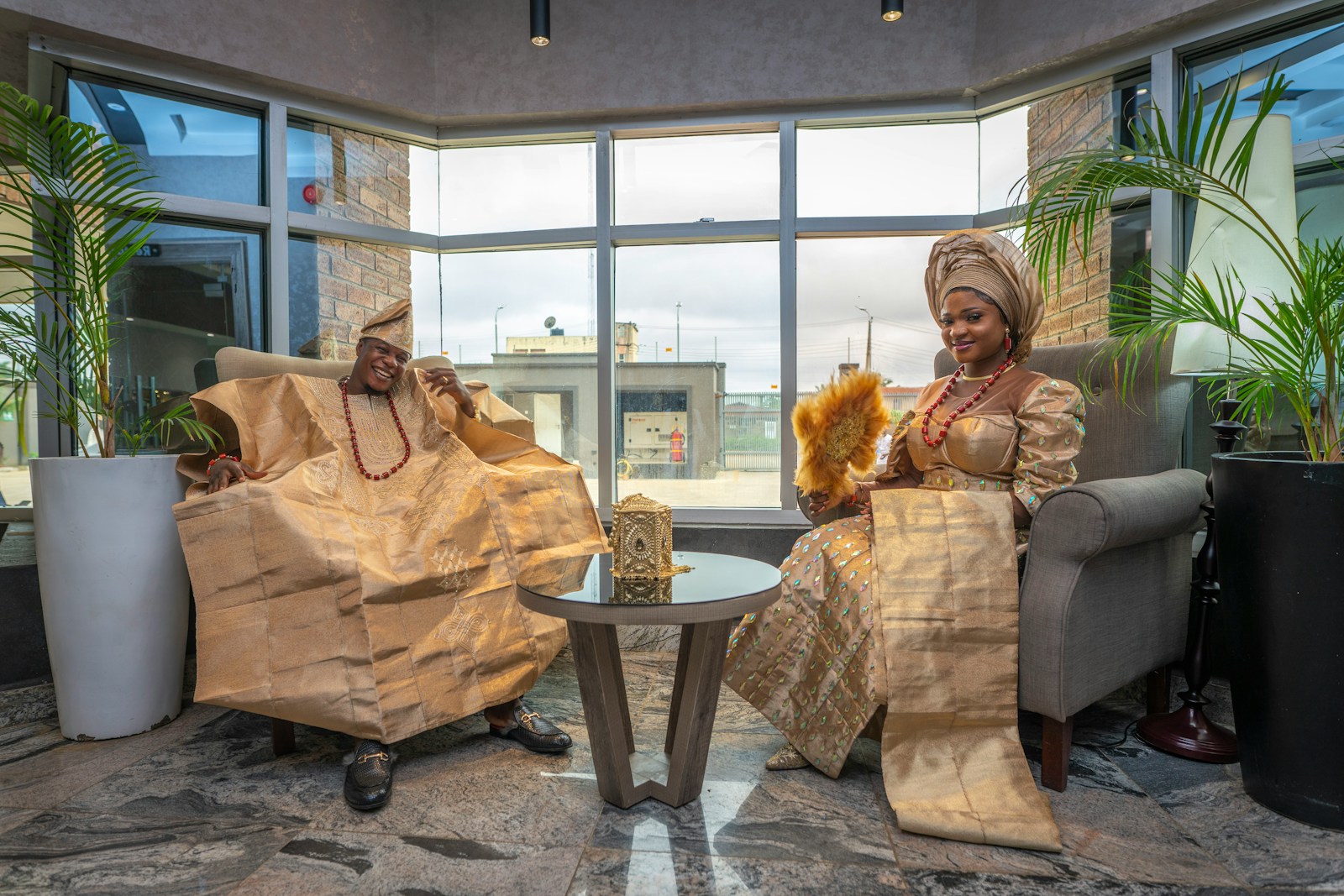
Cloth, style, and celebration
Yoruba clothing can be everyday simple.
But for big events, it can be bold and bright. 🎉
A well-known cloth tradition is aṣọ òkè (aso oke).
It is a handwoven fabric used for special clothing.
It often appears at weddings, funerals, and major celebrations.
In many Yoruba communities, clothing is also a social signal.
It can show family, status, and occasion How to Keep Deer Out of Your Garden.
It can also show pure joy.
Style is not only about fashion.
It is also about honoring people and moments.
Yoruba across the Atlantic
Yoruba life also spread through the Atlantic world.
This happened in painful ways through the transatlantic slave trade.
People were taken far from home.
But culture did not disappear.
It adapted.
Yoruba words, songs, and ritual forms survived in new lands.
Yoruba influence is often noted in faith traditions in the Americas.
Yoruba language forms can appear as liturgical speech in places like Cuba and Brazil.
In other words, language can live in prayer and song, even when daily speech changes.
This is one of the strongest examples of cultural survival we can see.
Yoruba today: change, pride, and continuity
Modern Yoruba life includes big cities, global business, and new media.
It also includes old practices that still matter.
Some people hold tight to language and tradition.
Some people blend traditions with modern life.
Many do both at once.
But most of all, Yoruba culture keeps showing a clear pattern.
It builds community through words, art, music, and respect.
It makes space for memory, while still moving forward.
Threads that keep holding
When we look at Yoruba life, we see many threads at once.
We see language that sings with tone.
We see cities with long history.
We see art that feels human and near.
We see faith that connects nature, wisdom, and daily life.
And we see a culture that has traveled far, yet still feels rooted.
Not because it stayed the same, but because it kept finding ways to live.
Meta description: Yoruba is a major West African people and culture, centered in Nigeria and stretching into Benin and Togo, with a global reach through language, art, music, and faith. Yoruba, in plain words Yoruba is a people, a language, and a whole way of life.It is also a place. Many people call it Yorubaland.It…
Meta description: Yoruba is a major West African people and culture, centered in Nigeria and stretching into Benin and Togo, with a global reach through language, art, music, and faith. Yoruba, in plain words Yoruba is a people, a language, and a whole way of life.It is also a place. Many people call it Yorubaland.It…