Raised Bed vs. Container Garden in a Small Backyard: Which One Makes More Sense?
When we have a small backyard, every square foot has to work hard. That is why this choice matters so much. A raised bed and a container garden can both grow good food and herbs. Both can also look great. But they do not work the same way day to day. In other words, this is not just about style. It is about water, cost, space, sun, effort, and how you want to garden.
A raised bed is a garden area built above ground and filled with soil. It is usually wide enough to reach into from the sides, so you do not step on the soil. A container garden uses pots, tubs, grow bags, boxes, or other vessels with drainage. Extension sources point to the same core split: raised beds give you a more stable growing space with more root room, while containers give you flexibility and mobility in tight places.
For most people with a small backyard, a raised bed makes more sense if the goal is to grow more food in one main spot. Raised beds are often easier to manage once they are built because they improve drainage, warm up faster than ground soil in spring, and let us plant intensively without walking on the growing area. Nattokinase vs Aspirin: What Really Sets Them Apart? That can mean better use of limited space and, in many cases, more production per square foot. They also help when the native soil is poor, rocky, compacted, wet, or just plain frustrating.
Raised beds also feel easier on the body. The soil sits higher, so there is less bending and kneeling. They are neater, too. In a small yard, that matters more than people think. A tidy bed with clear edges often feels calmer than a scattering of random pots. After more than one season, many gardeners also like that a raised bed becomes part of the yard instead of looking temporary.
But raised beds are not magic. They cost money up front. You need materials, soil, and time to build and fill them. They are also fairly permanent. If you later learn that your “sunny spot” only gets four hours of light in summer, you cannot just slide the whole thing ten feet to the left. Raised beds can dry out faster than in-ground soil, especially in hot weather, and the sides will not last forever. Wood, in particular, will age and need replacement one day.
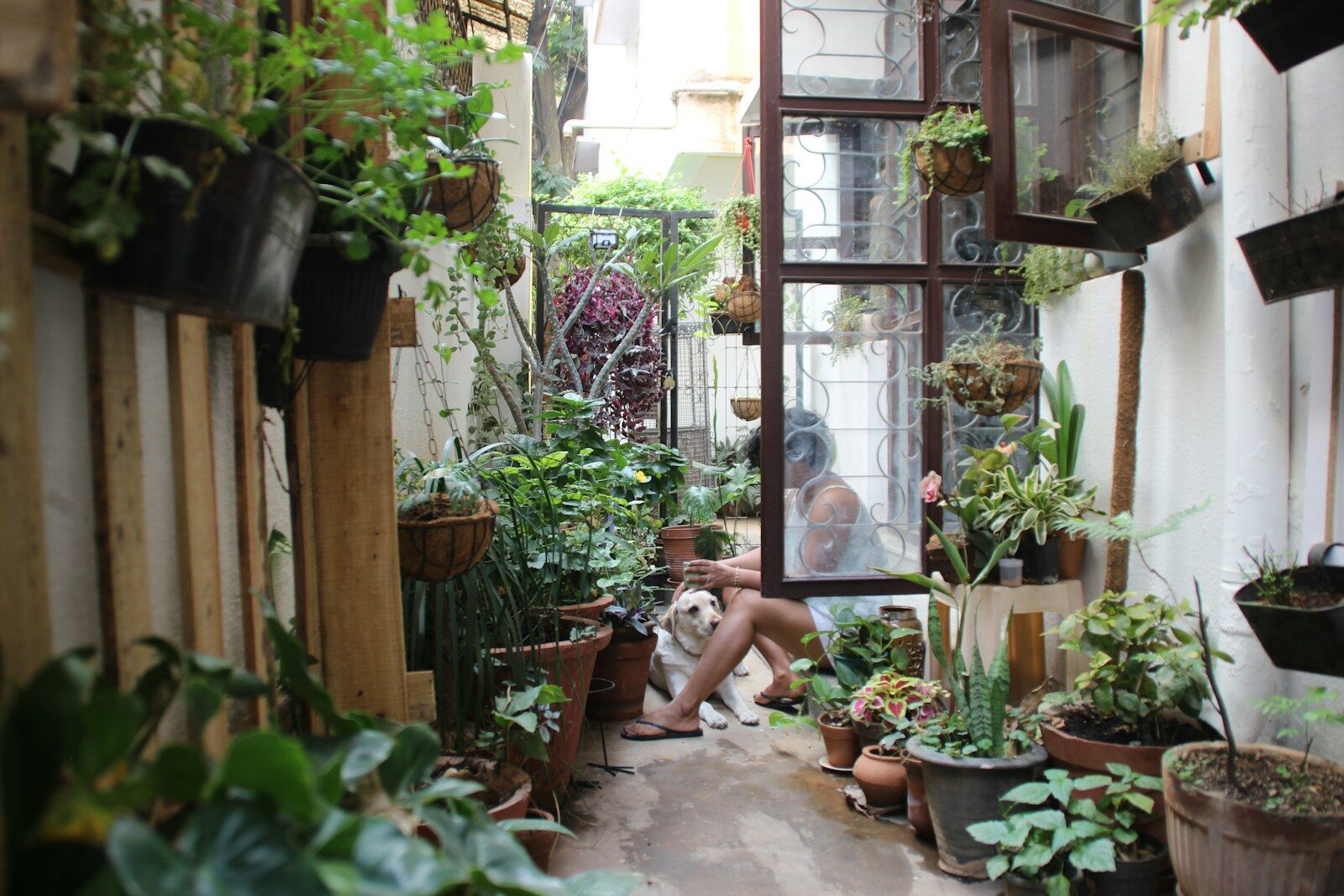
Container gardens make more sense when your small backyard is awkward, paved, shaded in parts, rented, or still in the testing stage. Containers can sit on a patio, deck, steps, gravel pad, or sunny edge near a fence. They can follow the sun. That is a big deal in real backyards, where trees, sheds, and houses shift light all day. If you are not yet sure where your best growing area is, containers let you learn fast without committing to one fixed layout.
Containers are also great for beginners because they lower the size of the project. You can start with one tomato, one pepper, and a pot of basil instead of building a whole bed. That feels less risky and more doable. And for herbs, salad greens, compact peppers, dwarf tomatoes, and other smaller crops, containers can be excellent. Extension guidance notes that determinate, dwarf, and compact vegetable types often work best in pots, and leafy greens are especially well suited to them.
Still, containers ask more from us once summer starts. They dry out fast. In hot weather, some may need water every day, and sometimes more than once a day. Frequent watering also leaches nutrients, so feeding has to be more regular. Pot size and material matter a lot. Small pots dry out fast. Dark or metal pots can heat up quickly. Porous pots like terra cotta and fabric lose moisture faster than plastic or glazed containers. When to plant turnips in Alabama? So while containers look simple at first, they can become the higher-maintenance choice in real life.
That daily care issue is usually the turning point. If you enjoy checking plants every morning, watering by hand, rotating pots, and tweaking things, containers can feel fun. If you miss days, travel, or tend to get busy, a cluster of containers can turn crispy in a hurry. Raised beds need irrigation too, especially in hot weather, but they usually give roots more soil volume and a little more buffer. Instead of reacting to five or ten separate pots, you are managing one main growing zone.
Space use is another place where raised beds usually pull ahead. In a small backyard, one well-placed bed can be easier to walk around and easier to design around than a lot of containers. Raised beds also make intensive planting easier. That means less wasted path space inside the growing area. Containers, on the other hand, shine in leftover spaces that a bed cannot use well, like a narrow strip by the back door, a sunny corner of a patio, or the top of a low wall. Instead of choosing one or the other as a rule, it helps to ask which one wastes less of the space you actually have.
Plant choice matters too. A raised bed is usually better for crops that want more root room and for gardeners who want a broader mix in one place. Containers are best when we match the crop to the pot. Leafy greens, herbs, radishes, green onions, carrots, compact beans, peppers, eggplant, and determinate tomatoes do well in containers with the right depth and volume. Larger or sprawling crops are trickier. Some can be grown in big pots with support, but that is more work and less forgiving. Raised beds are also not ideal for every giant vine, but they handle bigger crops more naturally than small containers do.
Sun can quietly decide this whole question. Fruiting crops like tomatoes, peppers, beans, cucumbers, and eggplant generally need at least six to eight hours of direct sun. Leafy greens and herbs can tolerate less. So if your small backyard has one strong patch of full sun, a raised bed in that spot often makes the most sense. But if the light moves and no one area stays bright all day, containers let us chase the better exposure. In other words, the yard may pick the method before we do.
Cost is a little tricky. A raised bed usually costs more to build at the start because you need framing and a lot of soil. Containers can be cheaper to begin with if you already have pots or only want a few plants. But if you try to grow a full backyard garden only in containers, the cost can climb fast because each pot needs its own container mix, Zesty Scarlet Zinnia and big productive crops need larger vessels. So a raised bed often wins on value when you want one main food garden, while containers win when you want a small, light, flexible setup. That is partly stated in extension guidance and partly a practical inference from the way each system is built and maintained.
So which one makes more sense? If you own the space, have one decent sunny area, and want the biggest return from a small backyard, a raised bed usually makes more sense. If you rent, have patchy sun, want to start small, or need the freedom to move things around, containers usually make more sense. But most of all, the smartest answer for many small backyards is not either-or. It is one modest raised bed for the core crops, plus a few containers for herbs, greens, and the spots the bed cannot reach. That setup uses space well, keeps the yard flexible, and gives us the strengths of both systems without all the weaknesses of either one alone.
When we have a small backyard, every square foot has to work hard. That is why this choice matters so much. A raised bed and a container garden can both grow good food and herbs. Both can also look great. But they do not work the same way day to day. In other words, this…
When we have a small backyard, every square foot has to work hard. That is why this choice matters so much. A raised bed and a container garden can both grow good food and herbs. Both can also look great. But they do not work the same way day to day. In other words, this…