How to Grow Tomatoes in Arizona Heat Without Losing Your Plants
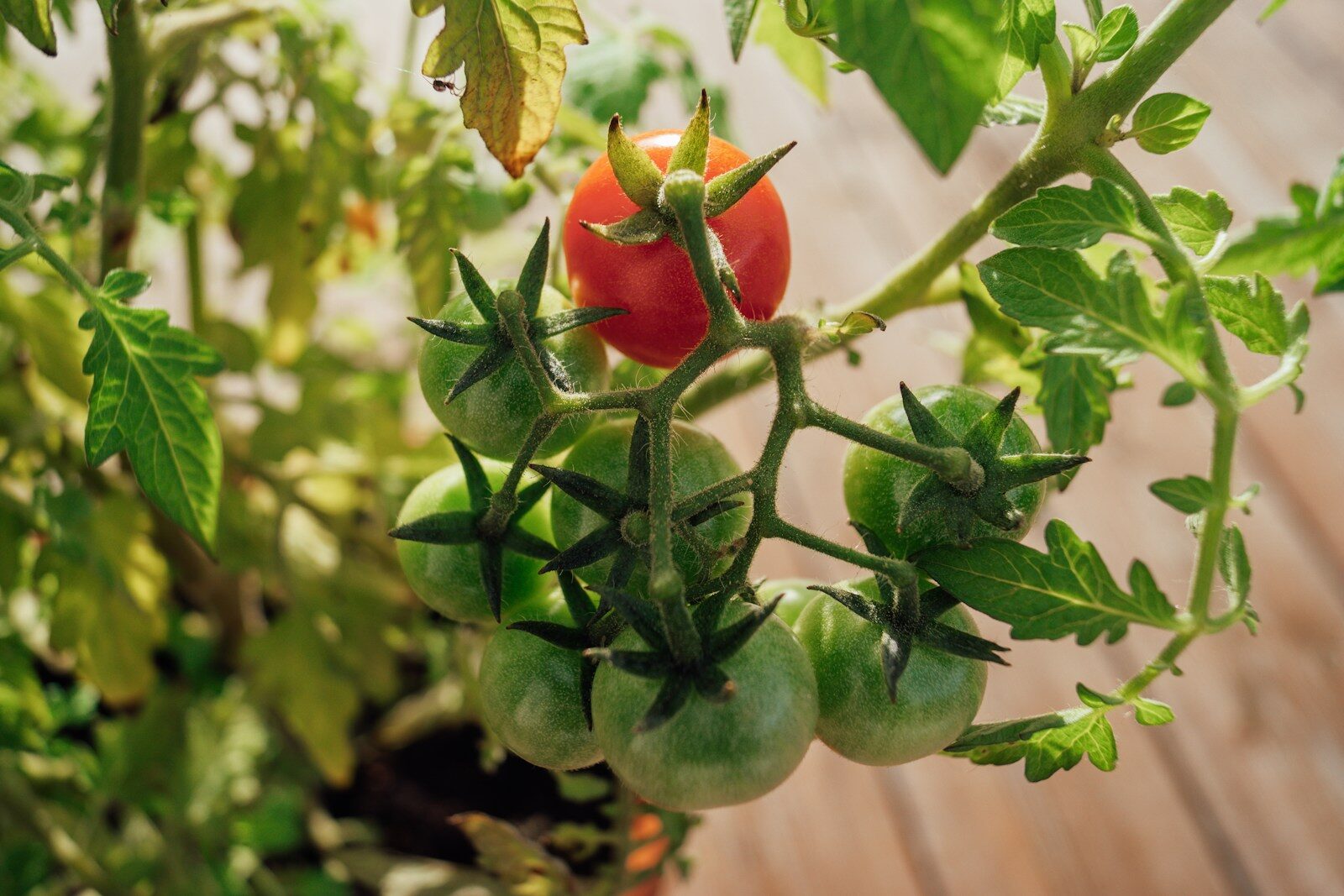
Growing tomatoes in Arizona can feel unfair. The plants look great in spring. Then the heat shows up, the flowers drop, the fruit stalls, and the leaves start to look tired. It is easy to think you did something wrong. But a lot of the struggle is not about skill. It is about timing, heat, dry air, and strong sun. In other words, the goal in Arizona is not to force tomatoes to act like they are in Ohio or California. The goal is to grow them around the climate we actually have.
First, know what “success” looks like here
In much of Arizona, tomatoes are not really a full-summer crop. In Southern Arizona, the main tomato window is spring, with a shorter second season in fall. In the low desert, University of Arizona guidance also points gardeners to two main planting seasons and says quick-maturing varieties fit best because heat and dry air shorten the easy growing window. At higher elevations, the problem shifts. There, late frosts and cool nights can be the limit instead of brutal summer heat. So when we say “Arizona tomatoes,” we are really talking about different tomato calendars depending on elevation. Raised Bed vs. Container Garden in a Small Backyard: Which One Makes More Sense?
That matters because it changes your mindset. In the low desert, the smart plan is to get fruit early, protect the plant through the worst heat, and then let it produce again when nights cool down. After more than a few hot weeks, a living tomato plant with healthy leaves is often a win, even if it is not loaded with fruit in July. Extension advice for Southern Arizona says poor fruit development in July and August is expected, and older spring plants can often be cut back for a second fall crop.
Start with the right kind of tomato
This is where many Arizona gardens go sideways. Big, late, long-season slicers can be a gamble in the lower elevations. University of Arizona guidance says early varieties are best for the low desert, especially those in the 45 to 70 day range. It also says large-fruited, long-season types are often disappointing there, while cherry and plum tomatoes that mature fast can be very productive. Cherry types also set fruit across a wider temperature range than many large-fruited types. So if you want better odds, smaller fruit is usually the safer bet.
Look at the tag before you buy. Terms like heat tolerant, early, cherry, grape, and plum are worth noticing. Disease resistance letters help too. University of Arizona says common code letters include V for Verticillium wilt, F for Fusarium wilt, T for tobacco mosaic virus, L for Septoria leaf spot, and N for nematodes. That does not make a plant heat-proof. But it does give you one less problem to fight while the weather is already hard enough.
Plant early, not late
If you wait until the garden feels warm and friendly, you are often already behind. Southern Arizona guidance says gardeners can start seed indoors in January, about six weeks before the last frost, and plant out 6-inch seedlings in mid-March once frost risk has passed. Tomatoes need night temperatures above 55°F to set fruit well, and the main spring season in Southern Arizona runs from about mid-March to late June. In the low desert, the point is similar even if your exact dates vary: plant to beat the furnace, not to meet it.
Do not rush tender seedlings straight from a cozy indoor setup into Arizona sun and wind. Hardening off matters. University of Arizona says to expose seedlings little by little over about a week so they can adjust to direct sun, wind, and temperature swings. When you plant, set them deep. Extension guidance says deep planting, up to the first true leaves, or side planting helps create a stronger root system and more robust plants. That extra root growth is a big deal once the heat starts pulling moisture out of the soil fast.
Build the plant around shade, not against it
Tomatoes still need sun. One Arizona extension source says they need at least 6 hours of full sun a day. But in Arizona heat, “full sun all day” can turn into sunburn, blossom drop, and cooked fruit. Another University of Arizona guide says to provide shade during the hottest part of the day, either with shade cloth or with a spot that gets natural late afternoon shade. Across the extension materials, shade cloth guidance ranges from about 20% to 60% shade depending on the problem and the setup. December Awareness Guide. That is your clue that the goal is not deep darkness. It is softening the worst hit of the afternoon blast.
This is also why over-pruning is a bad move here. In the low desert, University of Arizona says not to prune tomatoes hard because the leaves give needed shade to the fruit. It also notes that mulch and shade cloth can reduce sunburn and help discourage leafhoppers. Sunscald, in plain words, is often just sunburn on fruit that does not have enough leafy cover. So instead of chasing a neat, stripped-out plant, let the tomato keep enough canopy to protect itself.
Water deep, and keep it steady
In Arizona, watering is not just about survival. It is about fruit set, cracking, and blossom-end rot too. University of Arizona says consistent watering is vital, and that deep watering every 3 or 4 days is better than daily light watering, though sandy soil may need water more often and clay may hold it longer. The same guidance suggests checking moisture down about 6 inches, while noting that tomato roots may reach around 18 inches deep. Longer watering helps drive moisture lower, encourages deeper rooting, and can wash away salt buildup.
Mulch is part of the watering plan, not a side detail. University of Arizona says mulch around the plant, but not touching the stem, helps keep the soil and roots cooler and moister in summer. It also ties uneven moisture to common problems. Blossom-end rot is linked to poor water management and drought stress. Cracking shows up when the plant swings from too dry to too wet. Instead of a feast-or-famine pattern, aim for soil that stays evenly moist without turning swampy.
Feed enough, but do not push soft growth
More fertilizer does not fix heat. In fact, too much nitrogen can make things worse. Arizona extension guidance warns that excess nitrogen can push lush leaf growth at the expense of fruit, and another guide says too much nitrogen can reduce fruit production and even burn tender roots. A balanced feeding program works better. One University of Arizona reference says phosphorus and potassium should be equal to or greater than nitrogen in a balanced tomato feeding approach, and that stable soil moisture matters just as much as fertilizer.
This is one place where we need to be honest with ourselves. A huge, dark green tomato plant in June can look amazing and still be headed for disappointment. In Arizona, pretty foliage is not the whole story. You want a sturdy plant, not a pampered one. Strong roots, balanced feeding, and steady moisture beat a hot-weather nitrogen rush almost every time.
When the flowers drop, the plant is telling you the truth
Blossom drop is one of the most frustrating parts of Arizona tomato growing, and it is usually weather-driven. University of Arizona sources say blossom drop can happen when days get too hot, when nights stay too warm, when humidity is very low, when watering swings too much, or when the plant gets too much light or wind. One desert tomato disorder sheet says daytime temperatures above 90°F are a main cause, temperatures over 104°F for four hours can abort flowers, and night temperatures above 75°F can also cause blossoms to abort. Another Arizona source puts the daytime trouble point a bit lower, above 85°F. The practical takeaway is simple: once hot days and hot nights stack up, fruit set will slow or stop no matter how hard you stare at the plant.
That is why midsummer tomato growing in Arizona is often about plant survival more than fruit production. How to Move to New York City Without Losing Your Mind. One University of Arizona disorder guide says many gardeners give up when plants stop setting fruit, but tomatoes can produce again in fall when temperatures cool. It recommends continuing to water and fertilize during the no-set period so the plants stay strong for later production. Southern Arizona guidance says gardeners can cut back tired spring plants in August, root cuttings from spring plants, or start fresh seedlings for September planting. Instead of asking, “Why is my tomato not acting normal in July?” the better question is, “How do I keep it healthy enough for fall?”
Containers can help, if you use them wisely
Containers dry faster, so they are not magic. But they do give you control. University of Arizona says tomatoes can be grown in containers such as buckets or grow bags, and that containers can be moved into shade in the hottest summer months and into more sheltered spots in winter. That flexibility can save a plant during a rough week. The tradeoff is that container plants need closer watch on moisture because the root zone heats and dries faster than in-ground soil. In other words, containers help most when you pair them with shade, deep watering, and mulch.
After More Than One Heat Wave
A healthy Arizona tomato plant does not always look dramatic. Sometimes it looks leafy, shaded, and patient. Sometimes it is alive in July and busy in October. Sometimes it gives you early cherries, takes a break when nights stay hot, and then comes back when the weather eases. That rhythm is normal here. If you plant early, choose smaller fast varieties, water deep, mulch well, keep foliage on the plant, and give afternoon protection, you are not babying tomatoes. You are growing them in Arizona the way Arizona asks you to.
Growing tomatoes in Arizona can feel unfair. The plants look great in spring. Then the heat shows up, the flowers drop, the fruit stalls, and the leaves start to look tired. It is easy to think you did something wrong. But a lot of the struggle is not about skill. It is about timing, heat,…
Growing tomatoes in Arizona can feel unfair. The plants look great in spring. Then the heat shows up, the flowers drop, the fruit stalls, and the leaves start to look tired. It is easy to think you did something wrong. But a lot of the struggle is not about skill. It is about timing, heat,…