Noctourism Is the Travel Trend That Lets Us See the World After Dark
Most travel advice starts with the same old plan. Wake up early. Beat the crowds. See the sights before lunch. Take the photo while the light is good.
But now a different kind of trip is catching on.
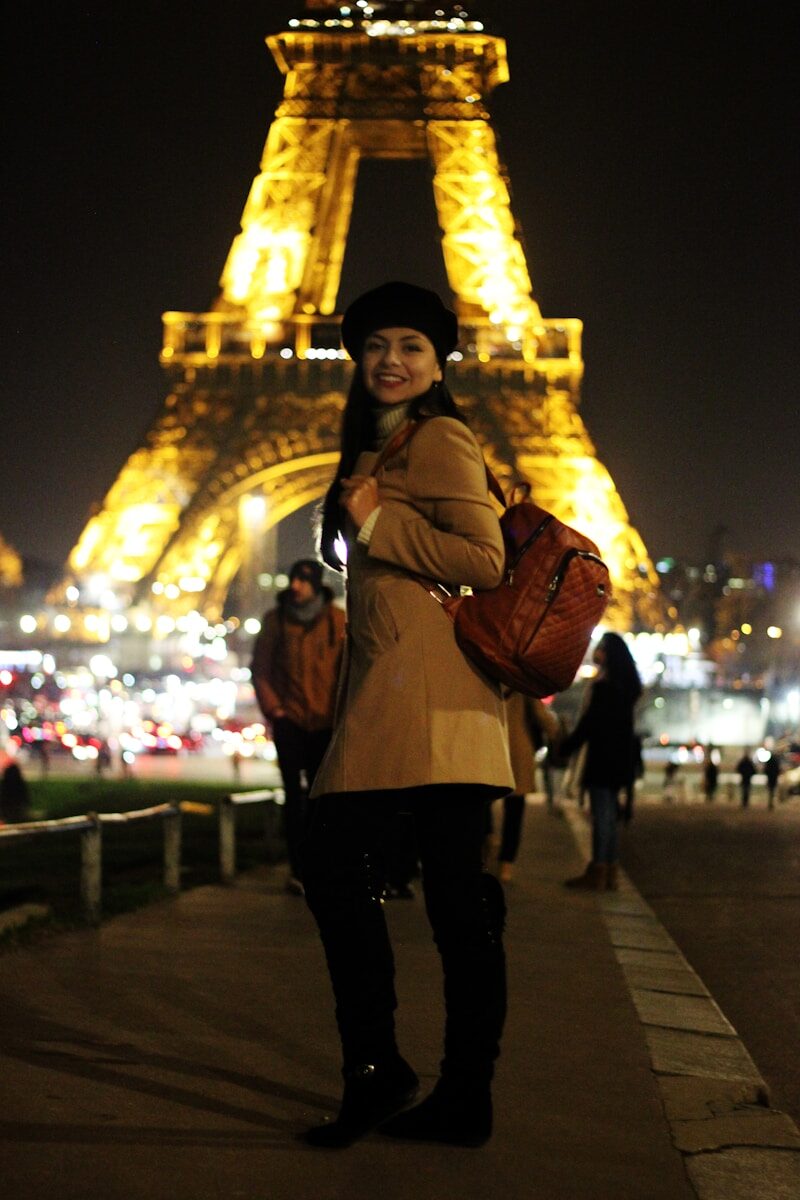
It is called noctourism. That is a fancy word for travel after dark. It can mean stargazing in the desert. It can mean walking through a city when the lights come on. It can mean a night market, a moonlit hike, a late museum event, a safari sleep-out, or a trip planned around the Northern Lights.
In other words, the night is no longer just the time after the “real” trip ends. For many travelers, the night is becoming the point of the trip.
And honestly, it makes sense.
Why Noctourism Feels So Fresh Right Now
We have spent years hearing about crowded airports, packed old towns, high hotel rates, and summer heat that turns a nice walking tour into a test of will. So a lot of us are asking a simple question.
What if we traveled at a different pace?
Noctourism gives us that answer. It moves some of the best parts of travel into the cooler, quieter hours. Instead of fighting the noon crowd, we might watch a town square glow after dinner. Instead of hiking under a hard sun, we might join a ranger-led night walk. Instead of scrolling in a hotel room, we might sit outside and look up.
That sounds small. But it changes the whole feel of a trip.
Daytime travel can be busy. The night asks us to slow down. It makes us notice sound, light, air, and silence. It also gives familiar places a new mood. A street that feels plain at 2 p.m. may feel warm and alive at 9 p.m. A desert overlook that looks beautiful in the day may feel almost sacred under stars.
But most of all, noctourism gives us something many trips have lost: wonder.
The Big Draw: Dark Skies
The most talked-about part of noctourism is dark-sky travel. This means going to places with low light pollution so we can see more stars.
For many of us, that is rare. City lights hide much of the night sky. Porch lights, street lights, signs, and parking lots all add up. So when we stand in a truly dark place, the sky can feel shocking. The Milky Way looks less like a photo and more like a river. Stars seem layered. The dark feels alive, not empty.
That is why dark-sky parks, desert towns, and remote lodges are getting more attention. People are not just booking a bed. They are booking a view of the universe. AI Shopping Agents Are Changing How We Buy Online.
Arizona fits this trend well. So do parts of Utah, New Mexico, Nevada, Colorado, and many other dry, high, open places. These spots often have clear skies, wide views, and less haze. They also have landscapes that look even more dramatic at dusk and dawn.
Still, noctourism is not only for the Southwest. You can find it in island villages, national parks, small mountain towns, lakeside cabins, and even cities that offer after-dark tours.
Night Travel Is Not Just Stargazing
Stargazing may be the star of the show, but noctourism is bigger than that.
Think about night markets. They are not just places to eat. They are places to feel a city. You smell food before you know what it is. You hear vendors, music, scooters, laughter, and clinking dishes. You move with the crowd. You try something new because the whole place nudges you toward it.
Then there are nighttime museum events. These can make big institutions feel more relaxed. The crowds are often smaller. The light is softer. A gallery can feel less like homework and more like a date with your own curiosity.
Wildlife trips also change after dark. Some animals are more active at night. A guided night walk can reveal frogs, owls, bats, insects, or desert creatures we would never see in the heat of day. This is where a guide matters. We can enjoy the dark without disturbing what lives there.
Even city walks feel different at night. A skyline. A river path. A historic district. A food tour. A lantern walk. A ghost tour. None of these need to be extreme. The point is not to stay up until sunrise. The point is to see a place in its other mood.
Heat Is Part of the Story
We cannot talk about this trend without talking about heat.
Summer travel has gotten harder in many places. Midday can feel too hot for long walks, open-air tours, and crowded plazas. So travelers are shifting more of the day’s fun to early morning and evening.
That does not mean every night trip is about climate. Some people just like the stars. Some want better photos. Some want fewer crowds. Some are night owls by nature.
But in warm places, night travel is practical. You can eat later. Walk later. Book a sunset tour. Visit open-air spaces when the pavement is not blazing. This gives us more comfort without giving up the trip.
Instead of forcing our bodies through the worst hours, we can plan around them. That feels smart, not lazy.
The Slower Side of Travel
Noctourism also fits a bigger shift in how people want to travel.
A lot of us are tired of packed schedules. We do not want every trip to feel like a checklist. We want a little room to breathe. Night travel helps because it is hard to rush the sky.
You cannot make stars appear faster. You cannot hurry a moonrise. You cannot force the Northern Lights. You wait. You look. You talk softly. You get quiet.
That is part of the appeal. Email Authentication for Small Business Domains: SPF, DKIM, and DMARC Are Now Basic Infrastructure.
Travel has become so tied to proof. We take photos to show we were there. We post. We share. We save the pin. But a night sky does not always photograph well on a phone. A soft evening walk may not go viral. A quiet moment by a campfire may not look like much online.
Yet it may be the part we remember most.
How to Plan a Noctourism Trip Without Overdoing It
A good night trip does not need to be hard.
Start simple. Pick one after-dark anchor for the trip. Maybe that is a stargazing tour. Maybe it is a night market. Maybe it is a full moon hike. Maybe it is a late dinner in a walkable district.
Then build the day around it.
Do not plan a sunrise hike, a full museum day, a long drive, and a midnight tour all in one stretch. That is not wonder. That is poor planning with snacks.
Give yourself rest. Take the slow morning. Plan a nap if you need one. Eat before you go out. Bring water. Bring layers, even in the desert. Nights can surprise us.
For stargazing, try to plan around the moon. A bright full moon is beautiful, but it can wash out faint stars. A darker moon phase is better for deep sky views. Weather matters too. Clouds do not care about your hotel booking.
Also, use a red light if you need a flashlight. White light can ruin night vision for you and the people around you. Keep phone screens dim. Stay on marked paths. Respect quiet hours. And please, do not blast music in a dark-sky area. The whole point is to let the night be the night.
Safety Still Matters
Noctourism can be peaceful, but we still need to be smart.
Go with a guide when the place is remote, wild, or unfamiliar. Tell someone where you are going. Check park rules. Know when gates close. Bring a map that works offline. Carry a power bank. Watch your footing. Keep kids close near overlooks, water, and trails.
In cities, choose well-lit routes and trusted transport. Night does not have to be scary. It just asks for a little more care.
GeneratePress: The Lean WordPress Foundation We Bet Our Business On. The best version of noctourism is not reckless. It is calm, planned, and aware.
Why Small Towns May Benefit
This trend could be good for smaller places too.
Many rural towns have what big cities cannot buy: dark skies, quiet roads, and open space. A town with a modest main street, a few good places to eat, and a protected night sky can offer a trip that feels rare.
That can help local guides, inns, cafes, outfitters, and parks. It can also give communities a reason to protect their night sky. Better lighting does not mean no lighting. It means lighting that points down, uses the right brightness, and protects the dark where it still exists.
So noctourism is not just about travelers getting a cool view. It can also support places that care for the night.
The Gentle Magic of Going Out After Dark
Noctourism is popular because it gives us a new way to feel present.
We can still love a sunny beach, a bright garden, or a busy downtown morning. There is room for all of it. But after dark, the world loosens its grip a little. The heat fades. The crowds thin. The sky opens. The ordinary becomes less ordinary.
And maybe that is why this trend has staying power.
It is not only about seeing stars. It is about seeing differently.
Under a Quieter Sky
A good trip does not always need more. More stops. More photos. More plans. More pressure.
How Long Are Business Checks Good For? What the Six-Month Rule Really Means. Sometimes it needs less light.
Noctourism reminds us that travel can be simple and still feel deep. We can walk slower. Listen better. Look up more. We can let the night do some of the work.
And after more than a few years of loud, crowded, hurried travel, that softer kind of trip feels pretty good.
Most travel advice starts with the same old plan. Wake up early. Beat the crowds. See the sights before lunch. Take the photo while the light is good. But now a different kind of trip is catching on. It is called noctourism. That is a fancy word for travel after dark. It can mean stargazing…
Most travel advice starts with the same old plan. Wake up early. Beat the crowds. See the sights before lunch. Take the photo while the light is good. But now a different kind of trip is catching on. It is called noctourism. That is a fancy word for travel after dark. It can mean stargazing…