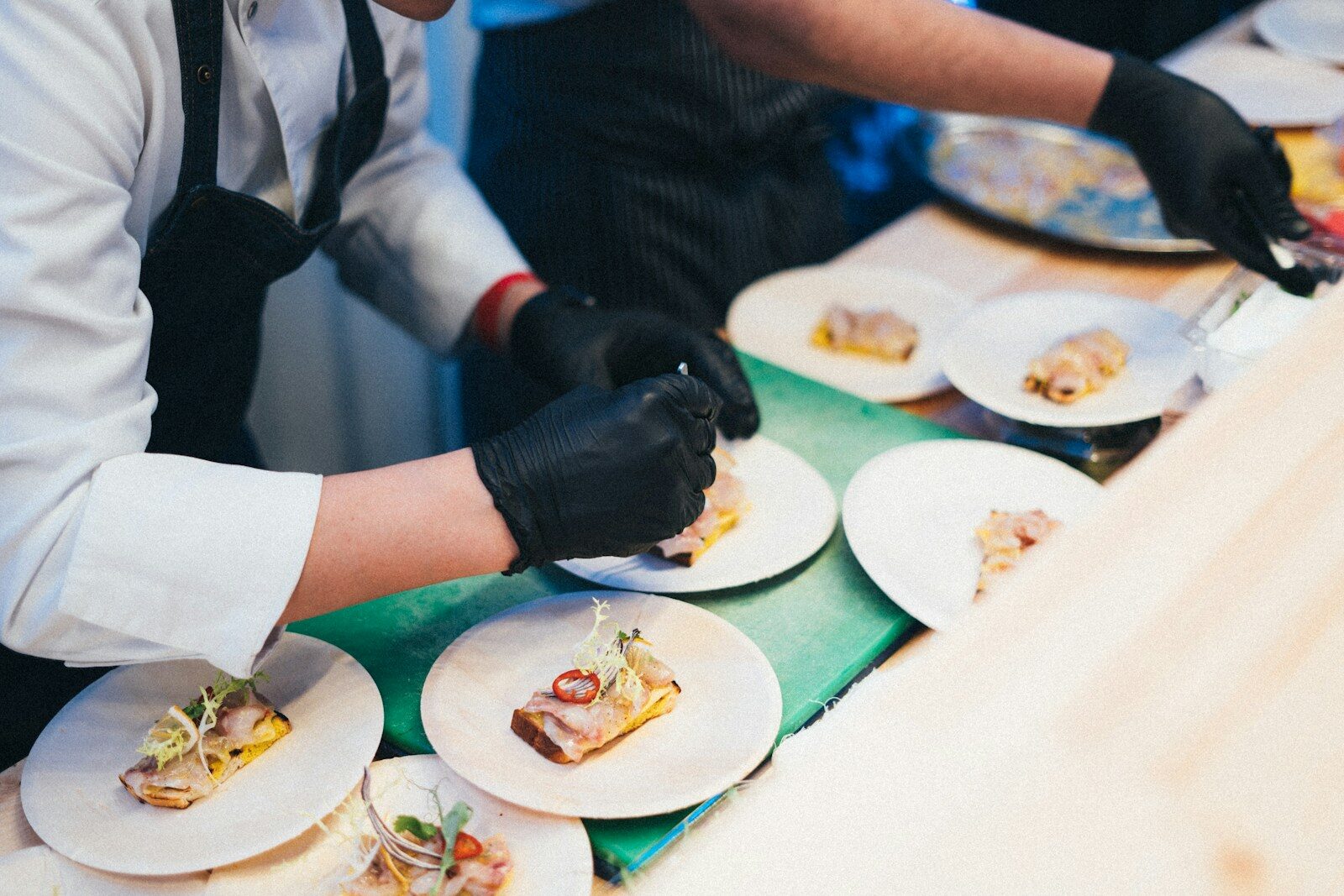
How to Become a Food Stylist
To become a food stylist, build strong cooking skills, learn how food behaves on camera, and create a focused portfolio. Assist working stylists, photographers, chefs, or production teams. Start with small shoots and show that you can plan, shop, prep, style, reset, and keep the set safe. There is no single required degree.
A food stylist prepares food for photos, video, ads, menus, packages, cookbooks, and social content. The job is part cooking, part design, and part production. A beautiful plate is only one task. The stylist may make ten matching burgers, keep ice cream looking right under lights, track ingredients, and finish on a tight schedule.
Start With the Facts That Fit Your Case
Food answers change with the brand, recipe, serving size, and local rule. Read the current label or official page. Use a scale, measuring spoon, thermometer, or written cost sheet when a close number matters. A small measurement often beats a broad guess.
Safety and quality are not always the same. Food can look good and still be unsafe. It can also be safe but lose texture or flavor. Keep time, temperature, allergens, and clean handling in the plan. Then work on taste, price, or appearance.
Save the facts you use. Is Indian Food Healthy? A Deep Look at Flavor, Balance, and Everyday Eating. Take a photo of a label, write the batch, or note the date of an online offer. Recipes, fees, and policies can change. A record gives you something clear to check when the next package or order looks different.
Learn real kitchen skills
Practice knife work, baking, sauces, meat doneness, vegetable color, and food safety. Know how ingredients change with heat, air, salt, acid, and time. Culinary school can help, but restaurant, bakery, catering, test-kitchen, or self-led work can also build skill. Speed and clean habits matter on set.
Study light and camera needs
Food can look different to a camera than to the eye. Learn basic composition, color, texture, lens angle, and how highlights show oil or moisture. Work with a photographer and ask what the frame needs. A stylist supports the image rather than decorating every plate the same way.
Build a small honest portfolio
Create ten to twenty strong images in the kind of work you want. Show breakfast, drinks, baked food, savory food, packaging, or motion as relevant.
Credit the photographer and team. Do not claim another person’s work. A clean website with contact details is more useful than hundreds of mixed phone photos.
Assist on professional sets
Assisting teaches shopping lists, prep order, client notes, duplicates, backups, cleanup, and set manners. Reach out with a short email, location, schedule, skills, and portfolio. Be ready to wash dishes and organize tools. Reliability can lead to more work before your own style is fully known.
Prepare a working kit
Common tools include tweezers, brushes, small knives, scissors, towels, gloves, squeeze bottles, cotton swabs, skewers, graters, and an instant-read thermometer. The exact kit depends on the food and local safety rules. Keep food and nonfood tools clearly separated. Never serve display food unless it stayed safe.
Learn the business side
Use written estimates, deposits, usage terms, cancellation rules, mileage, prep fees, assistant costs, groceries, and overtime. Ask who owns leftovers and props.
Carry suitable insurance. Keep receipts and taxes. Rates vary by market and job, so price the full prep and cleanup time, not only camera hours.
A Simple Way to Put This Into Practice
Use the steps below as a working list. Do one step at a time. Mark what is done. Pause when a rule, symptom, safety issue, or cost is not clear. That pause is useful. It gives you a chance to check before the choice becomes hard to undo.
- Build cooking and food-safety skill.
- Learn basic photo language.
- Create a focused portfolio.
- Assist experienced crews.
- Use contracts, records, and a safe kit.
Step 1: Build cooking and food-safety skill. Give this step a clear date or result. Keep any photo, label, receipt, or written answer that supports it. Then move to the next step only when you know what changed.
Step 2: Learn basic photo language. Give this step a clear date or result. Keep any photo, label, receipt, or written answer that supports it. Then move to the next step only when you know what changed.
Step 3: Create a focused portfolio. Give this step a clear date or result. Keep any photo, label, receipt, or written answer that supports it. Then move to the next step only when you know what changed.
Check What Happened Next
Check the result with the same measure each time. Use the same cup, scale, order basket, recipe size, or holding time. A fair test helps you know whether the change worked or whether another part of the process changed too.
Stop and ask a qualified source when food may be unsafe, an allergen is unclear, a permit is missing, or a label claim could mislead a buyer. Taste and convenience never need to outrun safety.
Read the source dates as well as the words. A rule, price, product, Nigerian Food or local service can change. When the choice has money, safety, or a deadline attached, confirm it again just before you act.
Mistakes That Can Make the Problem Harder
Most mistakes come from moving too fast or using one rule for every case. The points below are easy to make. They are also easy to avoid when you slow down and check the source in front of you.
- Building only pretty plates with no production range.
- Using unsafe tricks on food that will be eaten.
- Working without written scope and expense terms.
- Showing team work without clear credits.
When one of these happens, do not hide it or double down. Go back to the last clear fact. Correct the record, change the setup, or ask for help. A small fix now is often cheaper and safer than a large fix later.
Make the Food Ready for the Frame
Food styling grows through practice and trust. Clients need a plate that looks right, arrives on time, and can be repeated. Build those skills together. A calm set, clean plan, and honest portfolio can open more doors than one perfect garnish.
Build cooking, camera, portfolio, assisting, set-safety, and business skills to start a food styling career.
Build cooking, camera, portfolio, assisting, set-safety, and business skills to start a food styling career.