Echeveria: Rosette Succulents That Look Like Living Flowers
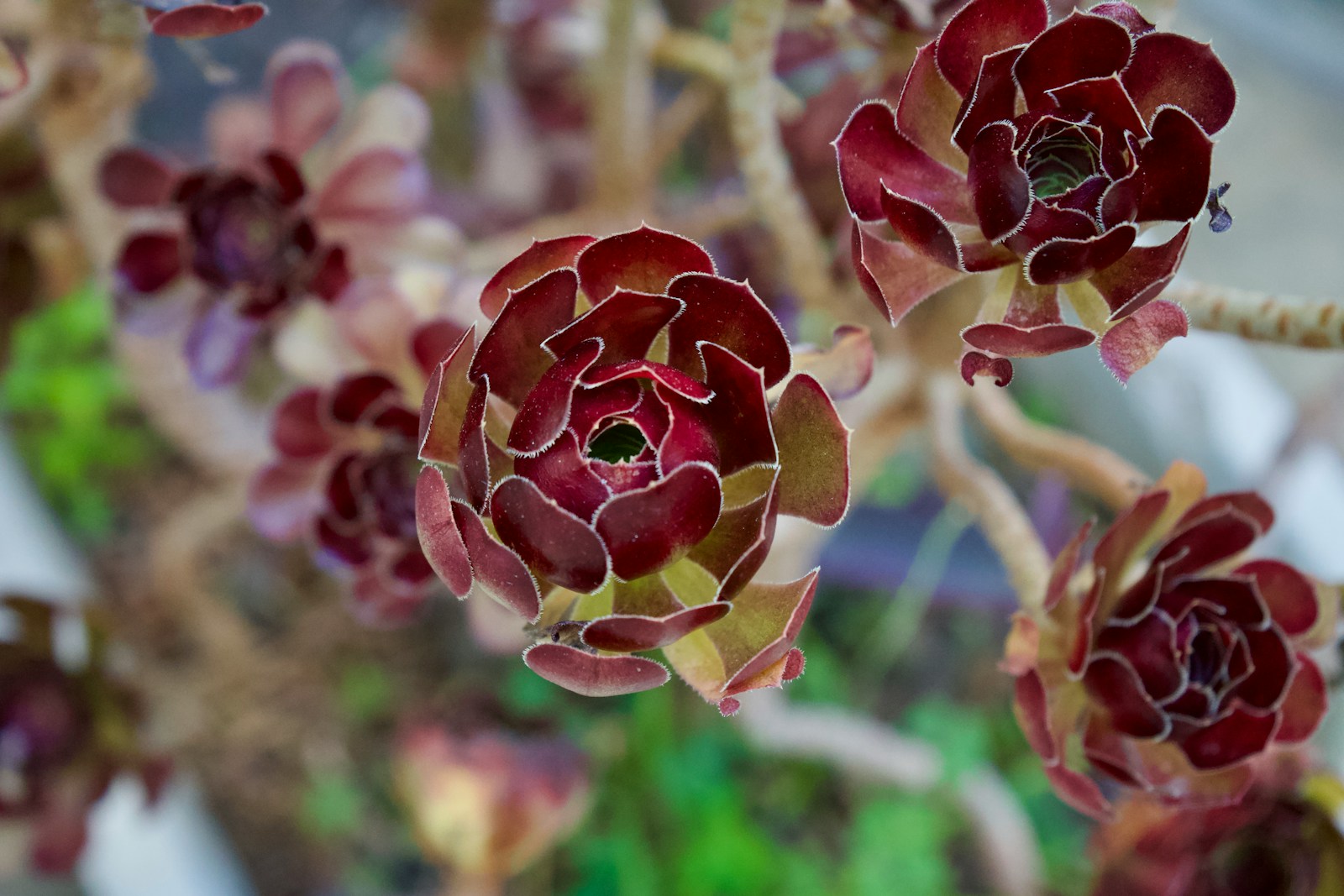
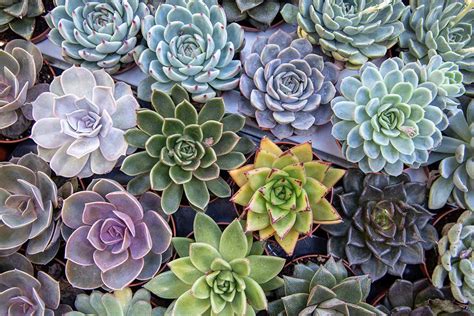
If you’ve ever seen a plant that looks like a perfect flower made of leaves, you’ve probably met an Echeveria. These little rosettes sit on windowsills, rock walls, and patio tables. They come in soft blues, frosty greens, lilacs, pink edges, and even ruffled shapes that look like tiny cabbages.
They’re tough, low-water succulents. But they still have some very clear likes and dislikes. When we understand those, Echeverias turn into some of the easiest and most rewarding plants we can grow.
Meet Echeveria
Echeverias are rosette-forming succulents from the Crassulaceae family. Most species are native to dry, rocky hillsides and semi-desert regions of Mexico, with a few found in Central and South America.
In the wild, they cling to slopes and cliffs with:
- Thick, fleshy leaves that store water
- A powdery coating (farina) that protects them from sun and moisture loss
- Compact rosettes that shed water away from the center
In our homes and gardens, we mainly grow them as ornamentals in pots, bowls, and rock beds. Many kinds stay quite small. Others can form wide rosettes and big clumps over time.
Colors, Shapes, and Popular Types
Part of the fun with Echeverias is how many looks they have. Growers and collectors have named hundreds of species and hybrids. You’ll find:
- Classic rosettes in silver blue or soft green
- Pink or red tips that show up in strong light or cool nights
- Ruffled “lettuce” types with frilly leaf edges
- Tiny miniature forms that stay under 4 inches across
- Powdered, ghostly types with a thick white bloom
A few names you’ll see often:
- Echeveria elegans – “Mexican snowball,” a tight pale blue rosette that carpets rocky slopes in its native Mexico.
- Echeveria glauca and E. derenbergii – often sold as “blue Echeveria,” “wax rosette,” or similar names.
- Echeveria gibbiflora and its hybrids – big, ruffled rosettes with showy flowers.
Most of them send up arching flower stalks with small, bell-shaped blooms in coral, orange, pink, or yellow. Pollinators love them, and the stems give a lot of extra interest through the growing season.
Light: The Number One Thing Echeveria Need
If we remember only one rule, it should be this: Echeverias are full-sun succulents.
In nature, they grow in bright, open places with strong sun. Indoors, they want the brightest window we can give them. Outdoors, they like several hours of direct sun, especially morning sun.
When light is too low, Echeverias “stretch.” The rosette opens up, leaves move far apart, and the plant leans toward the nearest light source. This is called etiolation. It makes the plant weak and more likely to burn or rot later.
Good light helps them:
- Keep tight rosettes
- Show their best colors
- Grow strong, short stems
A south or west window indoors, or a sunny patio outdoors, usually works well. If we move a plant from shade to strong sun, we should do it slowly over a week or two to avoid sunburn.
Soil and Pots: Drainage First
Echeverias hate sitting in wet, heavy soil. Their roots are built for quick drinks and fast drying. In a pot, that means we want:
- A gritty, fast-draining mix, like cactus/succulent soil
- Extra perlite, pumice, or coarse sand if the mix feels dense
- A pot with a drainage hole
Terracotta pots are helpful because they let water escape through the sides as well as the bottom. Shallow, wide pots fit their natural growth habit and help soil dry evenly.
If we use decorative cachepots with no holes, it’s safer to keep the Echeveria in a plastic nursery pot inside and empty any water that collects.
Watering: “Soak and Dry”
Most people who lose an Echeveria lose it to overwatering, not drought. In nature, these plants get bursts of rain and then long dry spells. We can copy that pattern with a “soak and dry” routine:
- Let the soil dry out fully.
- Water deeply until water runs out the drainage hole.
- Tip out any extra water from saucers.
- Wait again until the soil is dry.
Signs we’re watering too much or the soil stays wet too long:
- Leaves at the bottom turn mushy and fall off easily.
- The rosette feels soft at the base.
- The plant smells sour or looks black at the center.
On the other side, a thirsty Echeveria shows wrinkled or thin leaves, but the stem stays firm. That’s our cue for a good soak.
In cool or dark seasons, they need less water. In hot, bright weather, they use more. Our fingers in the soil are still the best moisture meter.
Temperature and Indoor / Outdoor Life
Most Echeverias like it warm and dry. Many tolerate brief drops close to freezing, but they are not true frost-hardy. A safe range is:
- Ideal: 65–80°F (18–27°C)
- Short dips to around 32°F (0°C) for hardy species if kept dry
- Protect from hard freezes and icy rain
In cold-winter areas, we can grow them outside in summer and bring them indoors before frost. In mild climates, they’re staples of rock gardens, terraces, and even green roofs.
Indoors, they do best away from cold drafts and very hot, dry heater blasts. Good air flow and bright light prevent many problems.
Fertilizer: A Little Goes a Long Way
Echeverias don’t need rich soil. Too much fertilizer can make them grow fast, soft, and pale.
A light hand works well:
- Use a diluted, balanced liquid fertilizer (like 1/4 strength).
- Feed only during active growth in spring and summer.
- Skip feeding in fall and winter when growth slows.
Slow, steady growth gives stronger rosettes, better color, and fewer rot issues.
Propagation: New Plants From One Rosette
One of the joys of Echeveria is how easy it is to make more. There are three common ways.
1. Offsets (“Pups”)
Many types produce small rosettes at the base. We can:
- Gently lift the parent plant and brush away some soil.
- Cut the offset away with a clean knife, keeping some roots if possible.
- Let the cut dry for a day until it scabs over.
- Replant in dry succulent soil and wait a few days before watering.
2. Leaf Cuttings
Some Echeverias will grow new plants from single leaves:
- Twist off a healthy leaf so it comes away clean at the stem.
- Let it dry on a tray out of direct sun for a few days.
- Place it on top of dry, gritty mix.
- Mist very lightly now and then until roots and tiny rosettes form.
Once the baby rosette is big enough, we can pot it up on its own.
3. Stem Cuttings
If a plant has stretched or the stem is long and bare, we can:
- Cut the rosette off with a bit of stem attached.
- Let the cut end callus for several days.
- Replant the rosette in dry soil.
The old stem often sprouts new pups, so we may get several plants from one tired rosette.
Common Problems and How We Avoid Them
Even tough plants have weak spots. With Echeverias, these are the ones we see most often.
Stretching (Etiolation)
Cause: Not enough light, sometimes combined with too much warmth and water. The rosette opens and leaves space out.
What helps:
- Move to a brighter spot, increasing light slowly.
- Use grow lights if windows are weak.
- Water a bit less while the plant adjusts.
Rot and Leaf Drop
Cause: Wet, heavy soil or watering too often. Lower leaves turn mushy and fall; centers may rot.
What helps:
- Repot into a fast-draining mix.
- Make sure the pot has a drainage hole.
- Follow “soak and dry” watering.
Pests
Mealybugs, aphids, and scale sometimes hide in the leaf bases or on flower stalks. Sticky residue or cottony clumps are early signs.
We can:
- Isolate the plant
- Dab pests with cotton swabs dipped in 70% alcohol
- Use insecticidal soap or horticultural oil if needed
Good light, airflow, and dry leaf surfaces make the plant less attractive to pests in the first place.(Almanac)
Are Echeverias Safe for Pets?
Many of us share our homes with both plants and animals, so safety matters. The good news: Echeverias are considered non-toxic to cats, dogs, and even horses according to ASPCA plant listings and recent vet-reviewed guides.
Like with any plant, if a pet eats a lot of it, they could still get a mild upset stomach, but serious poisoning is not expected. It’s still smart to keep plants out of reach of heavy chewers so both the pet and the rosette stay in good shape.
Design Ideas: Using Echeverias Indoors and Out
Because they stay neat and compact, Echeverias slip into many spots.
A few ideas:
- Tabletop bowls – Mix several colors and textures in a wide, shallow pot.
- Rock gardens – Tuck rosettes between stones where soil drains fast.
- Wall planters – Use small rosettes in vertical pockets or frames.
- Mixed succulent pots – Pair with upright cacti, string-type succulents, or sedums for contrast.
Outdoors in warm, dry climates, they shine in xeriscapes and gravel beds. In colder zones, they become seasonal stars on decks and porches, then move inside for winter.
Everyday Magic in a Rosette
Echeverias look exotic, but their needs are simple once we match how they live in the wild. Bright light, quick-draining soil, deep but infrequent water, and protection from hard frost carry them a long way.
When we give them those basics, they repay us with rosettes that change color with the seasons, send up graceful flower stalks, and clone themselves into little colonies over time. For a plant that often fits in the palm of your hand, that’s a lot of quiet magic.
If you’ve ever seen a plant that looks like a perfect flower made of leaves, you’ve probably met an Echeveria. These little rosettes sit on windowsills, rock walls, and patio tables. They come in soft blues, frosty greens, lilacs, pink edges, and even ruffled shapes that look like tiny cabbages. They’re tough, low-water succulents. But…
If you’ve ever seen a plant that looks like a perfect flower made of leaves, you’ve probably met an Echeveria. These little rosettes sit on windowsills, rock walls, and patio tables. They come in soft blues, frosty greens, lilacs, pink edges, and even ruffled shapes that look like tiny cabbages. They’re tough, low-water succulents. But…