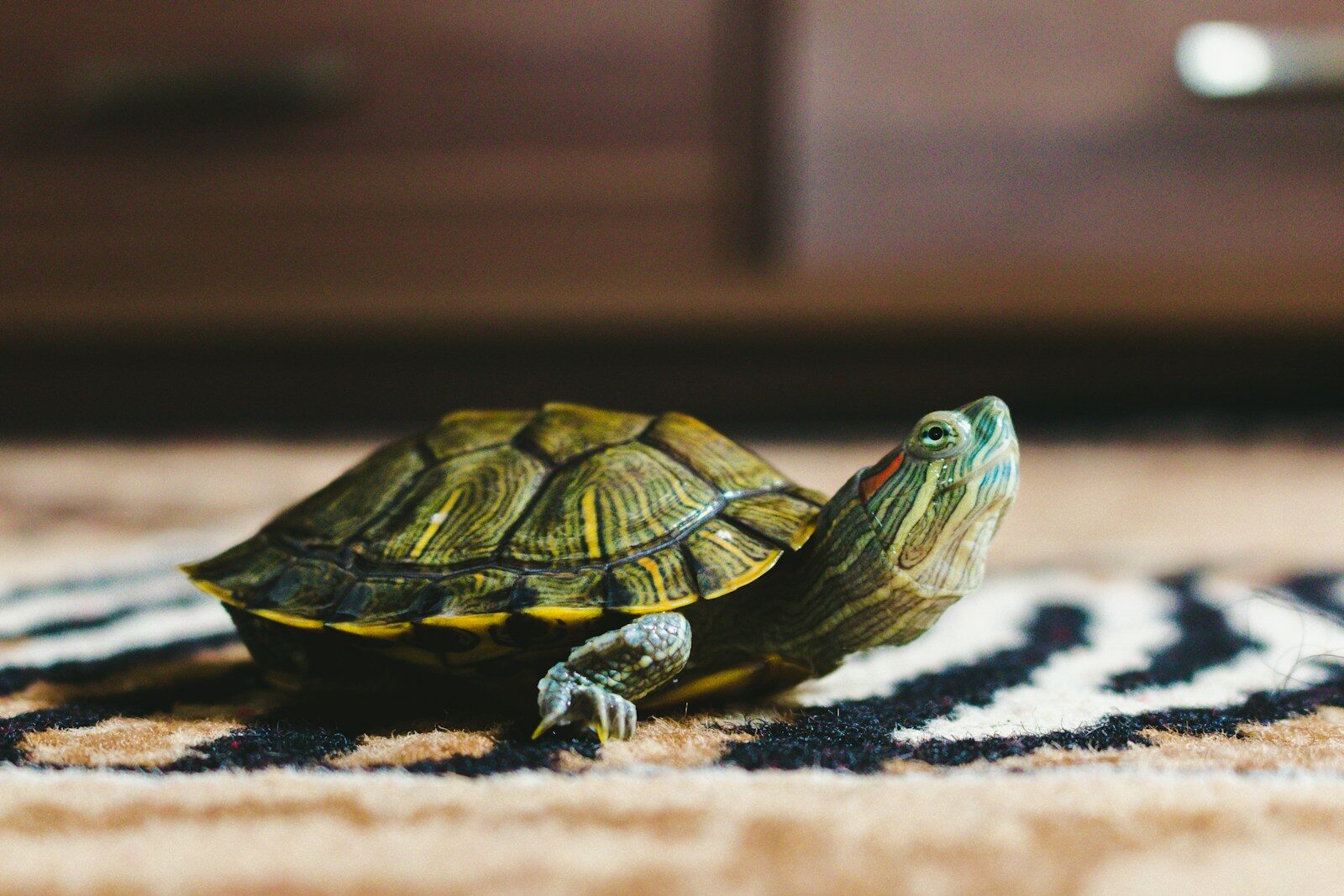
How Long Can Red-Eared Sliders Go Without Food? What Turtle Owners Should Know
Red-eared sliders can go longer without food than many pets. But that does not mean we should test them.
A healthy adult red-eared slider may be able to miss food for a few days without trouble. Some adults may survive longer in the right conditions. But survival is not the same as good care.
That is the key point.
If your turtle skipped one meal, do not panic. If you are leaving town for a week, plan ahead. If a young turtle stops eating, take it more seriously. And if your turtle refuses food and also acts weak, floats oddly, wheezes, has swollen eyes, or will not bask, it may need a reptile vet.
Is Pennsylvania an At-Will State? What That Really Means at Work. In other words, the real question is not only “How long can it go?” The better question is, “Why is it not eating?”
Adults And Babies Are Different
Age matters a lot.
Young red-eared sliders grow fast. They need food more often. Many care guides suggest feeding juveniles daily. Adults eat less often. VCA says adult aquatic turtles may be offered a good-sized portion every two or three days.
That is why a missed meal means different things.
An adult that ate well yesterday and skips today may be fine. A tiny young slider that goes several days with no food is more concerning.
Baby turtles have less stored energy. They can weaken faster. They also tend to be more sensitive to poor water temperature, stress, and illness.
So we should not use adult rules for babies.
A Short Fast Is Not Always An Emergency
Sometimes a red-eared slider refuses food for a simple reason.
Maybe the water is too cold. Maybe the turtle is stressed from a new tank. Maybe the food is boring. Maybe the turtle is full. Maybe the lights are wrong. Maybe the water is dirty. Maybe it is trying to adjust after travel.
Adult turtles may also beg for food even when they do not need it. This can fool us. They learn that people mean snacks. So they paddle, splash, and stare like they are starving.
But overfeeding is common. It can dirty the water and lead to health problems.
A steady feeding plan is better than feeding every time the turtle begs.
Food Is Only Part Of The Care
A turtle that is not eating may not have a food problem. It may have a habitat problem.
Red-eared sliders need warm water, a dry basking spot, UVB light, clean water, and room to swim. If one of those pieces is wrong, appetite can drop.
Temperature is a big one. Turtles are reptiles. Their body temperature depends on the world around them. If the water is too cool, digestion slows. A turtle may stop eating because its body is not warm enough to process food well.
Lighting matters too. UVB helps turtles use calcium. Basking helps them dry out, warm up, and stay healthy.
Clean water also matters. Sliders are messy. Old food, waste, and poor filtration can stress them.
So before we blame the food, we should check the whole setup.
How Often Should You Feed A Red-Eared Slider?
A simple pattern works for many healthy pets.
Juveniles often eat daily. Adults often eat every two or three days. Some keepers offer vegetables more often and protein less often as the turtle matures.
Red-eared sliders are omnivores. Young turtles tend to eat more animal protein. Adults often need more plant matter. That can include safe leafy greens, aquatic plants, and commercial turtle pellets.
The diet should not be only dried shrimp. It should not be only lettuce. And it should not be random leftovers.
A varied diet helps prevent gaps. Bass Pro Shop Independence, Missouri.
Many sliders also need calcium support, such as cuttlebone or a calcium source made for turtles. A reptile vet can help match diet to age, shell condition, and size.
What If You Are Going Away?
If you are gone for one or two days and your turtle is a healthy adult, it may not need special feeding. Make sure the lights, water, heater, and filter are safe.
If you are gone longer, ask someone reliable to check the turtle.
Leave clear written instructions. Do not say, “Feed a little.” That can lead to overfeeding. Instead, pre-measure portions. Label the days. Explain that extra food will not mean extra love.
Also ask the person to check the water level, lights, filter, and turtle behavior.
Automatic feeders may work for some dry foods, but they are not a full pet sitter. They cannot notice sickness. They cannot fix a heater. They cannot remove old food.
When Not Eating Is A Warning Sign
A red-eared slider that skips food but acts normal may just need observation. But certain signs are more serious.
Watch for swollen eyes, bubbles from the nose, open-mouth breathing, wheezing, a tilted swim, soft shell spots, shell odor, strange patches, extreme tiredness, or staying in one place all day.
Also watch for major changes in basking. If a turtle never basks, that is a problem. If it basks all day and avoids water, that can also be a problem.
A sick turtle may stop eating early. By the time it looks very weak, the issue may be advanced.
So if appetite loss lasts several days, or if you see other symptoms, call a reptile vet.
Do Not Force Food Without Advice
It can be scary when a pet will not eat. But forcing food into a turtle’s mouth can injure it or cause choking.
Best Footwear for Different Types of Terrain. Instead, check the basics first.
Is the water warm enough? Is there a working basking area? Is there UVB light? Is the water clean? Is the turtle being handled too much? Is the food appropriate? Is the turtle new to the home?
You can try offering a familiar food. You can also offer food in water, since sliders eat in water. But if the turtle still refuses, get help.
A Gentle Rule For Turtle Owners
A healthy adult red-eared slider can usually handle a brief gap in feeding. A few missed days may not be a crisis.
But long gaps should not be normal. Young turtles need more frequent care. Sick turtles need attention. And every turtle needs clean water, heat, UVB, and a safe basking place more than it needs a pile of food.
Instead of asking how long your turtle can go without food, ask what would help it eat normally again.
That is kinder. It is safer. And it keeps us focused on care, not limits.
The Quiet Care A Slider Needs
Red-eared sliders look tough. In many ways, they are. But they still depend on us. Camping in Yosemite National Park: A Simple Guide to an Epic Adventure.
They cannot adjust the heater. They cannot replace the UVB bulb. They cannot clean the filter. They cannot tell us their eyes hurt or their shell feels wrong.
So we watch. We learn their normal rhythm. We feed enough, not too much. We plan before trips. And when something feels off, we do not wait forever.
A turtle can survive a short fast. But a well-kept turtle should not have to.
Red-eared sliders can go longer without food than many pets. But that does not mean we should test them. A healthy adult red-eared slider may be able to miss food for a few days without trouble. Some adults may survive longer in the right conditions. But survival is not the same as good care. That…
Red-eared sliders can go longer without food than many pets. But that does not mean we should test them. A healthy adult red-eared slider may be able to miss food for a few days without trouble. Some adults may survive longer in the right conditions. But survival is not the same as good care. That…