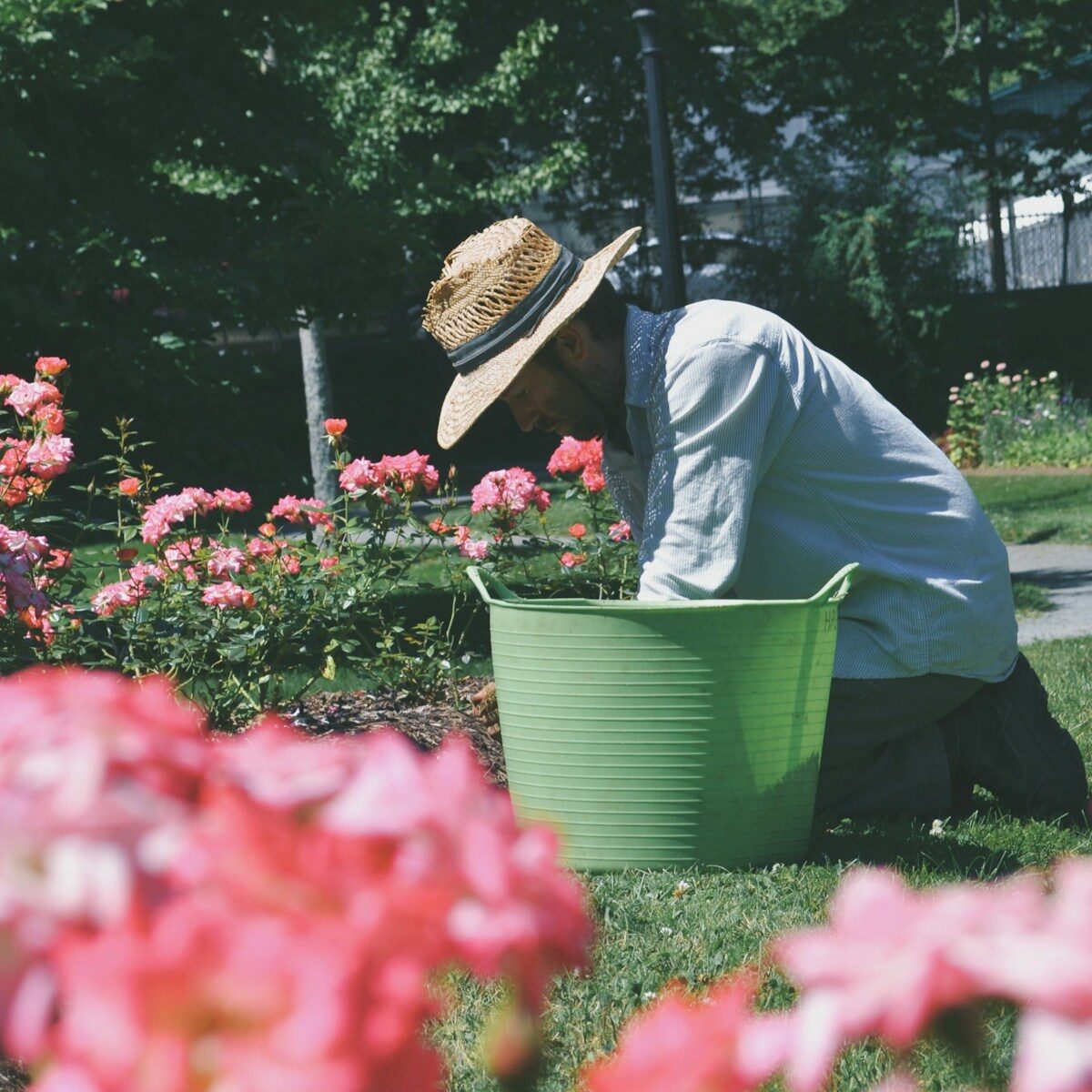
How To Make A Flower Garden
A flower garden does not have to be fancy.
It can be a small bed by the porch. It can be a strip along a fence. It can be a few pots near the door. It can also be a big border full of color, bees, butterflies, and cut flowers.
The best flower garden is the one you can care for and enjoy.
So let’s build it in a simple way.
Start With The Purpose
Before we dig, we should ask one question. Zinnia Varieties: Discover the Many Different Types of Zinnia Flowers.
What do we want this garden to do?
Do we want color by the front door? Do we want flowers to cut and bring inside? Do we want butterflies and bees? Do we want low care? Do we want blooms all season?
A clear goal helps us choose the right plants.
A pollinator garden, for example, should include nectar, pollen, host plants, water, and safe shelter. The U.S. Fish and Wildlife Service says a pollinator garden can start with small plants, proper planting holes, compost or soil around the roots, mulch, water, and patience.
That is a good plan for many flower gardens, not just pollinator beds.
Pick The Right Spot
Most flowering plants need sun. Many popular annuals and perennials bloom best with at least several hours of direct light.
Mississippi State Extension says full-sun annuals such as periwinkle and marigold grow and flower best with 4 to 6 hours of direct sunlight each day. It also warns against spots where water stands after heavy rain.
So watch your yard for one day.
Where is the sun in the morning?
Where is it in the afternoon?
Where does water collect?
Where can you reach with a hose?
A flower bed near water is easier to keep alive. A bed near a door or path is easier to enjoy.
Choose The Shape
A flower garden can be formal or loose.
For beginners, a simple curved bed is forgiving. A rectangle is easy to measure. A border along a fence is easy to maintain.
Use a garden hose to mark the shape on the ground. Step back and look. Change the curve until it feels right.
Keep the bed narrow enough to reach. A bed against a fence should often be about 2 to 3 feet deep if you can only reach from one side. An island bed can be wider if you can reach from all sides.
Spalding Flower Parade Then and Now. Do not make the first garden too large. A small healthy garden is better than a large weedy one.
Clear The Ground
Remove grass and weeds before planting.
You can dig them out. You can smother them with cardboard and mulch. You can use a sod cutter for a large area.
The key is to remove roots. If you leave grass roots in place, they will come back.
Take your time here. This is not the fun part, but it makes the garden easier later.
Build Better Soil
Flowers need soil that drains well but still holds some moisture.
Clemson Extension says good soil preparation is very important for perennials because they may stay in place for years. It recommends deeply working beds and adding organic matter to improve clay or sandy soils.
You do not need perfect soil. You need living soil.
Mix in compost. Break up hard clumps. Remove rocks and roots. Avoid working soil when it is soaking wet because that can make it compacted.
If you are not sure what your soil needs, get a soil test through a local extension office.
Pick Annuals, Perennials, Or Both
Annuals usually bloom for one season. They are great for fast color.
Perennials come back year after year. They may cost more at first, but they can build a garden over time.
A good flower garden often uses both.
Use perennials as the backbone. Add annuals for color while the perennials grow. Woods & Wildflowers: Chambers Farm Wood.
Native plants are also worth considering. The National Wildlife Federation says native plants provide strong habitat for native wildlife and support birds, pollinators, and other wildlife under stress from climate change.
Native does not mean messy. It means the plant belongs in your region and supports local life.
Plan For Bloom Time
A common beginner mistake is buying only what looks good at the garden center that day.
That can create a garden that blooms for three weeks, then turns green.
Instead, choose flowers for spring, summer, and fall.
Spring: bulbs, columbine, dianthus, creeping phlox.
Summer: coneflower, zinnia, black-eyed Susan, salvia, daylily.
Fall: aster, goldenrod, sedum, mums.
Your exact plants should match your climate. But the idea is the same. Stagger bloom times so something is always happening.
Use Height And Layers
Put taller plants in the back if the bed is against a wall or fence.
Put taller plants in the middle if the bed is an island.
Use medium plants around them.
Use low plants near the edge.
This creates depth. It also keeps small flowers from hiding behind tall ones.
Repeat some plants through the bed. Repetition makes a garden feel calm. One of everything can feel busy.
Plant The Right Way
Where Petals Speak and Roots Run Deep: The Story of Alabama’s Native Flowers. Set plants in place before digging. Move them around until the spacing feels right.
Read the plant tag. A tiny plant may become 2 feet wide later.
Dig a hole about as deep as the root ball and a little wider. Set the plant so the top of the root ball is level with the soil. Fill around it. Press gently. Water well.
Do not bury the crown of the plant too deep. Many flowers hate that.
Add Mulch
Mulch helps hold moisture and reduce weeds.
Penn State Extension says many perennials grow best in well-drained soil and recommends a 2- to 3-inch layer of mulch to conserve water and reduce weeding.
Keep mulch away from plant stems. Piling mulch against stems can invite rot.
Organic mulch like shredded bark, leaves, pine straw, or compost can work well.
Water With Care
New flower gardens need steady water while roots settle in.
Water deeply. Then let the soil breathe.
A quick sprinkle every day can create shallow roots. A deep soak teaches roots to grow down.
Check the soil with your finger. If the top inch or two is dry, water. If it is still wet, wait.
Containers dry faster than beds. Raised beds can dry faster too.
Keep It Going
A flower garden is not done on planting day Bat Flower Firecracker.
Pull weeds when they are small.
Deadhead flowers if the plant blooms better that way.
Cut back dead stems when needed.
Divide crowded perennials after a few years.
Add compost each season.
Watch what thrives and what struggles.
A garden teaches us if we pay attention.
A Soft Place To Begin
To make a flower garden, start small. Pick a sunny, well-drained spot. Clear the ground. Add compost. Choose plants that fit your light, soil, and climate. Mix annuals and perennials. Mulch. Water. Watch.
That is the whole secret.
We do not need a perfect yard. We need a place where roots can grow and we can enjoy what comes next. 🌸
A flower garden does not have to be fancy. It can be a small bed by the porch. It can be a strip along a fence. It can be a few pots near the door. It can also be a big border full of color, bees, butterflies, and cut flowers. The best flower garden is…
A flower garden does not have to be fancy. It can be a small bed by the porch. It can be a strip along a fence. It can be a few pots near the door. It can also be a big border full of color, bees, butterflies, and cut flowers. The best flower garden is…