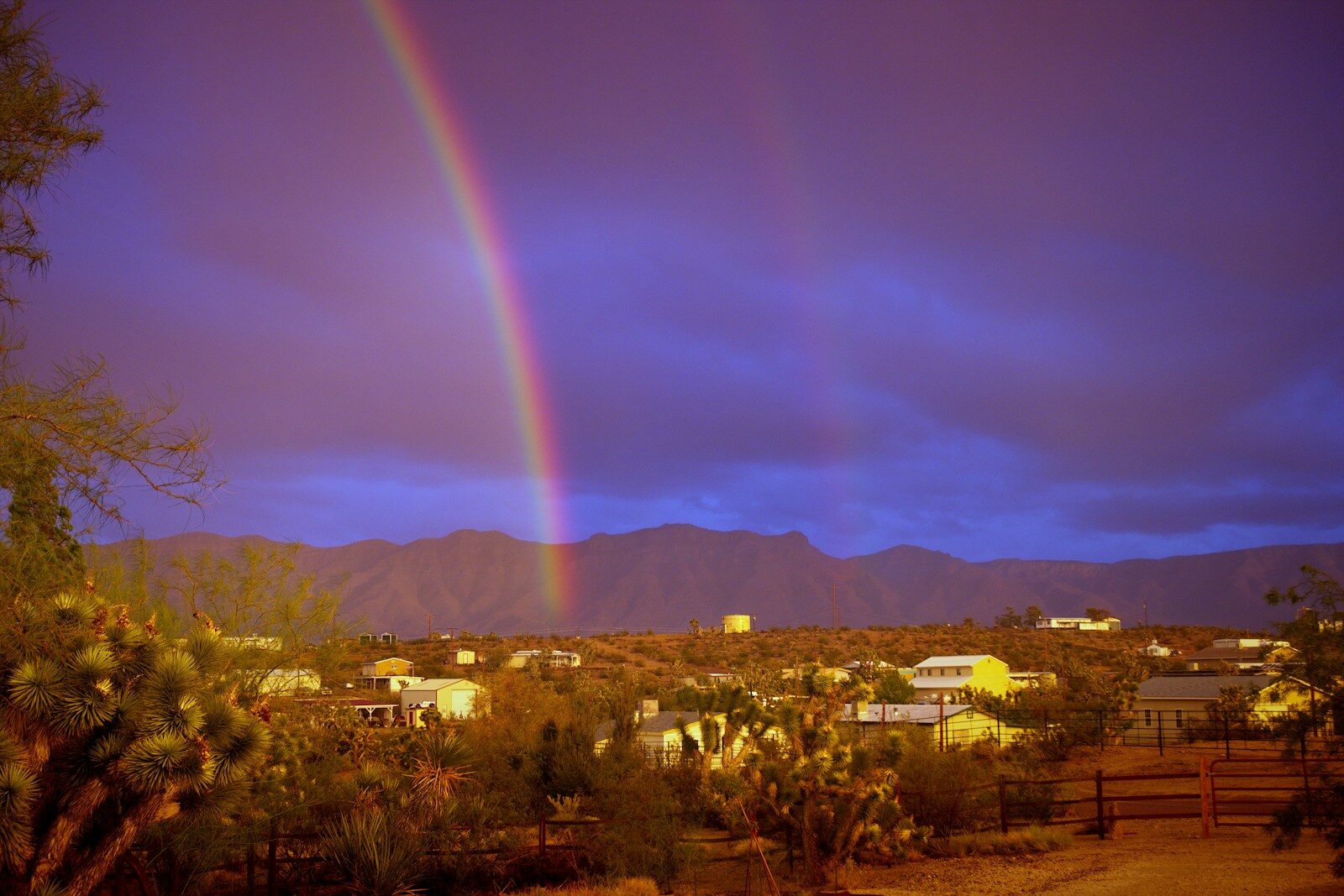
How Arizona Monsoon Season Works and How to Prepare Your Home
Arizona monsoon season is not one giant storm. It is a weather pattern. In simple terms, summer heat over the Southwest helps pull more moisture north from nearby tropical waters. As that moisture moves in, the weather changes from very dry heat to a stretch of humid days with building clouds, gusty winds, lightning, and rounds of thunderstorms. The National Weather Service defines the Arizona monsoon season as June 15 through September 30. In Phoenix, city guidance says storms often peak from mid-July to mid-August. In northern Arizona, monsoonal moisture often does not really settle in until about the first week of July.
That timing matters because many people think the monsoon starts the first time they hear thunder. That is not how it works. A single storm is not “the monsoon.” The monsoon is the larger shift in wind and moisture that makes those storms more likely day after day. Some years it ramps up early. Some years it stalls. Some years one town gets soaked while the next town barely gets rain. Yuzu Explained: What It Tastes Like and Easy Ways to Cook With It. The National Weather Service says every monsoon season is different, and rainfall can vary a lot from place to place because these storms are scattered and uneven.
Why the monsoon feels so wild
Arizona monsoon storms can build fast, especially in the afternoon and evening. Northern Arizona guidance from the National Weather Service says monsoon rain often comes in the form of afternoon and evening thunderstorms rather than all-day rain. Those storms can send out strong outflow winds far ahead of the rain itself. So the first sign of a storm may not be raindrops. It may be a sudden wind shift, a wall of dust, or a sharp drop in visibility on the road.
This is also why monsoon season is taken so seriously. National Weather Service offices in Arizona say it is the most dangerous time of year weather-wise in the state. The risks are not just rain. They include flash flooding, dust storms, damaging straight-line winds, frequent lightning, power outages, and, in some places, wildfire starts from dry lightning. In northern Arizona, the fire threat can stay elevated at the start of the season until more widespread rain arrives.
Dust storms, or haboobs, are one of the most Arizona parts of the monsoon. The National Weather Service says haboobs happen when thunderstorm outflow winds kick up dust and sharply reduce visibility. Tucson monsoon guidance adds that dust storms are often more common in the early part of the season, though they can happen anytime thunderstorms are nearby. That is why a storm many miles away can still create dangerous travel conditions where you are standing.
What this means for your house
Your home does not need to be “storm proof” to do better in monsoon season. It just needs fewer weak spots. Arizona city and weather guidance tends to repeat the same basic idea: reduce things that can blow away, clog up, break off, or let water in. The homes that struggle most are often the ones with small neglected issues, like clogged drainage, loose patio gear, overhanging limbs, or no plan for a power outage.
Start outside. Trim trees so branches are not hanging over the roof or rubbing against windows. Tempe’s storm guidance tells residents to trim trees away from roofs and windows and to clear debris from roof drainage systems, including gutters and downspouts. That is plain advice, but it matters. High wind plus a weak limb is how a quiet yard turns into a repair bill. And if your roof drainage is packed with leaves and junk, even a short hard rain can send water where you do not want it.
Best Walks Around Spalding (Easy Routes, Big Skies). Next, deal with loose objects before the storms deal with them for you. National Weather Service monsoon safety guidance says to secure outdoor furniture and garbage cans or move them indoors before the season. Tucson guidance also says to close garage doors to help prevent inward rushing air from adding to structural damage in strong winds. Utility guidance from APS and SRP adds another reason to do this: yard items like umbrellas, tarps, trampolines, and other light objects can end up in power lines and cause outages.
Then look at drainage around the house. Tempe warns that flooding can get much worse when storm drains are blocked by debris and says roof drains, gutters, and downspouts should be cleared before storm season. If water already tends to pool near your home, do not shrug that off. Monsoon rain can come down hard and fast, and low spots around foundations, patios, garages, and side yards are the places where small drainage problems become indoor problems.
It is also smart to think through the power-outage side before the first bad storm. APS says households should have an emergency supply kit for prolonged outages with water, nonperishable food, a first-aid kit, a battery-operated radio, flashlights, extra batteries, a portable phone charger, and needed medication. APS also recommends knowing how to open an automatic garage door manually. Those are simple steps, but during a hot Arizona outage, simple is exactly what you want.
The alert systems that actually help
A lot of monsoon safety comes down to getting the warning in time. The National Weather Service says watches mean dangerous weather is possible, while warnings mean it is happening or about to happen and you need to act. It also points people to NOAA Weather Radio, AM/FM radio, television, and mobile access as ways to stay informed. Wireless Emergency Alerts can also push warning messages to phones in the threatened area. In other words, do not rely on looking out the window once the sky gets weird. Have a way to get official warnings quickly.
For Arizona homes, that means a few practical habits. Keep your phone charged when storms are in the forecast. Turn on emergency alerts. Know where you would go in the house for the best shelter from wind and broken glass. Keep flashlights where you can find them in the dark. If someone in the home depends on powered medical equipment, backup planning matters even more. Phoenix’s emergency pages also point residents to local alert systems and emergency resources, which is worth setting up before you need them.
What to do when the storm is here
Once a monsoon storm is close, the main job is to stop trying to “beat it.” If thunder is close enough to hear, the National Weather Service says you are close enough to be struck by lightning. Go indoors or into a hard-topped vehicle, and stay away from windows, plumbing, and corded electrical equipment until the storm has moved away. Fenland Flats: PR-Friendly 5Ks and 10Ks. It also says to wait 30 minutes after the last thunder before going back outside.
If blowing dust is moving toward the road, the rule is even more direct. The National Weather Service says a Dust Storm Warning means visibility of a quarter mile or less is expected or happening, and drivers should pull off the road now. Arizona warning messages use the phrase “Pull Aside, Stay Alive,” with specific advice to pull far off the roadway, put the vehicle in park, turn the lights off, and keep your foot off the brake. That last part surprises people, but it is meant to keep other drivers from following your lights into your stopped car.
Flooding is the other big trap. Arizona has many washes, dips, and low-water crossings that can flood quickly. The National Weather Service says flash flood warnings mean life-threatening rapid flooding is happening or about to happen and people should move to higher ground. It also repeats the rule many of us have heard for years: Turn Around, Don’t Drown. Weather safety guidance says do not drive or walk through flooded roads because you may not know the depth or whether the road is washed out.
After the wind and rain pass
After a storm, slow down before you start cleanup. Watch for downed power lines, hanging limbs, loose roofing, and standing water where electrical hazards may be hiding. Is Spalding England worth visiting? If your neighborhood has blocked drains, fallen debris, or flooded streets, city resources can help with reporting and cleanup guidance. Phoenix’s monsoon resource page also includes outage contacts, street-closure tools, and storm-debris information, which is useful when the storm is over but the problems are not.
The best Arizona monsoon prep is not dramatic. It is a clean gutter. A trimmed branch. Patio chairs that are tied down or put away. A battery radio in a drawer. A phone alert you actually turned on. A family plan that is boring enough to work. That is usually how desert homes get through monsoon season best: not by trying to control the storm, but by making sure the storm has less to work with.
Arizona monsoon season is not one giant storm. It is a weather pattern. In simple terms, summer heat over the Southwest helps pull more moisture north from nearby tropical waters. As that moisture moves in, the weather changes from very dry heat to a stretch of humid days with building clouds, gusty winds, lightning, and…
Arizona monsoon season is not one giant storm. It is a weather pattern. In simple terms, summer heat over the Southwest helps pull more moisture north from nearby tropical waters. As that moisture moves in, the weather changes from very dry heat to a stretch of humid days with building clouds, gusty winds, lightning, and…