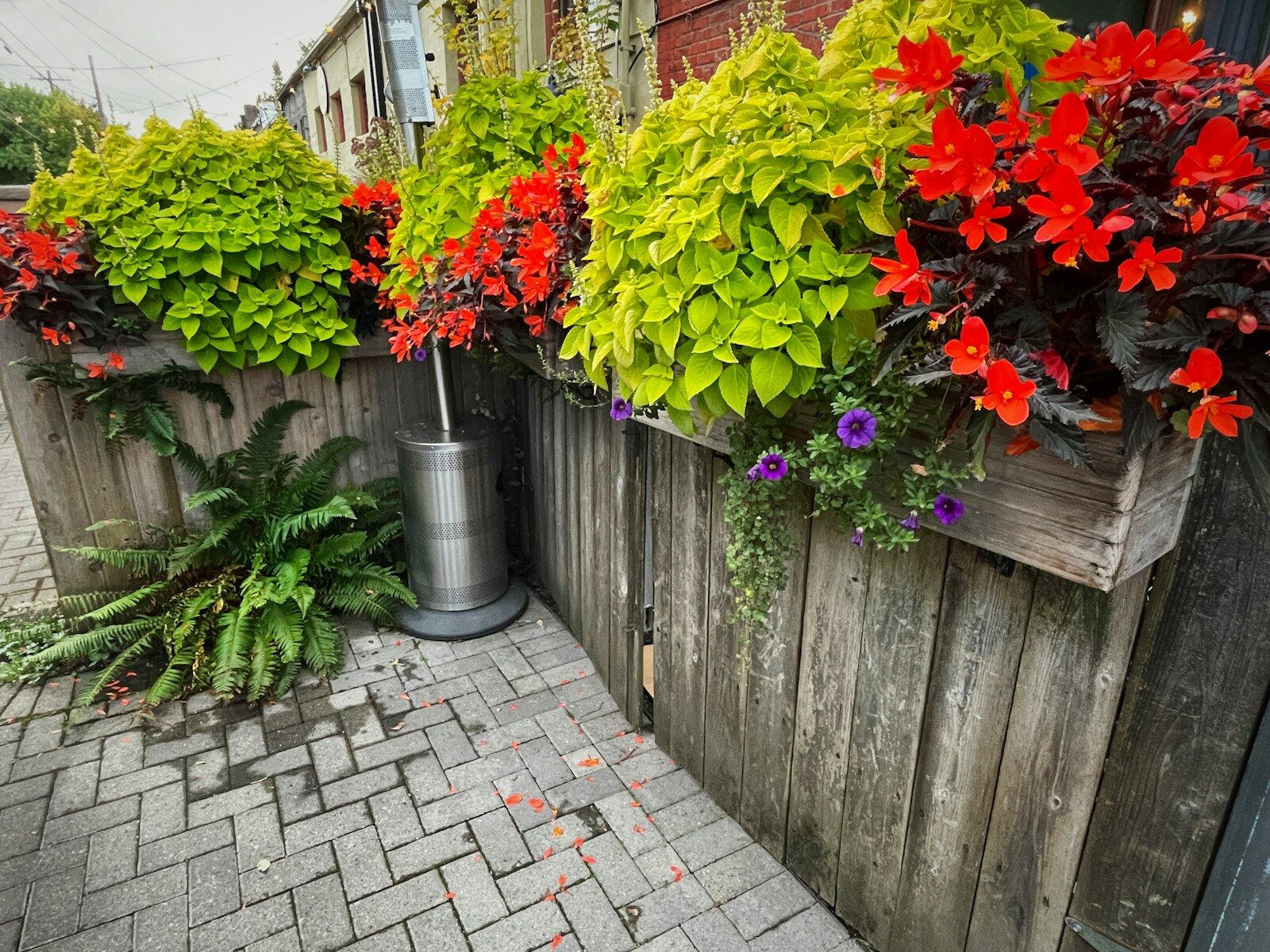
How to Build Garden Boxes
Garden boxes make growing food feel easier. They give us a clean space to plant. They help with weeds. They make poor soil less of a problem. And they can make the whole yard look more put together.
A garden box is often called a raised bed. It is usually a frame that sits on top of the ground. You fill it with good soil, compost, and plants. The bottom can stay open so roots can grow down into the earth. That is best for most vegetables.
You can build one with wood, blocks, brick, metal, or stone. The University of Florida says raised bed frames can be made from rot-resistant lumber, brick, landscape timbers, or concrete blocks. What Size Is A Garden Hose Fitting?
The best beginner size is 4 feet wide by 8 feet long. Four feet matters because you can reach the middle from either side. If the box is too wide, you will step into the bed. That packs the soil down, and roots do not like that.
For height, 10 to 12 inches works for many vegetables if the box sits on decent ground. If the box is on concrete or a hard surface, go deeper. The University of Maryland Extension says raised beds on hard surfaces should be at least 8 inches deep for leafy greens, beans, and cucumbers, and 12 to 24 inches deep for peppers, tomatoes, and squash.
For wood, cedar and redwood last longer. Pine is cheaper, but it may rot faster. If you use pressure-treated wood, make sure it is labeled safe for food gardens. NC State Extension lists cedar, redwood, and pressure-treated pine labeled safe for food gardens as common options.
Here is a simple build.
Cut two boards at 8 feet and two boards at 4 feet. Use boards that are 10 to 12 inches wide. Lay them in a rectangle. Screw the corners together with outdoor screws. Add a small post inside each corner if you want more strength. For longer beds, add a brace across the middle so the sides do not bow out.
Pick a sunny spot. Most vegetables need at least 6 hours of sun. More is better for tomatoes, peppers, squash, beans, and cucumbers. Greens can handle some shade.
How To Make A Flower Garden – Clear the grass. You can dig it out, or you can cover it with plain cardboard. Wet the cardboard well. Then set the box on top. The cardboard helps block weeds and breaks down over time.
Fill the box with a good mix. A simple mix is compost plus raised bed soil or a soilless growing mix. The University of Maryland Extension suggests compost and soilless growing mix in a 1:1 ratio for raised beds, with some topsoil only in deeper beds.
Do not fill a deep box with only cheap dirt. It can get heavy and hard. Also, do not fill it with only potting mix. It may drain too fast and cost too much. Blend compost into the top layer each season.
After filling, water the soil well. It will settle. Add more mix if needed. Then plant.
For beginners, start with easy crops. Lettuce, radishes, bush beans, herbs, peppers, and Atkinson Tomato are good choices. Put tall plants on the north side if you can, so they do not shade smaller plants.
Water often at first. Raised beds drain well, but that means they can dry faster. Stick your finger into the soil. If it is dry about an inch down, water.
Mulch helps too. Straw, shredded leaves, or untreated grass clippings can keep soil moist and reduce weeds.
The First Box Is the Hardest
Once you build one garden box, the next one feels simple. You learn where the sun hits. You learn how fast your soil dries. You learn which crops your family eats.
Start with one or two boxes. Keep the design plain. Grow food you like. That is enough.
Garden boxes make growing food feel easier. They give us a clean space to plant. They help with weeds. They make poor soil less of a problem. And they can make the whole yard look more put together. A garden box is often called a raised bed. It is usually a frame that sits on…
Garden boxes make growing food feel easier. They give us a clean space to plant. They help with weeds. They make poor soil less of a problem. And they can make the whole yard look more put together. A garden box is often called a raised bed. It is usually a frame that sits on…