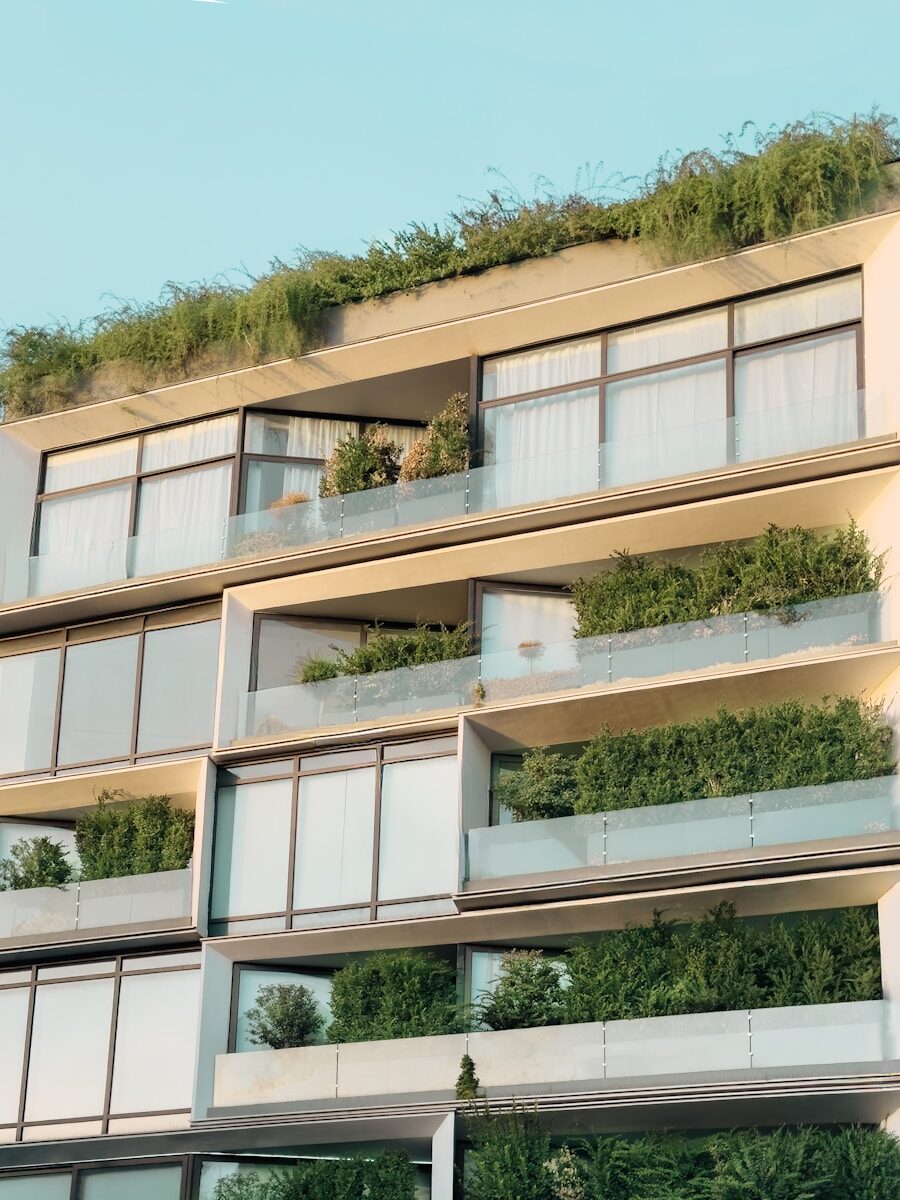
What Is a Garden-Style Apartment?
A garden-style apartment is usually a low-rise apartment in a group of buildings set around lawns, trees, courtyards, paths, or shared open space. Buildings are often one to three stories and may have outdoor entrances. The name describes the layout, not a private garden in every unit.
There is no single national rule for the term. One landlord may use it for a quiet suburban complex with large lawns. Another may use it for any low-rise walk-up. Read the listing details instead of relying on the label. Floor level, stairs, parking, laundry, sound, and outdoor access matter more than the marketing name.
Start With the Facts That Fit Your Case
Real estate words are often marketing words, not strict promises. Look at the exact unit, lease, fees, and site. Take photos during the tour when allowed. Ask the same questions in writing so you can compare homes on the same facts.
What Is a Garden Home? A Simple Guide to This Cozy, Low-Maintenance Home Style. Think through an ordinary day. Walk from parking to the door. Check stairs, light, noise, trash, laundry, mail, and weather exposure. A feature that looks small on a listing can shape daily life.
Keep every promise that matters in the lease or an addendum. A spoken promise may be hard to enforce later. Read before paying a deposit, and ask about any blank or unclear space.
Common building layout
Garden-style communities often spread several small buildings across a larger lot. Units may open to an outside walkway, stair, or courtyard instead of an indoor tower hall. The lower height can feel less dense. It also means the property may cover more land and require a longer walk to mail, trash, parking, or amenities.
What garden does and does not mean
The grounds may have grass, trees, shrubs, or planted courtyards. A unit may have a patio or balcony, but that is not guaranteed. Tenants may not be allowed to plant in shared soil. Ask who maintains the landscape and whether a private outdoor area is included in the lease.
Possible benefits
These apartments can offer easier outdoor access, more windows, lower building height, and a neighborhood feel. Ground-floor units may avoid elevators and long halls. Parking may be near the building. The open space can be pleasant for walking, though pet and play rules may limit how it is used.
Possible tradeoffs
Upper floors may require stairs. Ground floors can face more noise, insects, moisture, or privacy concerns. Outdoor entrances expose residents to weather.
Large grounds can add walking distance. Older buildings may have less sound control or fewer modern accessibility features. Tour the exact unit, not only a model.
Questions for a tour
Ask about stairs, ramps, lighting, drainage, pests, package delivery, parking, snow or leaf care, and quiet hours. Open windows and listen.
Check phone signal and water pressure. Visit after rain if drainage worries you. Look at the route from the unit to parking and trash after dark.
Read the lease and costs
Check which utilities you pay, how water is billed, and whether parking, pets, trash, or pest control add fees. Ask who controls the patio or yard. Confirm maintenance response and entry rules. A lovely courtyard does not offset a lease term that does not fit your budget or daily needs.
A Simple Way to Put This Into Practice
Use the steps below as a working list. Do one step at a time. Mark what is done. Pause when a rule, symptom, safety issue, or cost is not clear. That pause is useful. It gives you a chance to check before the choice becomes hard to undo.
- Tour the exact unit.
- Walk the full route to parking and trash.
- Check stairs and accessibility.
- Ask who maintains outdoor areas.
- Read every fee and utility rule.
Step 1: Tour the exact unit. Give this step a clear date or result. Keep any photo, label, receipt, or written answer that supports it. Then move to the next step only when you know what changed.
Step 2: Walk the full route to parking and trash. Give this step a clear date or result. Keep any photo, label, receipt, or written answer that supports it. Then move to the next step only when you know what changed.
Step 3: Check stairs and accessibility. Give this step a clear date or result. Keep any photo, label, receipt, or written answer that supports it. Then move to the next step only when you know what changed.
Check What Happened Next
Check the home at more than one time when possible. Daylight, evening noise, rain, traffic, and parking can tell different stories. Talk with current residents only when it feels safe and respectful.
Do not send money through an unverified link or before you know who owns or manages the property. Check the address, company, lease, and payment method. Rental scams often use pressure and a price that feels too easy. A Morning at the Garden Center: Discovering New Perennials and Planting Joy.
Read the source dates as well as the words. A rule, price, product, or local service can change. When the choice has money, safety, or a deadline attached, confirm it again just before you act.
Mistakes That Can Make the Problem Harder
Most mistakes come from moving too fast or using one rule for every case. The points below are easy to make. They are also easy to avoid when you slow down and check the source in front of you.
- Assuming every unit has a private garden.
- Renting a model without seeing the actual unit.
- Ignoring stairs, drainage, and outdoor-entry safety.
- Comparing rent without required monthly fees.
When one of these happens, do not hide it or double down. Go back to the last clear fact. Correct the record, change the setup, or ask for help. A small fix now is often cheaper and safer than a large fix later.
Look Past the Green Name
Garden-style can describe a pleasant low-rise home, but the words do not tell you how the unit lives. Walk the grounds, test the route, and read the lease. The right choice is the apartment that works on an ordinary wet Tuesday, not only on a sunny tour.
Garden-style apartments are usually low-rise buildings set around shared lawns or courtyards, but features vary.
Garden-style apartments are usually low-rise buildings set around shared lawns or courtyards, but features vary.