What Is a Garden Home? A Simple Guide to This Cozy, Low-Maintenance Home Style
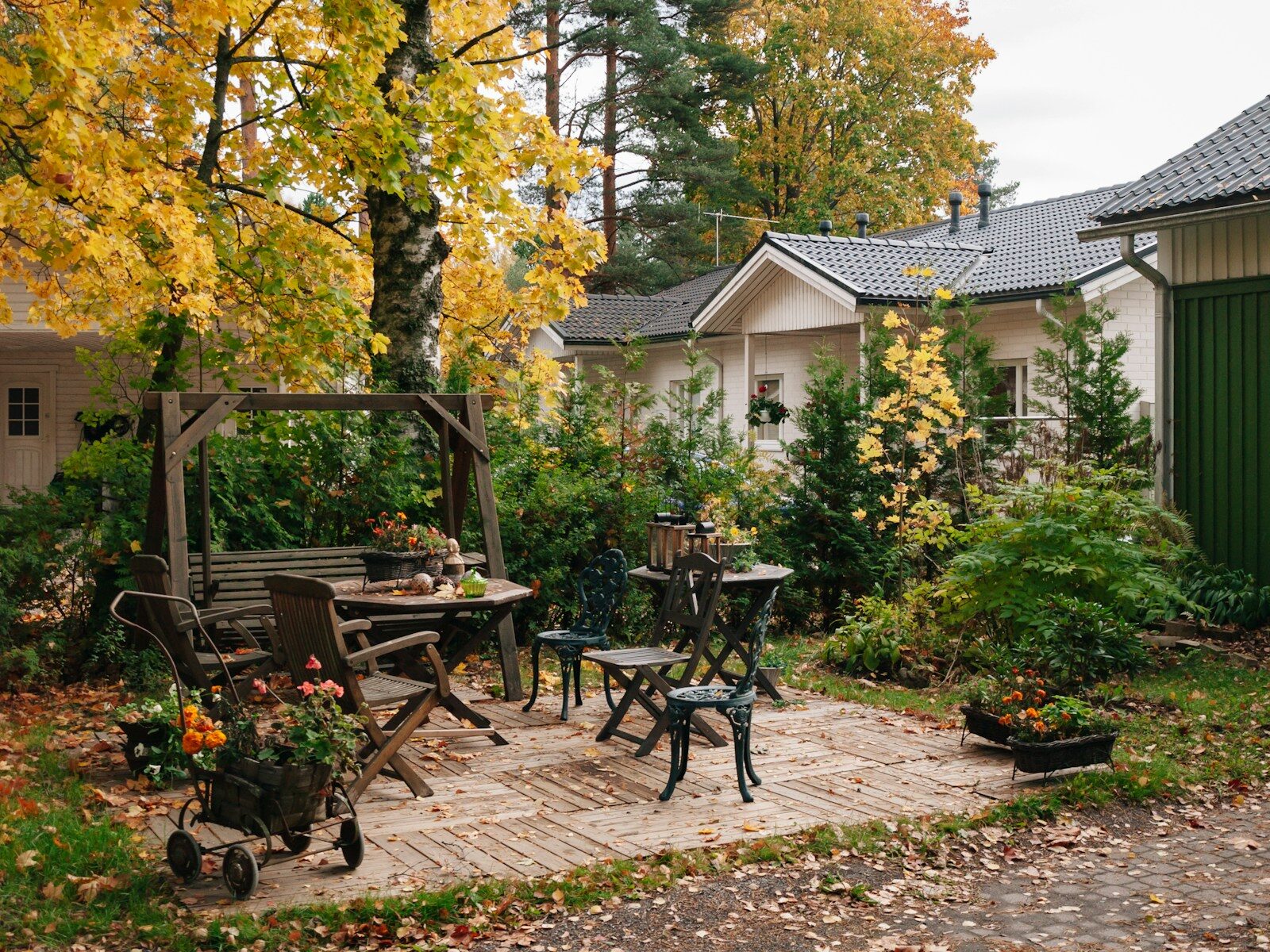
A garden home sounds like it should be a house wrapped in flowers.
Sometimes, it is.
But in real estate, the term usually means something a little more specific. A garden home is often a smaller, low-maintenance home with a compact yard, patio, courtyard, or garden space. In many places, people use the words garden home, patio home, courtyard home, and cluster home in similar ways. These homes are often built close together, and some share a wall with a neighbor. Others are detached but sit on a smaller lot.
That sounds a little fuzzy, because it is. There is no one national rule for the term “garden home.” A builder may use it one way. A real estate agent may use it another way. A local MLS may use a different term instead. In Arizona, for example, ARMLS describes a patio home as a small-footprint single-family home with a private courtyard or patio, often built close to the property line.
So, if you are shopping for one, we need to look past the pretty name. We need to ask what the home actually includes.
A Garden Home Is About Simple Living
At its best, a garden home gives you the feel of a house without the work of a big yard.
You may get your own front door. You may get a private patio. You may have a small strip of garden space for herbs, flowers, pots, or a chair under the shade. But you usually do not get a large lawn that takes every Saturday to mow.
That is the main draw.
A garden home can feel cozy and calm. It gives you a place that is yours, but it trims away some of the upkeep. Instead of a big yard, you may have a small courtyard. Instead of long hedges, you may have a few planters. Instead of a wide side yard, your home may sit close to the next one.
In other words, it is a home for people who want comfort, not chores.
How It Differs From a Townhouse
A garden home can look like a townhouse at first glance. Both can be close to other homes. Both may share walls. Both may be part of a homeowners association.
But there are common differences.
Townhouses are often two or more stories. They are usually attached in a row. They may have small front and back outdoor spaces. Best Weekend Trips From Phoenix for Gardeners, Food Lovers, and Curious Travelers. A garden home is often one story or one-and-a-half stories. It may be wider, lower, and more focused on a private patio or garden area.
Realtor.com notes that patio homes are attached to other patio homes, much like townhomes or condos, but often in a smaller form. Redfin also says patio homes are sometimes called garden homes, courtyard homes, or cluster homes, and they are often one or one-and-a-half stories.
Still, names change by region. That is why the listing label should not be the only thing you trust.
How It Differs From a Condo
A condo is usually about ownership structure.
When you buy a condo, you often own the inside of your unit. The land, roof, halls, walls, or shared spaces may be owned in common with others. The details depend on the condo documents.
A garden home may be different. You may own the home and the lot it sits on. Or it may be set up more like a condo. Some patio-style homes are sold with direct land ownership, while others may be held under a condo form.
This matters a lot.
It can affect insurance. It can affect repairs. It can affect what you can change outside. It can affect monthly fees.
So, before we fall in love with the courtyard, we should ask one plain question: What do I own?
The Yard Is Small, But That Can Be a Gift
A garden home is not for someone who dreams of an acre of grass.
But it can be perfect for someone who wants outdoor life in a smaller dose.
Maybe you want basil by the kitchen door. Maybe you want a Meyer lemon in a pot. Maybe you want a rose, a chair, and a little table for coffee. A garden home can give you that.
The key is scale.
You are not trying to build a huge garden. You are making a small space work hard. A few pots can add color. A trellis can add shade. A narrow bed can hold herbs. A small courtyard can become an outdoor room.
For many of us, that is enough. Sometimes it is better than enough, because we can actually keep up with it.
Why People Like Garden Homes
The big reason is ease.
Many garden homes are made for low-maintenance living. Some communities handle yard care, common areas, or exterior upkeep through an HOA. A builder may market garden homes as a good fit for people who want less yard work and simpler living.
That can appeal to retirees. It can appeal to busy workers. It can appeal to people who travel. It can also appeal to first-time buyers who want a home but do not want a large property to manage.
Growing Brussel Sprouts in Alabama. But most of all, it appeals to people who want a softer life at home.
You can still plant flowers. You can still sit outside. You can still have a place that feels warm and personal. You just may not need a mower, a huge shed, or a whole weekend to keep it looking nice.
The HOA Can Be Helpful, Or Not
Many garden home communities have an HOA.
That can be a plus. The HOA may care for shared landscaping. It may keep the neighborhood neat. It may cover some exterior items. It may help protect the look of the community.
But there is another side.
The HOA may limit paint colors. It may limit fences. It may limit what you can plant in visible areas. It may have rules about pots, flags, parking, pets, sheds, and patio furniture.
So we need to read the rules before we buy.
Do not just ask, “Is there an HOA?”
Ask what it covers. Ask what it costs. Ask how often fees rise. Ask what you are allowed to change. Ask who handles the roof, exterior walls, yard, irrigation, and pest control.
A garden home can be simple. The paperwork may not be. So it pays to slow down.
Watch For Zero Lot Line Details
Some garden homes are built as zero lot line homes.
That means the house may sit very close to one side of the property line. This makes the lot more useful, even though it is small. It can create room for a patio or courtyard on the other side.
This setup can be smart. But it can also raise questions.
Can you access the side of your house for repairs? Does your neighbor have an easement? Who maintains the wall or fence? Where does rainwater drain? Can you add shade cloth, vines, or a small tree?
These details sound dull. But they shape daily life.
A beautiful little patio is less fun if you later learn you cannot add the shade you need.
Is a Garden Home Good for Arizona?
A garden home can make a lot of sense in Arizona.
Large yards can be expensive to water and hard to keep lush in desert heat. A smaller outdoor space can be easier to shade, easier to plant, and easier to enjoy. You can use pots, native plants, gravel, pavers, and drip irrigation to make the space feel alive without wasting water.
This is where a garden home shines.
Instead of fighting the desert, we can work with it. We can use desert-adapted plants. We can create shade. We can use a small patio in the morning and evening, when the light is softer. We can build a space that feels peaceful, not thirsty.
For gardeners, the smaller size can even be a perk. You can focus on better soil, better pots, and better placement. You do not need a huge yard to grow herbs, peppers, flowers, or a citrus tree in a container.
Who Should Consider One?
A garden home may be a good fit if you want a private home feel, but you do not want a large yard.
It may also work well if you are downsizing. Maybe the kids are grown. Maybe you want fewer rooms to clean. Maybe you want to travel more. Maybe you just want a home that feels easier.
It can also fit a young buyer who wants a first home with some outdoor space. A condo may feel too boxed in. A full house may feel too expensive or too much work. A garden home can sit in the middle.
But it is not for everyone. Kale: The Perfect Vegetable to Grow in Your Garden.
If you want wide open space, big dogs running free, a large vegetable garden, or room for a workshop, you may feel boxed in. If you do not like HOA rules, you may also want to be careful.
What To Check Before Buying
Before you buy a garden home, look at the real things, not just the name.
Walk the outdoor space. Notice the sun. Notice the shade. Notice the privacy. Stand on the patio and listen. Can you hear traffic? Can you hear neighbors? Does the space feel calm?
Then look at the structure. Is it attached? Is it detached? Is it one story? Does it share a wall? Where are the windows? Where does the water drain?
After that, read the documents. Look at the HOA rules, fees, insurance duties, parking rules, and repair duties. Ask what you own and what the association owns.
A good garden home should feel easy after you understand it. If it feels confusing, pause.
The Little Home With a Lot of Heart
A garden home is not just one kind of house.
It is more like a family of homes. Some are patio homes. Some are courtyard homes. Some are small detached homes on small lots. Some are close to townhouses. Some feel more like condos.
But the heart of the idea is simple.
A garden home gives us a smaller, softer way to live. We get a home. We get a little outdoor space. We get room for beauty. But we do not take on more yard than we can handle.
That is why the name still works.
Not because every garden home has a grand garden.
But because even a small patio, a few pots, and a quiet chair can make a place feel like home. 🌿
A garden home sounds like it should be a house wrapped in flowers. Sometimes, it is. But in real estate, the term usually means something a little more specific. A garden home is often a smaller, low-maintenance home with a compact yard, patio, courtyard, or garden space. In many places, people use the words garden…
A garden home sounds like it should be a house wrapped in flowers. Sometimes, it is. But in real estate, the term usually means something a little more specific. A garden home is often a smaller, low-maintenance home with a compact yard, patio, courtyard, or garden space. In many places, people use the words garden…