How To Make A Japanese Garden
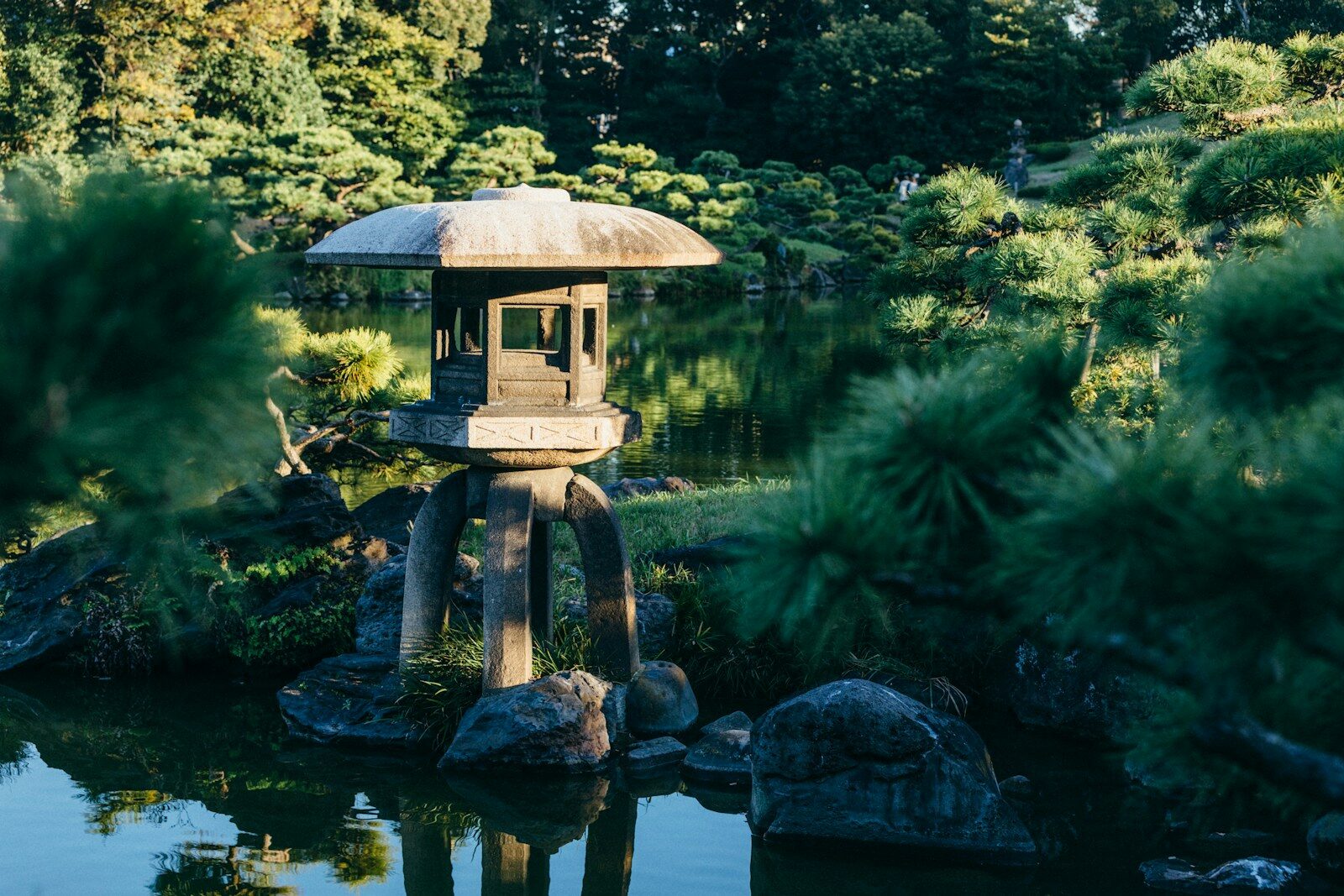
A Japanese garden is not just a garden with a lantern and a maple tree.
It is a quiet space built with care. It uses rocks, plants, paths, water, gravel, moss, and open space to help us slow down. The goal is not to fill every corner. The goal is to create peace.
That is good news for us. We do not need a huge yard. We do not need rare plants. We need restraint, balance, and a clear plan.
Start With The Feeling
Before buying anything, stand in the space. Ask what you want the garden to feel like.
Do you want a small place to sit with coffee? A path that winds through shade? A dry garden with gravel and stones? A pond edge? A hidden bench?
Japanese garden design often uses “less” to say more. So instead of adding many decorations, choose a few strong elements and let them breathe.
Use Rocks First
Rocks are the bones of the garden. Place them before plants.
Choose natural stones that look like they belong in your region. Avoid shiny, fake-looking rock unless it truly fits the design.
Set larger stones partly into the soil. This makes them look settled, not dropped on top. Group stones in odd numbers, but do not make them too perfect. Nature is balanced, but not stiff.
In a dry garden, rocks may stand for mountains or islands. Gravel may stand for water. In a planted garden, rocks can guide the eye and hold the space together.
Add A Path
A Japanese garden often invites slow movement. A path can help.
Use stepping stones, gravel, mulch, or flat natural stone. Let the path curve. A straight path tells us to hurry. A curved path asks us to notice.
You can also use “hide and reveal.” That means we do not see the whole garden at once. A shrub, turn, small screen, or stone can hide part of the view. As we walk, the next scene appears. How To Build A Garden Fence To Keep Animals Out.
This makes even a small garden feel larger.
Think About Water
Water can be a pond, stream, basin, bowl, or small fountain. It does not need to be big.
If real water is too much work, use gravel or stone to suggest water. Raked gravel can feel calm. A dry streambed can carry the eye through the garden.
The key is movement and stillness. Water should feel natural, not loud or forced.
Choose Plants With Restraint
Plants in a Japanese garden should support the mood. They should not scream for attention all at once.
Evergreens are useful because they hold structure year-round. Japanese maples are loved for their shape and leaf color, but they are not required. In many climates, a local small tree can work better.
Use moss where it grows well. Use groundcovers where moss will fail. Use ferns in shade. Use grasses for soft movement. Use flowering plants sparingly. How to Keep Chipmunks Out of Your Garden.
A simple plant palette is often stronger than a crowded one.
Make Boundaries
A Japanese garden often feels enclosed. That does not mean boxed in. It means protected.
A fence, hedge, bamboo screen, wall, or row of shrubs can block distractions. It can hide the driveway, street, trash cans, or neighbor’s shed.
Once the outside noise is softened, the garden feels more private.
Add One Place To Pause
A bench, flat stone, tea corner, or small deck gives the garden a purpose.
Place it where the view feels calm. Do not put it in the middle just because there is space. Let it feel discovered.
Inspirational Journey of Sunset Market Gardens. This is where the garden becomes useful. We can sit. We can think. We can breathe.
Keep Decor Simple
Stone lanterns, basins, bridges, and bamboo features can be beautiful. But too many can make the garden feel like a theme display.
Use one or two pieces. Let them age. Let plants soften them.
A Japanese garden should feel sincere. It should not feel like a stage set.
Care Is Part Of The Design
This style needs maintenance. Gravel needs raking. Leaves need clearing. Shrubs need careful pruning. Moss or groundcovers need steady moisture.
Micro Gardens: Turning Tiny Spaces Into Abundant Green Retreats. But the care can be part of the pleasure. It gives us a reason to step outside and notice small changes.
A Small Quiet World
To make a Japanese garden, we do not copy Japan. We borrow the lessons: use nature, leave space, slow the path, frame the view, and choose each thing with care.
A good Japanese garden feels calm because nothing is shouting. Each stone, plant, and curve has a reason.
And when we get it right, even a small corner can feel like a deep breath.
A Japanese garden is not just a garden with a lantern and a maple tree. It is a quiet space built with care. It uses rocks, plants, paths, water, gravel, moss, and open space to help us slow down. The goal is not to fill every corner. The goal is to create peace. That is…
A Japanese garden is not just a garden with a lantern and a maple tree. It is a quiet space built with care. It uses rocks, plants, paths, water, gravel, moss, and open space to help us slow down. The goal is not to fill every corner. The goal is to create peace. That is…