What Is Biostatistics In Public Health?
Biostatistics sounds like a big college word. But the idea is simple.
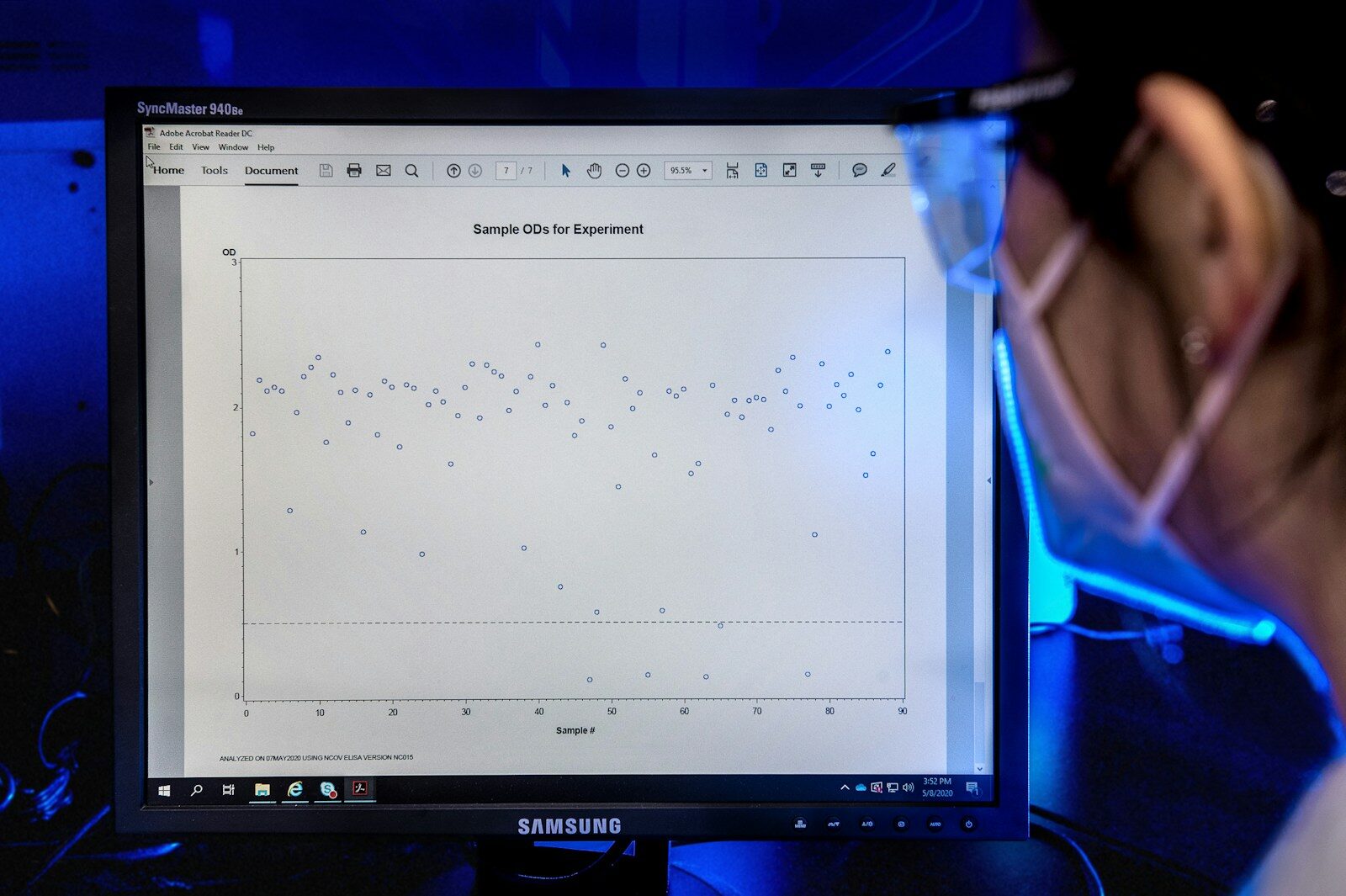
Biostatistics is the use of math and statistics to understand health. It helps us turn health data into answers we can use.
That matters because public health deals with groups of people. Not just one patient. A whole city. A county. A school. A state. A nation.
How Much Do Mental Health Counselors Make? So when we ask, “Is this disease spreading?” or “Did this program work?” or “Who is most at risk?” we need biostatistics.
Public Health Runs On Data
Public health is about keeping people healthy before trouble gets worse. To do that, we need facts.
How many people got sick? Where do they live? How old are they? Did the number rise after a storm, holiday, heat wave, or policy change?
Biostatistics helps answer those questions. It gives structure to the numbers.
Without it, we may only have guesses. With it, we can see patterns.
A Simple Example
Imagine a county health department sees more stomach illness than usual.
A biostatistician may help compare this week’s cases with past weeks. They may look at age groups, neighborhoods, restaurants, schools, or water systems.
They may ask: Is this a real increase, or normal variation? Did cases start on the same day? Do sick people have something in common?
That work can help public health teams act faster. They might warn the public, inspect a food source, test water, or alert doctors.
Biostatistics And Epidemiology
People often mix up biostatistics and epidemiology. They are close, but not the same.
Epidemiology studies how disease and health events move through groups of people. Biostatistics gives many of the tools used to measure and test those patterns.
In other words, epidemiology asks many of the public health questions. Biostatistics helps prove whether the answers are strong.
They work together all the time.
What Biostatisticians Do
Biostatisticians may design studies, choose sample sizes, analyze surveys, build models, review clinical trials, and explain results.
They work with data from hospitals, labs, health departments, surveys, disease registries, insurance claims, and research studies.
Radishes Are the Fastest, Healthiest Crop You Can Grow (And They Fight Pests Too). They may help answer questions like:
Does a new treatment work better than an old one?
Did a vaccine lower disease rates?
Are asthma rates higher near a certain pollution source?
Which groups have less access to care?
Is a cancer screening program saving lives?
These are not small questions. They can shape public policy, funding, and care.
Why “Chance” Matters
Health data is messy. People are different. Small studies can be misleading. A number can rise by luck alone.
Biostatistics helps us deal with uncertainty. It helps us ask, “Is this result likely real?”
That is why terms like confidence interval, risk ratio, average, rate, sample, bias, and statistical significance show up in public health work.
The point is not to make things sound harder. The point is to be honest about what the data can and cannot prove.
Biostatistics Helps Make Fair Choices
Good data can show who is being missed. Public Health England: The Agency That Came And Went.
For example, a city may offer free blood pressure checks. The total number of screenings may look good. But biostatistics can help show whether certain neighborhoods, ages, or language groups are not being reached.
That can lead to better outreach. It can also help leaders spend money where it does the most good.
Skills Used In Biostatistics
A person in this field often needs math, statistics, computer skills, and health knowledge. They also need plain language.
That last part matters more than people think. A perfect analysis is not useful if no one understands it.
Public health decisions are made by teams. So biostatisticians need to explain what the numbers mean in a clear and careful way.
The Quiet Work Behind Better Health
UK Chandler Hospital: The Beating Heart of Kentucky Healthcare. Biostatistics is not always visible. It may happen behind a spreadsheet, a dashboard, a study, or a public report.
But it affects real life. It helps us spot outbreaks, test treatments, measure risks, and decide what works.
In a world full of health claims, biostatistics gives us a way to slow down and ask, “What does the evidence say?”
That is why it matters.
Biostatistics sounds like a big college word. But the idea is simple. Biostatistics is the use of math and statistics to understand health. It helps us turn health data into answers we can use. That matters because public health deals with groups of people. Not just one patient. A whole city. A county. A school.…
Biostatistics sounds like a big college word. But the idea is simple. Biostatistics is the use of math and statistics to understand health. It helps us turn health data into answers we can use. That matters because public health deals with groups of people. Not just one patient. A whole city. A county. A school.…