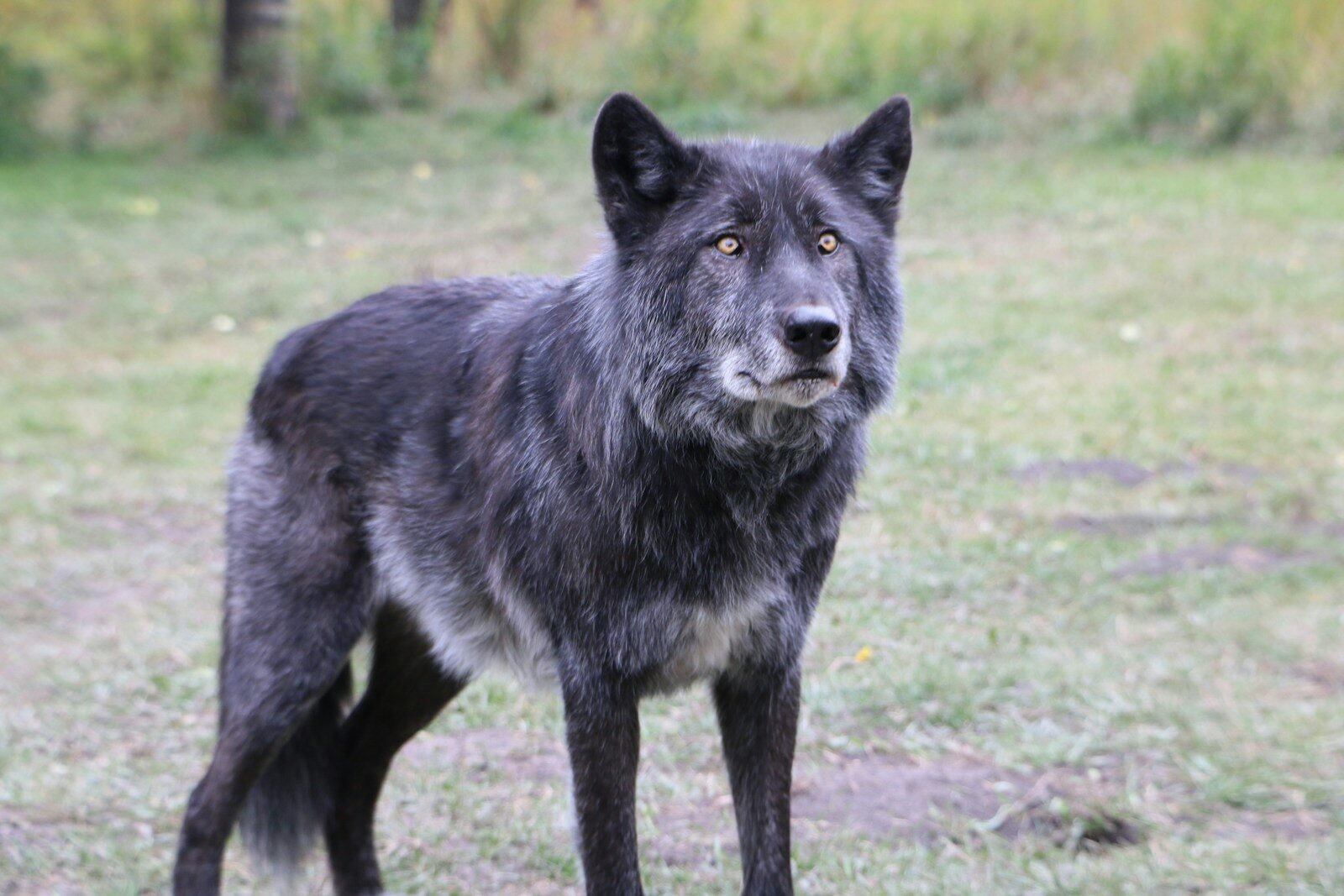
Are There Wolves in Alabama?
If you mean wild wolf packs, the answer is simple.
No. Alabama does not have wild, breeding wolf populations today. The wolf that once lived here, the red wolf, is listed as extirpated in Alabama (gone from the state).
But the full story is still interesting, because people in Alabama do see big, wolf-like canines. And it can feel real in the moment.
So let’s break it down in plain words.
What “wolves” people think they see in Alabama
Can You Be Offside on a Corner Kick? (The Real Rule, With Simple Examples). Most “wolf” reports in Alabama fall into three buckets:
1) Coyotes (the most common answer)
Alabama has coyotes statewide, even in towns and cities.
Coyotes can look huge at night. Or when they are alone. Or when they are moving fast through brush. Our brains also compare them to dogs we know, and that can throw off size.
So a big coyote is the number one “wolf” people see.
2) Big dogs (including stray dogs)
German Shepherd mixes. Huskies. Malamutes. Farm dogs. Even thin dogs can look “wolfy” from far away.
Also, a dog that is scared and loose will often act wild. It may not come close. It may move like a predator. That adds to the wolf feeling.
3) Wolf-dog hybrids (owned animals that can escape)
Some people keep wolf-dog mixes. If one gets loose, it can end up on a road camera or in a neighborhood.
These animals are not wild wolves. They are pets or captive animals. But they can look the part.
A key detail here is rabies rules. National public health guidance notes that rabies vaccines are not licensed for wild animals or hybrids, and exposure cases are handled very carefully.
The wolf Alabama used to have: the red wolf
Alabama did have a real wolf.
It was the red wolf (Canis rufus).
Outdoor Alabama (Alabama’s wildlife agency site) lists the red wolf’s status as “Extirpated” in the state. It notes that the species was already near extinction in Alabama by 1921, with a last stronghold in north-central to northwest Alabama.
In other words, wolves were pushed out long ago.
That happened for the same reasons wolves disappeared in many places:
- heavy hunting and trapping
- loss of habitat
- pressure from growing human settlement
So where are red wolves now?
Today, the only wild red wolves are part of a recovery effort centered in eastern North Carolina, including Alligator River National Wildlife Refuge. The U.S. Fish & Wildlife Service posts ongoing updates, including recent pups and active monitoring of collared wolves.
So if we are talking about wild red wolves, Alabama is not the place.
But most of all, that does not mean Alabama has no connection to red wolves now.
You can see red wolves in Alabama in captivity
For example, the Alabama Gulf Coast Zoo has shared news about bringing in critically endangered red wolves as ambassador animals. Barbour County WMA, Alabama.
That is still “wolves in Alabama,” just not wild wolves.
Why coyotes thrive where wolves used to be
Coyotes are built for modern life.
Outdoor Alabama says coyotes are found statewide and use all kinds of habitat, including urban areas.
They also eat almost anything. That flexibility is a superpower.
Instead of needing huge wild spaces and large prey like a wolf pack, coyotes can live on:
- rabbits and rodents
- fruit
- carrion (dead animals)
- even scraps and pet food left outside
That is one reason coyotes can move into the same general land where wolves once lived.
“That was too big to be a coyote.” Yes, it can happen.
People often say this after a sighting.
And sometimes they are right about one thing: the animal was big.
Coyotes can be bigger than most of us expect. Also, some coyotes in parts of North America have mixed ancestry from other canids over time. But in Alabama, the animal you see running a fenceline is still most likely a coyote or a dog.
A helpful rule many wildlife folks use is this:
If you are in Alabama and you saw a “wolf,” the safe bet is coyote or dog unless there is strong proof.
That is not meant to dismiss anyone. It is just the odds.
Quick size guide (simple and practical)
Here is an easy way to compare.
Coyote
- usually looks like a lean, long-legged “wild dog”
- narrow chest and hips
- pointy face
- tail often carried low when trotting
Outdoor Alabama notes coyotes are common statewide.
Red wolf (not wild in Alabama)
Outdoor Alabama describes red wolves as:
- larger and more robust than coyotes
- long legs, big feet, big ears
- often tawny or reddish tones
Gray wolf (not a normal Alabama animal)
Gray wolves are tied to other regions and management areas, not Alabama.
So if the animal looks truly massive, think “big dog” or “wolf-dog” first, not “wild wolf pack.”
What to do if you think you saw a wolf in Alabama
No drama needed. Just a calm, smart approach.
Stay back
Give any wild-looking canine space. Don’t try to get closer for a better photo.
Don’t feed it
Discovering Alabama Fossils. Food pulls animals toward people. That is how problems start.
Protect pets
Bring pets inside at night, especially small dogs and cats. Coyotes are common, and they do take small animals.
If it is acting sick or aggressive, treat it as a rabies risk
Rabies is deadly once symptoms begin, so health agencies take it seriously. Alabama’s public health guidance stresses pet vaccination and explains rabies risk from wildlife.
If an animal bites a person, contact local animal control and follow public health guidance right away.
Why “wolves are back” stories spread fast
This part is human nature.
We love a rare story. We love a mystery. We also have real memory of wolves in the South, even if it is old history.
And camera clips can be tricky:
- angle can stretch the body
- night vision can blur features
- distance hides true scale
After more than a century of wolves being gone from Alabama’s woods, the idea of a wolf returning feels big. It grabs us.
But Alabama’s own wildlife info still calls the red wolf extirpated in the state.
Where we stand in Alabama
So, are there wolves in Alabama?
- Wild wolves living and breeding in Alabama: No.
- Coyotes that look wolf-like: Yes, statewide.
- Captive red wolves in facilities (like zoos): Yes, sometimes.
- Wolf-dog hybrids that may exist as pets: Possible, and they should be treated with care, especially around bite and rabies rules.
In other words, the “wolf” feeling is real. But the animal is usually something else.
If you mean wild wolf packs, the answer is simple. No. Alabama does not have wild, breeding wolf populations today. The wolf that once lived here, the red wolf, is listed as extirpated in Alabama (gone from the state). But the full story is still interesting, because people in Alabama do see big, wolf-like canines.…
If you mean wild wolf packs, the answer is simple. No. Alabama does not have wild, breeding wolf populations today. The wolf that once lived here, the red wolf, is listed as extirpated in Alabama (gone from the state). But the full story is still interesting, because people in Alabama do see big, wolf-like canines.…