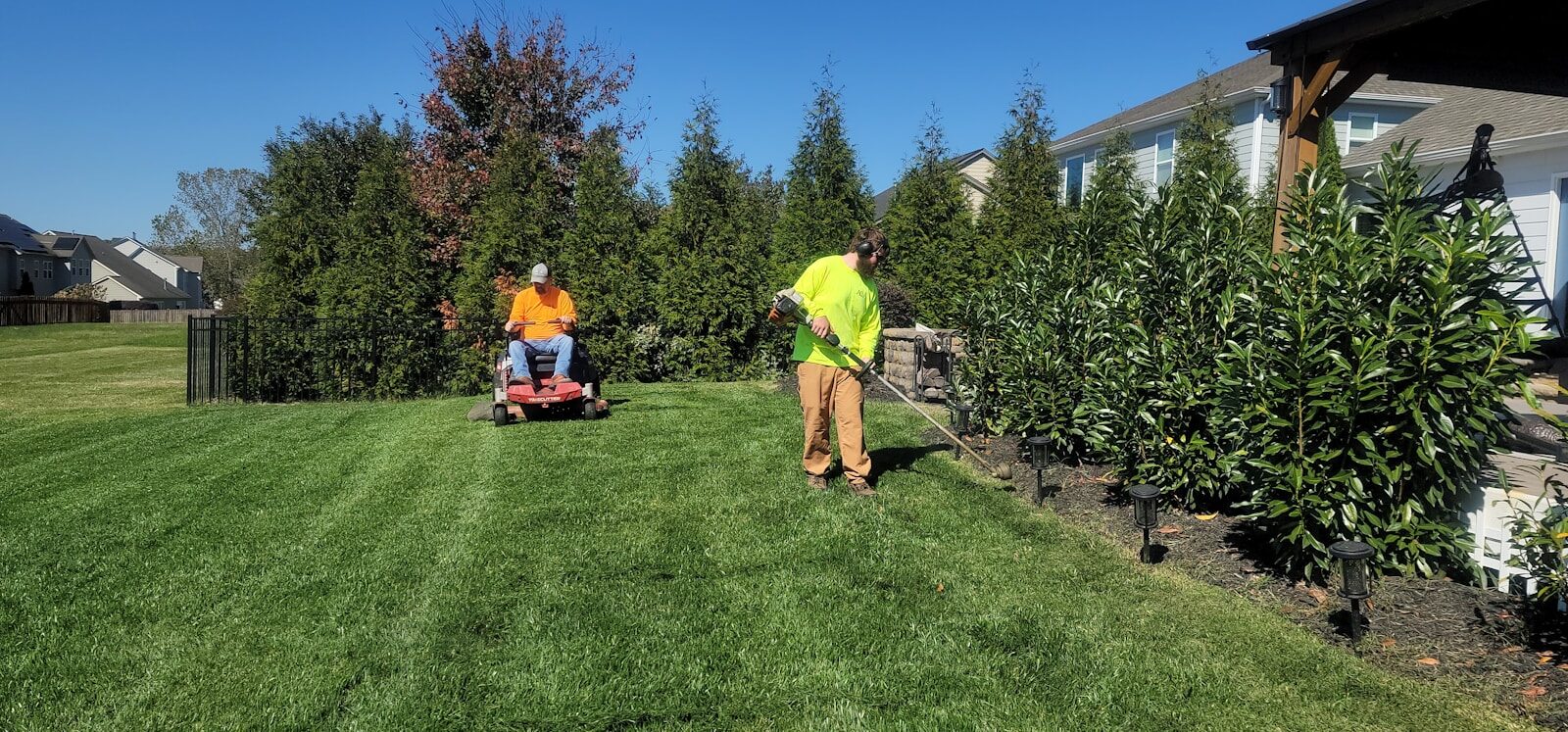
How to Start a Landscaping Business With No Money
Starting with no money does not mean starting with nothing.
It means we have to start small. We use what we already have. A rake. A shovel. A broom. A phone. A neighbor who trusts us. A free post online. A simple promise that we will show up and do the work.
That can be enough.
The landscaping trade is not a tiny field, either. In 2025, the U.S. landscape services market was estimated at $188.8 billion, with more than 692,000 landscaping service businesses in the industry.
So there is work out there. But that does not mean we need to buy a truck, trailer, mower, blower, and logo shirts before we begin. That is the trap.
Is a PayPal Business Account Free? The Honest Small Business Answer. Instead of trying to look big, we need to get paid for one useful job.
Start With Work That Needs Simple Tools
A lot of people picture landscaping as big crews and loud machines. That is one version. It is not the only one.
When money is tight, start with jobs that need simple tools. Think of:
hand weeding, leaf cleanup, bed edging, small shrub trimming, planting flowers, spreading mulch, sweeping patios, cleaning curb lines, and pulling dead plants.
Mowing can come later. Irrigation can come later. Big installs can come later.
The first goal is cash flow. In other words, we are not building the whole company in one week. We are trying to turn one small job into the next tool.
Pick One Clear Service
New businesses get messy when they offer too much.
“I do landscaping” sounds fine, but it is vague. Most customers do not know what to do with that.
A clear offer works better.
Try something like:
“I clean up front flower beds.”
“I do one-time yard cleanups before parties and home showings.”
“I pull weeds and refresh mulch for small homes.”
That is easy to understand. It also makes pricing easier. You are not selling every skill you may learn one day. You are solving one clear problem right now.
A good first service should pass four tests. It should be easy to explain. It should need few tools. It should fit into a half day. And it should make the yard look better fast.
Borrow Tools, But Be Careful
Borrowed tools can help you start. But borrowed does not mean free.
If you break a mower, blower, or trimmer, now you have a problem. So borrow with care. Ask clearly. Use the tool for one job. Clean it. Return it with fuel. Then save part of the money toward your own gear.
You can also rent tools for special jobs. But do the math first. If the rental cost eats the profit, skip that job.
Early on, saying “no” can save you.
Price the Whole Job
Pricing is hard at first. That is normal.
Start with a simple floor. Decide the least you need for a few hours of hard work. Then add fuel, bags, dump fees, supplies, and helper pay if you use help.
Do not forget drive time.
Many beginners only count the time in the yard. But the job also includes texts, photos, quotes, loading tools, travel, cleanup, unloading, and waste disposal.
So price the whole job, not just the minutes with a rake in your hand.
Also, collect money up front for materials. If a customer wants mulch, plants, stone, or pine straw, do not pay for that from your own pocket unless you can afford to lose it. Ask for the material cost before you buy.
That is not rude. 2.4 GHz vs 5 GHz Wi-Fi: Which One Should We Use and When? That is business.
Find Customers Without Paid Ads
You do not need paid ads at the start. You need proof.
Take good before and after photos. Ask the customer if you can share them. Keep the photos honest. No fake filters. No big claims. Just show the work.
Post in local Facebook groups if the rules allow it. Post on Nextdoor. Text people you know. Tell neighbors. Talk to landlords. Let church friends, coworkers, and family know what you are doing.
Your first message can be plain:
“I’m starting a small yard cleanup service. I’m taking a few local jobs this week. I can pull weeds, clean flower beds, trim small shrubs, and refresh mulch. I can quote from photos.”
That is enough.
No begging. No hype. Just a clear offer.
Handle the Legal Basics Early
Even if you start small, treat it like a real business.
The Small Business Administration lists basic startup steps like choosing a business structure, picking a name, registering the business, getting tax IDs, applying for licenses and permits, opening a business bank account, and getting insurance.
You may not need every step before your first tiny job. But you do need to know your city, county, and state rules.
A sole proprietorship may be the simplest start. An LLC may offer more structure. The SBA says your business structure affects taxes, daily work, and how much of your personal assets may be at risk.
If you need an EIN, get it from the IRS. The IRS also notes that each state can have its own rules for starting and running a business.
So check first. It is much easier to set things up right than to clean up trouble later.
Be Extra Careful With Sprays
Pulling weeds is one thing. Spraying weeds is another.
If you apply pesticides or herbicides for pay, you may need a license or certification. The EPA says applicators must be certified where they make restricted-use pesticide applications. It also says many states require certification for commercial applicators beyond that.
That means we should not spray first and ask later.
If you are not licensed, keep your first services simple. Pull weeds by hand. Mulch beds. Trim shrubs. Clean up leaves. Plant flowers. Stay in the safe lane while you learn the rules.
Get Insurance Before Bigger Risk
A small cleanup job still has risk.
You can break a window. Hit a sprinkler head. Scratch a car. Damage a plant. Trip on a property. Back into a mailbox.
The SBA says business insurance can help protect against unexpected costs from accidents, lawsuits, and other problems.
For landscaping, common coverage may include general liability, commercial auto, tool coverage, and workers’ compensation if you hire workers. What you need depends on your work and your state.
If you cannot afford the right coverage yet, keep the work low risk. Skip ladders, chainsaws, big trees, chemicals, hardscape, and irrigation until you are ready.
Buy Tools in the Right Order
Do not buy a shiny trailer because you got two jobs.
Start dull and useful.
A lean first kit may include gloves, hand pruners, loppers, rake, shovel, broom, trash bags, safety glasses, hearing protection, and a basic blower or trimmer when money allows.
Buy used when you can. Test tools before you pay. Avoid broken gear unless you already know how to fix it.
Let each job fund the next need.
Job one buys bags and gloves. Job two helps buy better pruners. Job three helps buy a used blower. Job four starts a fuel fund.
That may feel slow. But debt can feel slower.
Make Safety Part of the Brand
Landscaping is hard work. It can also be dangerous.
OSHA lists landscape and horticultural work across areas like design, installation, maintenance, tree pruning, and arboriculture. OSHA also notes that the rules may fall under general industry or construction standards, based on the type of work being done.
That may sound dry, but it matters.
Wear eye protection. Use hearing protection. Drink water. Take heat seriously. Keep guards on tools. Do not let a helper use equipment they do not understand. Tie down loads. Watch pets, kids, cars, windows, and sprinkler heads.
A safe worker looks more professional too.
Customers notice.
Keep the Books From Day One
No-money startups often fail because the money gets mixed together.
A customer pays cash. Fuel goes on a personal card. A tool comes out of grocery money. Then tax time arrives, and nothing makes sense.
Open a business bank account when you have the right paperwork. The SBA says a small business checking account can help with legal, tax, and day-to-day issues.
Until then, keep a notebook or spreadsheet.
Track each job. Write down the customer name, date, service, price, supply cost, mileage, and payment status. Take photos of receipts. Save money for taxes from each job.
A Weekend Trip to Tennessee business that tracks money has a chance.
A business that guesses is already in trouble.
Grow After the Work Repeats
The best way to grow is not to buy everything. It is to repeat what works.
If customers keep paying for bed cleanup, make that your main service.
If people keep asking for mulch, build a mulch package.
If mowing requests pile up, then look at mower options.
If small pruning is steady, buy better pruning tools.
But most of all, listen for repeat pain. That is where the business lives.
Do not hire too fast. Do not take jobs you cannot finish. Do not promise expert design if you are still learning plants.
It is better to be honest and small than loud and shaky.
A Lean Start Can Still Grow Roots
You can start a landscaping business with no money, but not with no plan.
Start with simple work. Sell one clear service. Use borrowed tools with care. Price the whole job. Save from each payment. Check your local rules. Keep the work safe. Keep the books clean.
That kind of start may not look big.
But it can be real.
And real is what gets you the next yard.
Starting with no money does not mean starting with nothing. It means we have to start small. We use what we already have. A rake. A shovel. A broom. A phone. A neighbor who trusts us. A free post online. A simple promise that we will show up and do the work. That can be…
Starting with no money does not mean starting with nothing. It means we have to start small. We use what we already have. A rake. A shovel. A broom. A phone. A neighbor who trusts us. A free post online. A simple promise that we will show up and do the work. That can be…