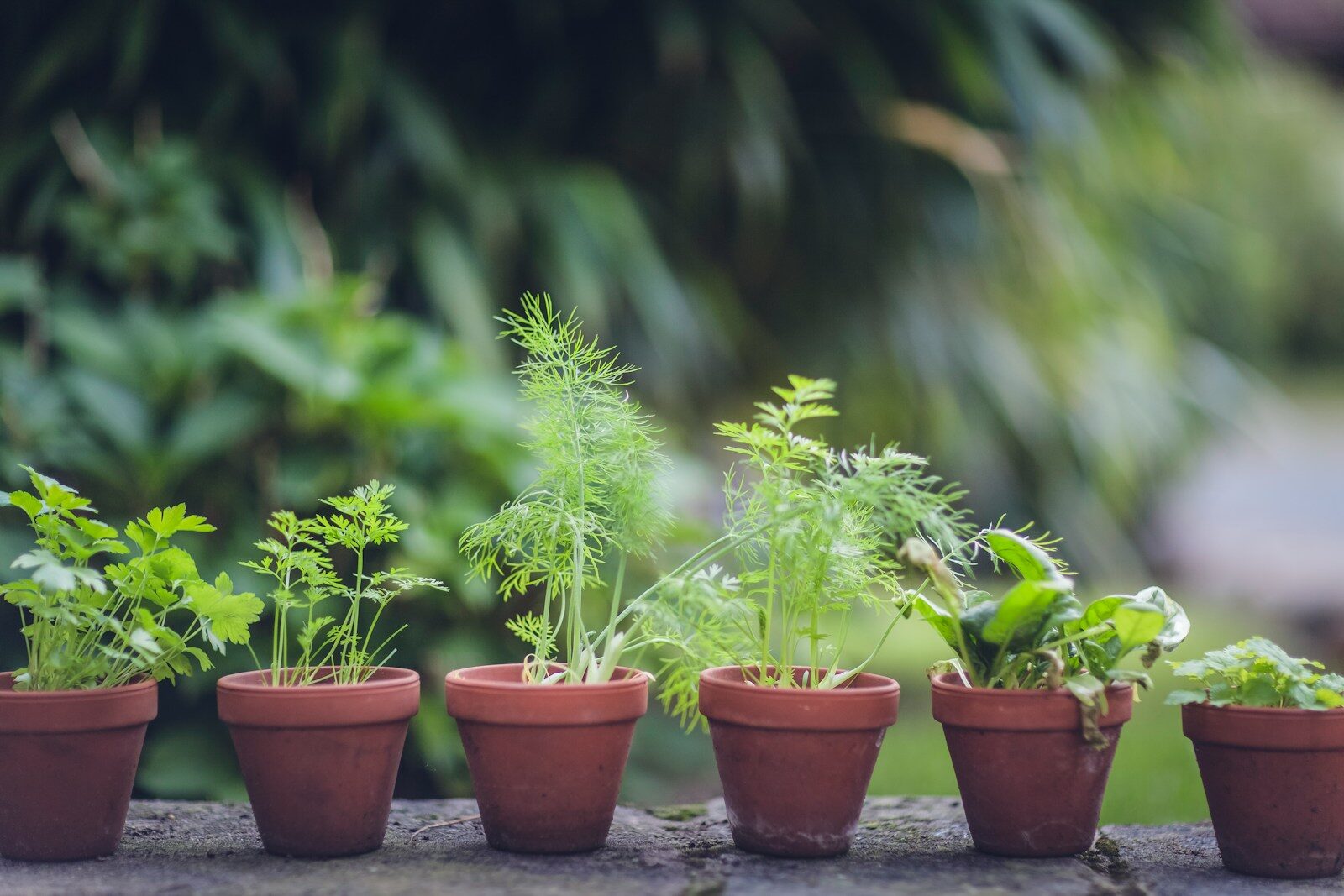
Best Herbs for Container Gardening in Phoenix and Tucson
If you garden in Phoenix or Tucson, you already know the big issue is not whether herbs taste good. Of course they do. The real issue is whether they can live through our heat, dry wind, hot pots, and fast-changing seasons. The good news is that herbs do very well in containers here. In fact, University of Arizona guidance says Southern Arizona has two main growing seasons, a cool season from about October through May and a warm season from May into mid-September. That is why the best herb list for our area is not one fixed list for all year. It is a mix of warm-season picks and cool-season picks that you swap as the year moves along. How to Grow Tomatoes in Arizona Heat Without Losing Your Plants.
Why containers work so well here
Containers give us control. That matters in desert cities. UArizona notes that herb pots can be moved into shade in summer and into protection in winter. It also says eastern exposure is ideal, with morning sun and afternoon shade, because summer sun can be intense and temperatures can reach 105 degrees in Tucson. In other words, containers let us follow the light instead of fighting it. That same desert rule helps on patios, courtyards, and balconies in both Phoenix and Tucson.
The pot itself matters more than many of us expect. UArizona says herbs need drainage holes, loose well-drained potting mix, and larger containers because small pots dry out fast and swing in temperature. The Tucson herb guide says pots should be at least 14 inches wide, and the container gardening guide says larger pots are less prone to heat stress and need less frequent watering. Clay pots can keep roots cooler, while black plastic can absorb more heat. Instead of grabbing the cutest tiny pot, it is usually smarter to start with the biggest practical one.
Water is the next big deal. UArizona says container herbs may need water twice a day in summer, but if they need water more than that, the pot may be getting too much sun or the plant may be root bound. The same guidance says to keep herbs moist but not soggy, because drainage is the real secret. After more than a few failed herb pots, that is usually the lesson people learn the hard way. It is often not that herbs hate Arizona. It is that roots got baked, stayed too wet, or ran out of room.
The best herbs for desert containers
Rosemary is one of the best long-term herbs you can grow in a container here. The Tucson planting calendar marks rosemary as a good herb for beginning gardeners, and the same guide calls rosemary a sun lover, while still warning that summer light is too harsh without afternoon protection. Rosemary also fits container life well because it is perennial, useful in the kitchen, and stays productive for a long time instead of giving you one quick harvest and fading out. For many of us, rosemary is the herb that makes a patio feel finished.
Oregano and thyme belong near the top too. Both are marked by UArizona as beginner-friendly perennial herbs, and both can be planted in fall or spring on the Tucson calendar. They are compact, easy to reach when you cook, and they fit the desert container rhythm well because they do not ask for a huge amount of fuss. They also make sense together because they like the same basic setup: sharp drainage, room for roots, and protection from the brutal late-day summer blast.
Sage is another strong choice. UArizona lists sage as a beginner-friendly perennial, and the 2024 Backyard Gardener herb guide groups sage with oregano, thyme, and rosemary as herbs often harvested for dried leaves. That makes sage especially useful for container gardeners who want a plant that looks good and keeps giving after harvest. It is not a flash-in-the-pan herb. It earns its spot.
Mint is one of the smartest container herbs in the desert, but only when you remember the words “in the container.” UArizona lists mint as a cool-season perennial herb and a good beginner herb, with fall and spring planting windows in Tucson. Heilbrunn Timeline of Art History: The Friendly Map That Makes Art Make Sense. That timing matters. Mint is much easier when it gets established in milder weather instead of being thrown into a blazing summer pot. In a pot, we also keep it close, trim it fast, and keep it from becoming the boss of everything around it.
Chives deserve more love in Phoenix and Tucson gardens. The Tucson guide marks chives as a beginner-friendly perennial with fall and spring planting windows, and an older Maricopa County Cooperative Extension handout says chives are well adapted to containers. That is a great match for a patio garden. Chives stay useful, do not need a giant footprint, and give you an easy way to cut fresh flavor right when you need it.
Basil is the warm-season favorite, and for good reason. UArizona says spring is the right time to plant warm-season annual herbs such as basil, and its 2024 herb guide calls sweet basil an excellent herb for beginners. The Tucson guide also notes that basil is a sun lover, but even sun lovers need help here. Morning sun, afternoon shade, and a large pot make a huge difference. Basil can grow fast in the low desert, but most of all it needs to get established before the hardest heat shows up.
Lemongrass is one of the best herbs for gardeners who want something bold and summer-ready. UArizona places lemongrass in the warm-season perennial group and says spring planting gives heat-loving herbs time to establish before summer. That is exactly why it works so well in our cities. Instead of trying to force a cool-weather herb through the furnace months, we can grow one that actually wants the warm season. A roomy pot and regular water make it much easier to keep happy.
Parsley, cilantro, and dill are not the best herbs for the hottest part of the year, but they are absolutely among the best herbs for Phoenix and Tucson overall. The Tucson planting calendar marks all three as beginner herbs and gives them fall and spring planting windows, with cilantro, dill, and parsley all showing strong cool-season usefulness. Maricopa County guidance also says parsley thrives best under cool conditions in southern Arizona. So yes, these are desert herbs too. They just belong to the cool side of our gardening calendar instead of the blazing side.
What usually goes wrong
Most container herb problems in Phoenix and Tucson start with setup, not with the herb itself. UArizona says native desert soil should be avoided in containers because it can drain too slowly, and it recommends a loose potting mix or soilless mix that drains well while still holding enough water. The Tucson herb guide even gives a sample mix made with coco coir, perlite, vermiculite, coarse sand, and compost. In other words, desert gardening is not just about surviving dryness. It is also about giving roots air.
Another mistake is making one mixed pot with herbs that want different seasons. UArizona breaks herbs into cool-season annuals, warm-season annuals, cool-season perennials, and warm-season perennials. That is a helpful clue. Basil and lemongrass are not on the same schedule as parsley and cilantro. Rosemary is not living the same life as dill. Needham Garden Center Guide: Where We Shop, What We Buy, And How We Make It All Work. When we sort herbs by season, the whole container garden gets easier. Watering gets easier. Placement gets easier. Replanting gets easier too.
What Wins on a Hot Patio
The easiest way to build a herb collection here is to think in layers. Start with one sturdy perennial pot, such as rosemary or oregano. Add one softer cutting pot, such as basil in spring or parsley in fall. Then keep one seasonal spot open for cilantro, dill, chives, or lemongrass depending on the time of year. That kind of small desert system feels simple because it is simple. We do not need a giant herb farm. We just need herbs that match the season, roots that stay cool enough, and pots big enough to give the plant a fair chance. In Phoenix and Tucson, that is usually the difference between “I kill every herb” and “I always have something fresh to cut.”
If you garden in Phoenix or Tucson, you already know the big issue is not whether herbs taste good. Of course they do. The real issue is whether they can live through our heat, dry wind, hot pots, and fast-changing seasons. The good news is that herbs do very well in containers here. In fact,…
If you garden in Phoenix or Tucson, you already know the big issue is not whether herbs taste good. Of course they do. The real issue is whether they can live through our heat, dry wind, hot pots, and fast-changing seasons. The good news is that herbs do very well in containers here. In fact,…