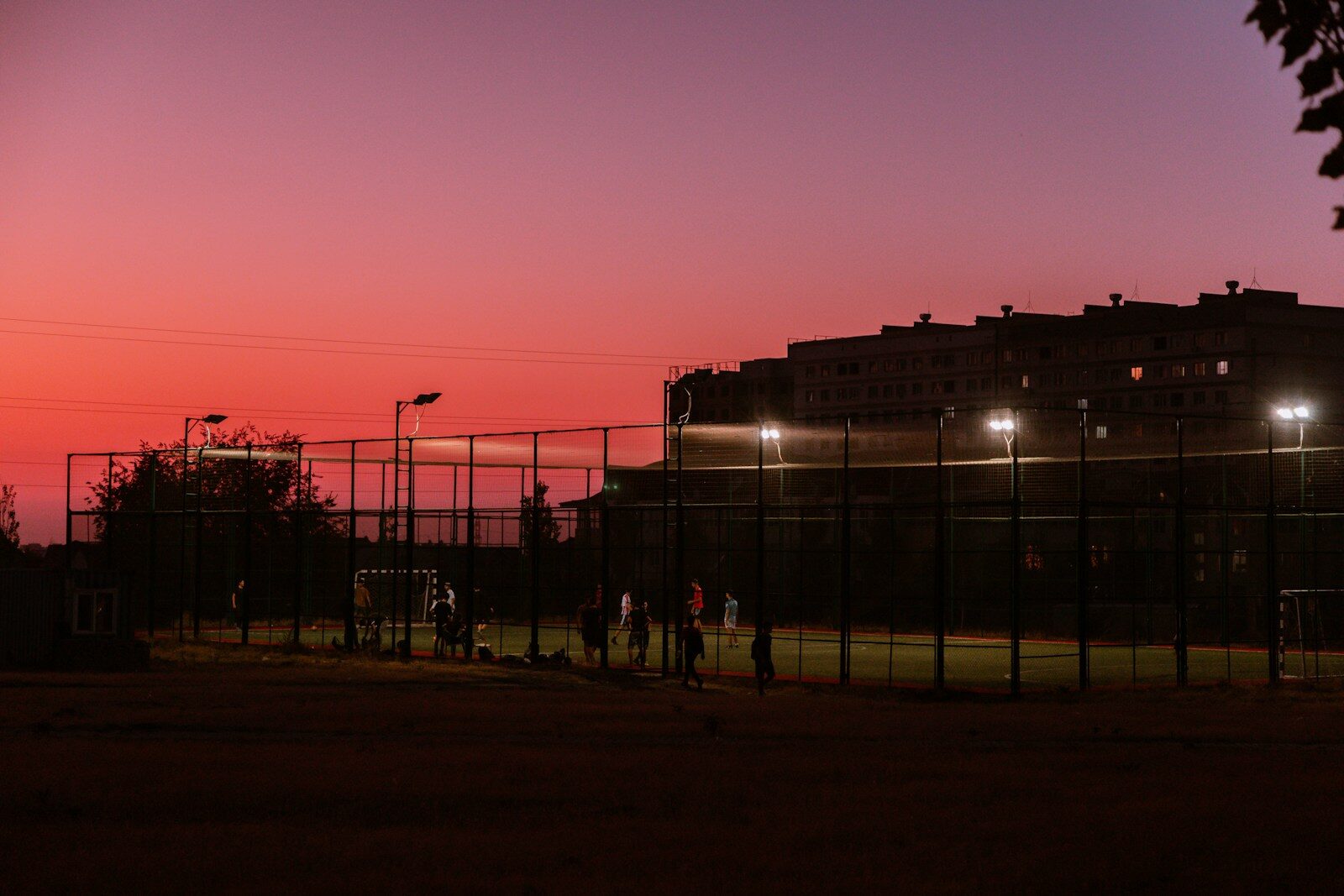
Garden State Youth Correctional Facility: What It Is, Who It Holds, and Why It Gets So Much Attention
Garden State Youth Correctional Facility sounds like a juvenile lockup. It is not. It is a New Jersey state prison for young adult men, not a youth detention center for minors. It sits in Crosswicks, in Chesterfield Township, Burlington County, and it has long played a special role in the state system because it serves a younger population than most prisons do. The facility opened in 1968, and state documents still describe it as a prison built for young adult offenders, with minimum, medium, close, and maximum security housing.
That age focus is a big reason people keep searching for it. The name makes it sound simple. The reality is not simple at all. Garden State is a prison, but it is also a place where New Jersey tries to balance custody, safety, education, work, treatment, and reentry for men who are often in their late teens or early twenties and who may be back in the community in a fairly short time. How Much Do Welders Make in Texas? In other words, what happens there can shape public safety far beyond the fence line.
What Garden State Youth Correctional Facility is today
The clearest way to understand the facility is this: it is an adult correctional institution aimed at younger adults. A state PREA audit describes it as a New Jersey Department of Corrections prison that was initially designed to house offenders ages 18 to 30. The same audit says the prison includes a main institution and a minimum-security complex on the same grounds.
More recent state records show the prison is still active and still central to New Jersey’s youth-oriented correctional structure. In late 2025, board minutes for the Youth Correctional Institution Complex said Garden State had an approximate capacity of 1,500, with a reported general population of 750, a reception count of 224, and restorative housing count of 59 at that meeting. A separate NJDOC population report counted 961 people at Garden State on January 1, 2025. Those numbers are measured in different ways and at different times, but together they show a facility that remains large and heavily used.
Who is housed there
This is where Garden State stands apart from many other prisons. The Office of the Corrections Ombudsperson said that, as of January 31, 2025, half of the people housed there were between ages 22 and 25. The office also said three-quarters of the population had a minimum prison term of five years or less, generally for person and weapons offenses, and that the average person held there in July 2024 would reach maximum sentence expiration in just over three years.
The broader NJDOC population tables tell a similar story. On January 1, 2025, Garden State had 961 incarcerated people. The age table shows that 103 were ages 18 to 20, 299 were 21 to 22, 240 were 23 to 24, and 132 were 25 to 27. That means the prison leaned much younger than the state system as a whole. The offense table also shows the biggest groups were violent offenses and weapons offenses, which helps explain why the institution carries both a reentry mission and a serious security mission at the same time.
The ombudsperson’s inspection adds another layer. It reported that 85% of the population was Black or Hispanic, and 39% were categorized as vulnerable. That does not tell us everything about the men held there, but it does show why any conversation about this facility quickly turns into a larger talk about race, age, risk, and what fair rehabilitation should look like in practice.
Why the facility matters more than its name suggests
A prison full of younger adults is not just another prison. Younger men often have different needs, different risks, and different chances for change. The board minutes from late 2025 put the prison’s mission plainly: custody, care, and rehabilitation, with a focus on preparing people for reintegration into society. That mission matters because this is a population likely to return home sooner rather than later.
That is also why programs at Garden State matter so much. If people there spend their time in school, work training, therapy, and structured activity Best of Nairobi, the odds of a better reentry path rise. If they spend it idle, cramped, and frustrated, the risk can move the other way. The recent inspection report makes that tradeoff very clear.
Education, job training, and reentry work
Garden State is not only about custody. It has a large program footprint. In November 2025, the Youth Correctional Institution Complex board minutes said the facility was offering 12 structured educational and vocational programs, including Adult Basic Education, SFEA education, carpentry and cabinet making, welding and forklift certification, cosmetology, green technology, and NJ STEP.
The ombudsperson’s 2025 inspection report gives a useful snapshot of what participation looked like in mid-2024 inside general population. It found 75 people in vocational programs, 42 attending high school, 28 in college courses, 87 in adult basic education, 120 in therapeutic programming, and 14 in music enrichment. But it also found 122 people on waitlists and said 39% of the general population in that snapshot was not actively participating in a job, school, or any program. The department later reported that this inactive share had dropped to 35% by February 2025.
That mix tells us something important. The facility has real programming. It is not empty on that front. But demand appears to run ahead of supply. So the issue is not whether programs exist. The issue is whether there are enough seats, enough staff, and enough space for the whole population to take part in meaningful daily activity.
There are also signs of creative reentry work. In 2023, the NJDOC announced a first-of-its-kind barista training program with Starbucks for five men at Garden State who were approaching release. The state described it as part of an employment-readiness effort tied to in-demand jobs and reintegration. It was small, but it showed the kind of practical training model the department wants to build.
The recent inspection findings that put Garden State in the spotlight
The strongest reason Garden State has drawn attention lately is the 2025 inspection report from the Office of the Corrections Ombudsperson. That report did not paint a simple picture. It found serious concerns, but it also documented real corrective action.
The office said common spaces, cells, and kitchens needed extensive repair and deep cleaning. It flagged physical conditions in food preparation areas, drainage issues, and long-term wear in housing units. It also focused hard on crowding. The report said the units that house most of the general population were originally designed for single occupancy but have been double-bunked for decades, and that three-quarters of the prison cells designated for general population were double-bunked during the inspection period.
The report linked those housing pressures to real daily problems. It described peeling walls and ceilings, damaged showers, plumbing problems, and heat concerns. It found indoor temperatures as high as 90.1 degrees during inspection days, with seven of nine inspected housing units at 86 degrees or warmer. It also found that more than 70% of interviewed people had no pillow at the time of inspection, though the administration later bought 1,200 pillows and kept a surplus.
Still, the report did not end at criticism. It said the facility administration responded quickly. By the end of March 2025, new shower hardware and lighting had been installed, deep-cleaning plans were underway, the kitchen had been cleaned and reorganized, and the department had received capital funds to replace roofing and floors. How Do People Afford to Live in California? The facility’s score rose from 72.9% on initial inspection to 85% after reinspection and corrective steps.
That balance matters. Garden State is not best described as either a success story or a failure story. It is better described as an old, heavily used institution under pressure, with visible problems, visible reforms, and a lot still riding on whether those reforms hold.
Work, wages, and daily life
Daily life at Garden State is shaped by more than housing and school. Money matters too. The ombudsperson reported that, as of June 2024, about 27% of the general population had regular jobs beyond tier sanitation, 12% were paid for school participation, and 60% were assigned the placeholder job of tier sanitation. Most people in that snapshot earned less than $2 per day, while about 11% made as much as $5 to $6 per day after a 25% wage increase that took effect in April 2024.
That matters because low pay changes how people experience prison. The same report noted deductions for debts and obligations, and it described the basic math of commissary life. For a younger population trying to stay clean, fed, connected, and focused on release, even small dollar amounts can shape tension and dignity in a big way.
What families and loved ones usually need to know
For families, the most useful basic facts are practical ones. NJDOC says all visits are by appointment only and should be scheduled at least 48 hours in advance. For Garden State specifically, the department lists the address as 55 Hogback Road, Crosswicks, New Jersey, and says visits are scheduled by phone Monday through Thursday between 8 a.m. and 4 p.m. How This “Year in the Veg Garden” Works. The visitation page also lays out separate schedules for main facility, annex, contact, and non-contact visits.
That may sound like a small detail, but it is not. Family contact can be one of the few stable anchors in a prison setting, especially for younger adults. And at a place built around reintegration, staying connected is part of the bigger story. NJDOC says it encourages incarcerated people to maintain ties with family and community, which fits the facility’s stated focus on preparing people to return home.
Why this place keeps drawing attention
Garden State Youth Correctional Facility sits at the point where a lot of hard issues meet. Age. Crime. Race. Aging buildings. Public safety. Second chances. It is a prison for young adults, and that makes every success feel important and every failure feel urgent. When a place like this has enough school, enough structure, enough safety, and enough reentry support, it can change the path of people who still have most of their lives ahead of them. When it falls short, the costs do not stay inside the walls.
Garden State Youth Correctional Facility sounds like a juvenile lockup. It is not. It is a New Jersey state prison for young adult men, not a youth detention center for minors. It sits in Crosswicks, in Chesterfield Township, Burlington County, and it has long played a special role in the state system because it serves…
Garden State Youth Correctional Facility sounds like a juvenile lockup. It is not. It is a New Jersey state prison for young adult men, not a youth detention center for minors. It sits in Crosswicks, in Chesterfield Township, Burlington County, and it has long played a special role in the state system because it serves…